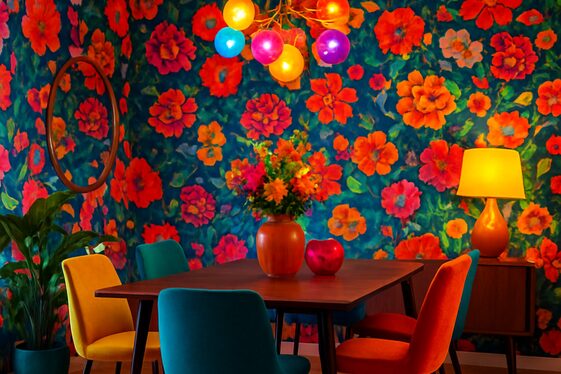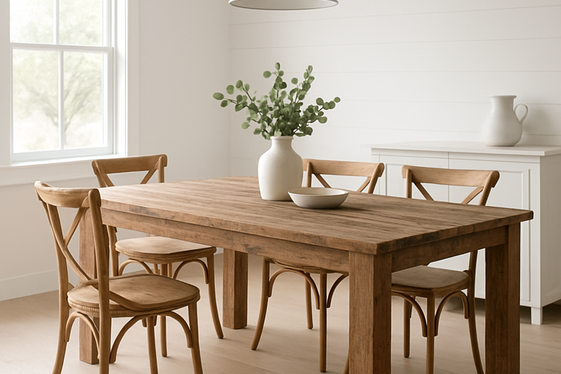
Creating a dining room that feels welcoming and stylish can transform your home into a warm, inviting space where friends and family love to gather. Whether you have a cozy nook or a spacious area, the right design choices give your dining room personality and function.
In 2026, dining rooms aren’t just about the meal—they’re about connection, ambiance, and style that reflects you. From bold colors to clever lighting, the latest trends mix comfort and elegance in fresh ways.
This guide will walk you through 14 standout ideas, each crafted to suit various tastes and spaces, making it easier to create a dining area that’s both beautiful and inviting. Ready to explore? Let’s dive into practical tips, creative decor, and clever arrangements that will elevate your dining experience without breaking the bank or requiring a full remodel.
The goal: a stylish space where every meal feels special and your guests feel right at home.
1. Incorporate Statement Lighting for Instant Impact
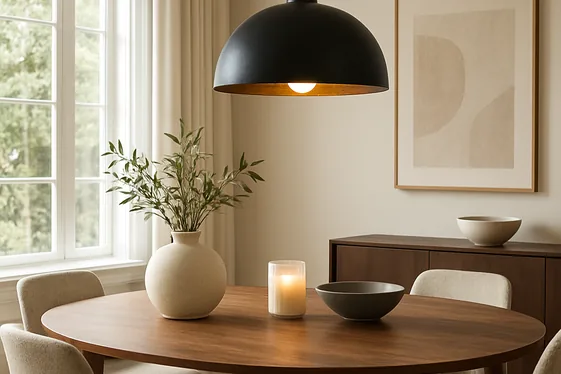
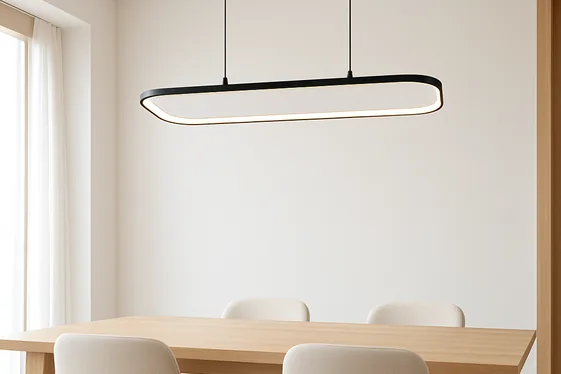
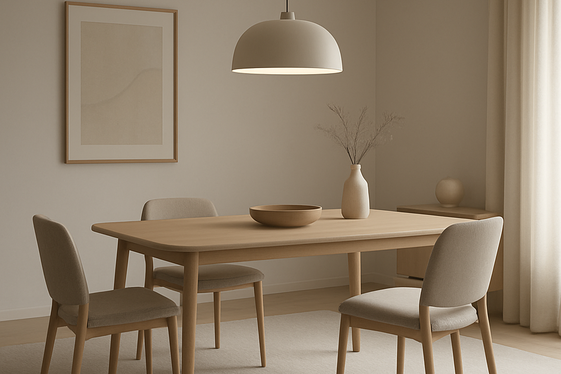
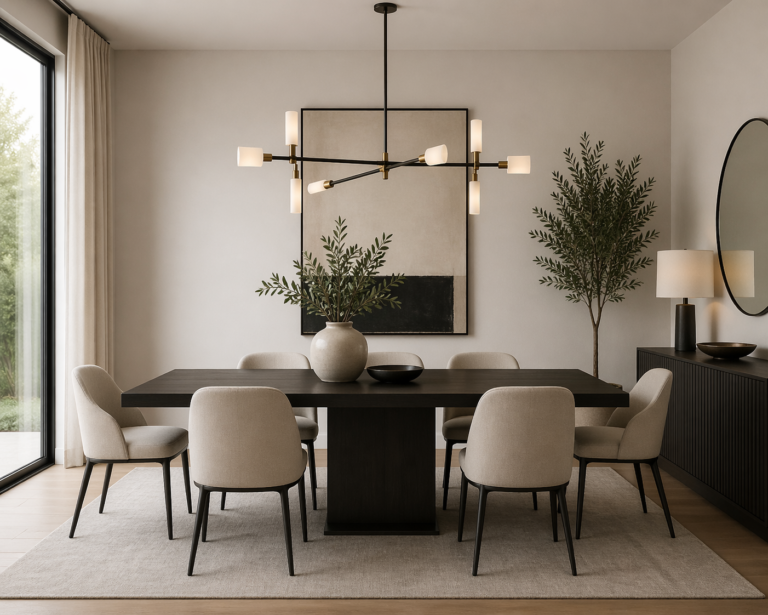
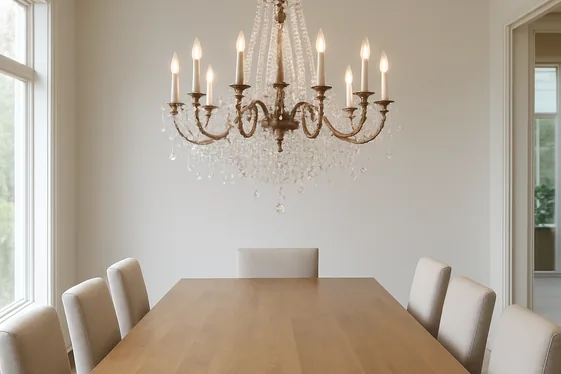
Statement lighting instantly transforms your dining room, setting the mood before the first bite. Opt for a bold chandelier or an oversized pendant right over the table to catch the eye. Copper fixtures offer warmth, while matte black brings a sleek, modern edge. Aim for a fixture about 12-30 inches above the tabletop to allow ample light without obstructing views.
Layer your lighting by pairing the main fixture with dimmable wall sconces or recessed lights for control over ambiance. Consider unusual shapes or materials to elevate your design—think globes, geometric patterns, or even natural textures like rattan or wood. A large fixture works best in rooms with high ceilings or open layouts, while smaller or cluster pendants suit cozier spaces.
Lighting doesn’t just illuminate; it creates an experience that welcomes guests and draws everyone to the table. For the biggest impact, match your fixture style to the room’s personality—rustic, modern, or eclectic—and watch your dining area come alive in a new way.
2. Choose Versatile Seating That Marries Comfort and Style
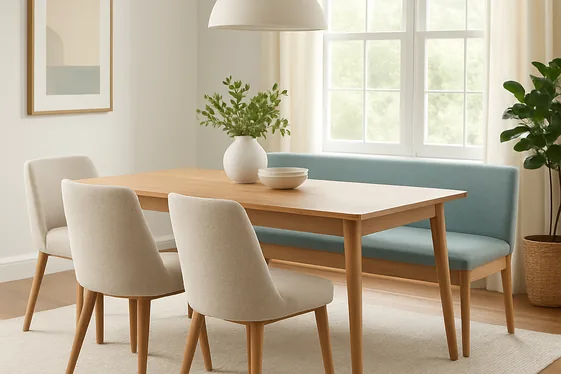
- Opt for seating with cushions or upholstery in easy-to-clean fabrics like performance velvet or leather, blending comfort with practicality. Spill-resistant materials keep your dining area looking fresh after lively family dinners and gatherings.
- Mix and match chair styles around the table for a personalized, inviting look. Pair upholstered chairs on the sides with a cushioned bench or sleek stools at the ends to boost flexibility and style points.
- Choose chairs with rounded edges and supportive backs to encourage hours of comfortable conversation without shoulder aches. Avoid overly rigid designs that make sitting feel like a chore.
- Consider seating with storage space underneath, such as benches with hidden compartments. This adds functionality by tucking away table linens, napkins, or kids’ art supplies within arm’s reach.
- Vintage chairs or well-crafted secondhand finds add character while keeping your dining room budget-friendly and environmentally conscious. Sanding and repainting can tailor these pieces to fit your room’s vibe precisely.
- Upholstered seating in warm hues or soft patterns softens the look of a metal or wooden dining table, making the space feel more welcoming. Position chairs so they invite people in, not block pathways.
- Adjustable-height stools or chairs allow guests of varying heights to feel comfortable, especially in homes with taller dining tables or islands doubling as casual workspaces.
Finding versatile seating that combines comfort with style transforms your dining room into a space where everyone wants to linger. I’ve noticed that when chairs feel as good as they look, guests naturally stay longer, making conversations and meals more memorable.
3. Add a Textured Rug to Anchor Your Dining Space
Quick Tip:
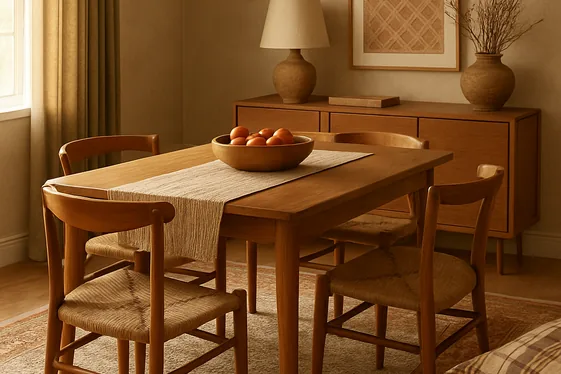
Choose a rug that’s large enough to fit under your dining table and chairs, ideally extending 24 inches beyond each side. Opt for textured materials like wool, jute, or braided fibers to add depth and warmth. Patterned rugs can hide crumbs between meals, and low-pile options make moving chairs easier.
A textured rug acts like the glue that holds your dining zone together. It defines the area visually and adds comfort underfoot, making mealtime more inviting. Go for natural fibers with interesting weaves, which introduce subtle character without overwhelming the space. Remember to pick a rug size that accommodates your chairs when pulled out—around 8×10 feet is a common choice for standard dining sets.
This anchors the furniture and stops the look from feeling like it’s floating in the room. Plus, textured rugs soften ambient noise, keeping dinners cozy and lively.
4. Go Bold with an Accent Wall Color
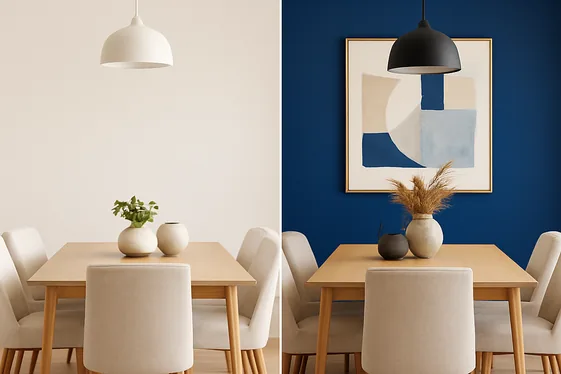
Before: The dining room felt bland and uninspired, with plain walls that washed out the space. Guests would comment on how the room lacked personality and warmth, making family dinners a bit dull. The furniture and décor were there, but the walls didn’t contribute anything memorable.
After: A bold accent wall color transformed the room into a striking area that instantly captured attention. The rich, dramatic shade added depth and energy, creating a cozy yet stylish atmosphere. Now, conversations spark around the dining table in a room that feels vibrant and inviting, making every meal more special.
Choosing an accent wall color takes your dining room from ordinary to extraordinary. Pick a wall that naturally draws the eye—often the one behind the buffet or the head of the table. Deep jewel tones like emerald green, navy blue, or burgundy work wonders, but don’t shy away from bright mustard yellows or burnt oranges if you’re feeling adventurous.
Use high-quality, eggshell or satin finish paint for subtle sheen that’s easy to wipe clean. Keep the other walls neutral to balance the boldness while adding layered textures like a statement mirror or sleek shelves for contrasting interest. The payoff? A dining space that feels personal, stylish, and makes every meal an event.
5. Mix Metals and Materials for Visual Interest
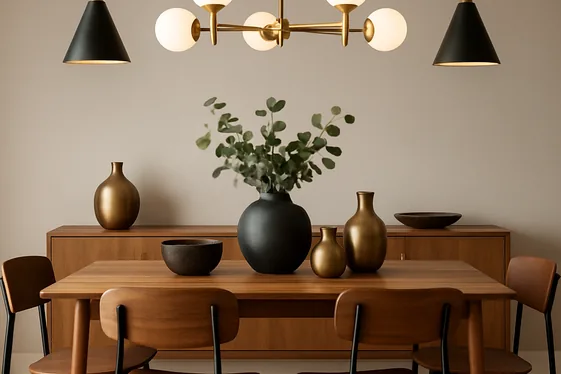
- Start by selecting a main metal finish for your dining room fixtures like chandelier, cabinet handles, or chair legs—think brushed brass, matte black, or polished chrome. Keep this consistent to establish a cohesive base.
- Introduce a secondary metal in smaller accents, such as candleholders, picture frames, or tabletop decor. This contrast creates layers and depth without feeling overwhelming.
- Mix materials by pairing your metals with natural textures—wooden tables, linen napkins, woven baskets, or ceramic vases add warmth and variety. Balance cold metals with softer, tactile elements for comfort.
- Look for unexpected combos, such as a copper lamp with a concrete base, or steel chairs with rattan seats. These blends keep the eye curious and the room dynamic.
- When combining metals, stick to two or three different finishes to avoid visual clutter. Spread them evenly throughout the room so no one metal dominates.
Mixing metals and materials brings energy and character to your dining area. In my experience, layering finishes like matte black frames with gold accents alongside raw wood tables creates a welcoming, modern vibe that invites guests to stay a little longer.
That’s why many experts recommend thoughtfully combining metals and textures—this approach makes your space feel deliberate, collected, and full of personality. Just remember to keep balance in mind, or your design might feel chaotic instead of chic.
6. Use Mirrors to Open Up the Room
| Point | Traditional Wall Art | Mirrors to Open Up the Room |
|---|---|---|
| Effect on Space | Flat, static | Reflects light, creates depth |
| Light Enhancement | Limited | Bounces natural and artificial light |
| Room Perception | Can make room feel smaller | Makes room feel larger and airy |
| Placement Options | Fixed on walls | Versatile—over buffet or opposite windows |
| Style Variety | Paintings, prints | Frameless, ornate, or geometric frames |
| Maintenance | Low-maintenance | Requires occasional cleaning |
| Visual Impact | Focus on color and design | Adds dimension and brightness |
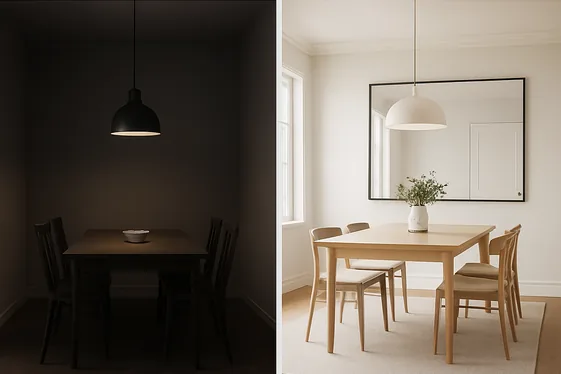
Mirrors act like magic in dining rooms, instantly opening up tight spaces and pushing light into corners that stay dark. Place a large mirror opposite a window or near your dining table to double the light without extra lamps. For style, choose a statement mirror with interesting framing to add character or keep it sleek with a clean edge for modern flair.
Just remember, positioning is key—avoid places where glare might bother diners. With mirrors, your dining room not only feels bigger but also more inviting, perfect for gatherings and everyday meals alike.
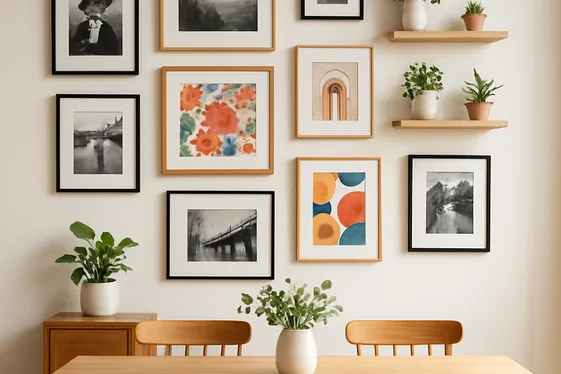
7. Create a Gallery Wall with Personal Touches
Do:
- Arrange your pictures and art pieces in a grid or salon style, balancing different sizes and shapes for visual interest.
- Mix family photos with meaningful artwork, vintage finds, or travel souvenirs to tell your story.
- Use consistent frames or colors for cohesion without losing personality.
- Include small shelves or hooks to display 3D objects like ceramics or plants among the artwork.
- Plan your layout on the floor before hanging to avoid awkward spacing.
Don’t:
- Overcrowd the wall with too many pieces; give each artwork room to breathe.
- Stick only to identical frames or styles; it may look stiff and uninspired.
- Hang art too high—aim for eye level centered around the dining table height (about 57 to 60 inches from the floor).
- Ignore the lighting; poorly lit art loses its charm and impact.
- Forget to anchor larger pieces securely to avoid accidents near the dining area.
Creating a gallery wall with personal touches turns your dining room into a vibrant narrative space. It invites guests to engage with your memories and style, making the room feel lived-in and inviting.
Balancing colors, sizes, and textures while keeping careful placement prevents the wall from feeling cluttered or chaotic. A well-thought-out gallery wall becomes the room’s signature, sparking conversations and warmth during every meal.
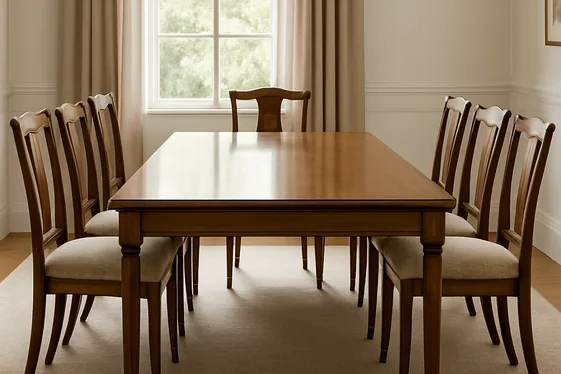
8. Invest in a Timeless Dining Table
Cost: Moderate to High
Time: Varies, typically a few hours to a day
Skill Level: Intermediate
Best For: Long-term investment
Choosing a dining table that withstands time and trends is an investment that pays off. Look for solid wood options like oak, walnut, or maple — these materials age gracefully and can be refinished if scratched or worn. Size matters too; aim for at least 36 inches wide so guests have ample elbow room, and make sure it fits your dining area without overcrowding.
Shapes like rectangular and round offer versatility, while farmhouse or mid-century modern styles often blend seamlessly into different décors. Remember, a timeless table anchors the room, making every meal feel special for years to come.
9. Set Your Table with Thoughtful Details
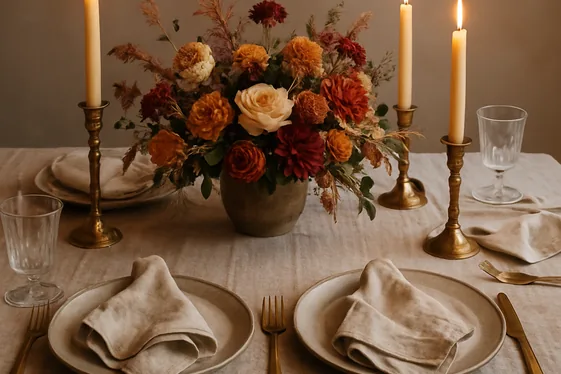
Thoughtful details on your dining table can turn an ordinary meal into a welcoming event. Start with a well-chosen centerpiece—fresh flowers, a small plant, or a unique bowl create a focal point without overwhelming the space. Layer your table with muted linen runners or placemats in soft tones to add texture and warmth.
Simple, reusable cloth napkins folded neatly or held by copper or wooden rings enhance the setting’s charm. I’ve noticed that mixing different glassware styles adds a playful, lived-in feel that invites conversation. Lastly, avoid clutter; keep salt and pepper shakers, or condiment dishes, minimal and placed within easy reach.
In my experience, lighting plays a key role on the dining table. Candles—unscented for dinner—bring intimacy and softness to your meals. Positioning them in clusters of varying heights or inside lantern-style holders creates depth. If you have children or pets, opt for battery-operated candles for safety.
Small personal touches, like hand-written place cards or seasonal accents such as pinecones or dried citrus slices, subtly elevate the guest experience. Don’t forget to maintain enough space for plates and serving dishes, so everyone can dine comfortably without feeling boxed in.
10. Integrate Greenery for Freshness and Life
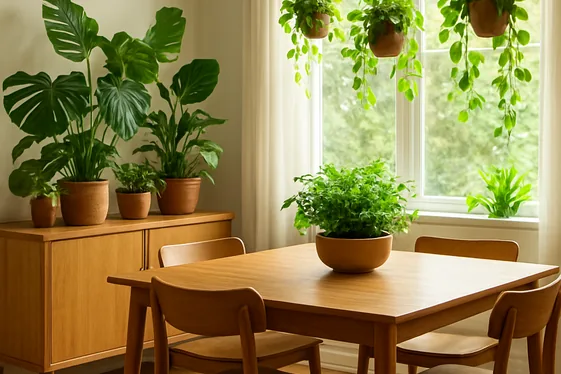
- Place a tall, leafy plant like a fiddle leaf fig or rubber plant in an empty corner to instantly brighten the room and add height. It brings a natural vibe without cluttering the space.
- Use a small collection of succulents or herbs in terra cotta pots along a windowsill or buffet table. They provide pops of green and can even be handy for fresh garnishes when dining.
- Hang a macramé plant holder near the dining area with trailing pothos or string of pearls. This adds texture and greenery at eye level without sacrificing floor space.
- Swap out your usual centerpiece for a low vase filled with fresh flowers or branches like eucalyptus. The seasonal element changes the mood effortlessly and invites nature to the table.
- Incorporate greenery-themed artwork or wallpaper on one wall to highlight your natural accents without needing daily upkeep.
- Mix faux plants with real ones to keep the room lush year-round while minimizing maintenance. Combine a stylish artificial tree with a few real potted plants for balance.
- Choose planters in materials that compliment your dining style—think sleek ceramic for modern, woven baskets for boho, or brushed metal for industrial.
Greens bring life and freshness in a way few other design elements can. They soften sharp edges, add unexpected color, and help your dining room feel alive and inviting. Whether large or small, a well-placed plant or floral touch creates a subtle connection to the outdoors, lifting the whole space.
11. Play with Patterns in Curtains or Upholstery
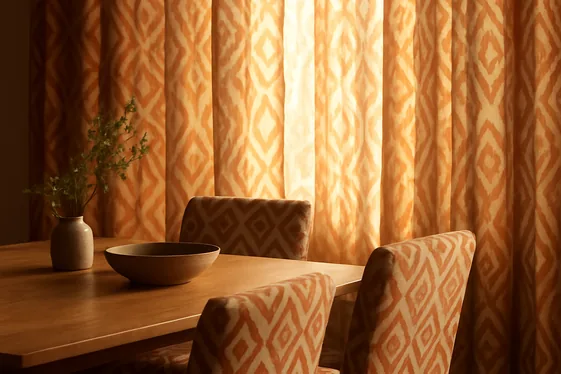
Quick Tip:
Patterns in curtains or upholstery inject life into your dining room. Choose bold geometric or floral prints for a modern look, or go with subtle stripes to keep things classic. Mix patterns carefully by balancing scale and color to avoid overwhelming the space. Remember, one patterned element paired with solid colors creates a balanced, inviting atmosphere.
Playful or elegant patterns in your dining room’s curtains or upholstery can add a fresh vibe without major renovations. If your dining chairs wear a lively floral print, opt for solid-colored curtains in a matching hue to create harmony. On the flip side, patterned curtains can stand out when paired with upholstery in muted tones.
Patterns also hide minor stains and wear, especially practical for busy households. Start with scaled patterns—large prints can feel overwhelming, so choose medium to smaller designs that complement your existing decor. This technique personalizes your dining room and welcomes guests with a stylish yet cozy environment.
12. Opt for Smart Storage Solutions
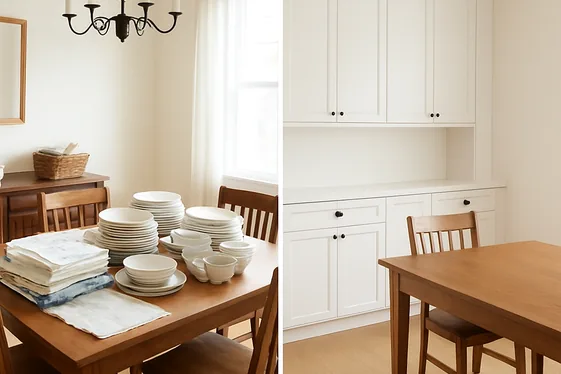
Before: The dining room often feels cluttered, with tables piled high with dishes, extra linens, or random household items. Sometimes, chairs or other furniture crowd the space, making it hard to move around comfortably. There’s nowhere to neatly tuck away dining essentials, leading to a chaotic and uninviting atmosphere.
After: Smart storage solutions transform the dining area into a smooth, welcoming space. Built-in cabinets or sleek sideboards hold everything from tableware to tablecloths, clearing surfaces and floors. Open shelves or stylish baskets can display décor while keeping the room functional and tidy, making each meal feel relaxed and organized.
Integrating smart storage in a dining room changes how the space feels and works everyday. I’ve noticed that homeowners who add multi-functional furniture — like benches with hidden compartments or tall cupboards that don’t overpower the room — get extra surface space without losing style.
Choosing materials that match the room’s vibe ties everything together, while keeping clutter out of sight improves flow and comfort. These small but thoughtful choices make everyday dining more enjoyable and leave guests impressed with a poised, functional space.
13. Layer Lighting for Ambiance and Function
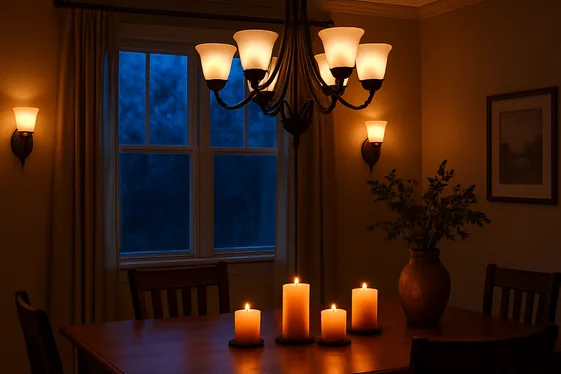
- Start with a central overhead fixture. Choose a chandelier or pendant light that fits the dining table size, ideally 12-30 inches wide. Hang it about 30-36 inches above the table for balanced brightness.
- Add dimmer switches to control the main light’s intensity. This lets you shift from bright mealtime illumination to softer, moodier tones for evening dinners or gatherings.
- Incorporate wall sconces or picture lights to highlight art or architectural features. Position them about 60-66 inches from the floor to cast flattering light without glare.
- Place table lamps or candles on sideboards or buffets. This subtle lighting adds warmth and helps create layers of light without overpowering the space.
- Use floor lamps in darker corners if your dining area shares an open floor plan. Aim for lamps with adjustable heads so you can direct light where it’s needed most.
Layered lighting isn’t just about looks—it’s about function and feeling. When you mix different types of lights, the room gains depth, ensuring no area feels dull or overly bright. This approach lets you dial up light for lively meals or dial it down for intimate dinners, setting the right mood every time.
Plus, highlighting art and architectural details makes your dining space feel curated and thoughtfully designed, inviting everyone to gather around in comfort.
14. Define the Space with Open Shelving or Room Dividers
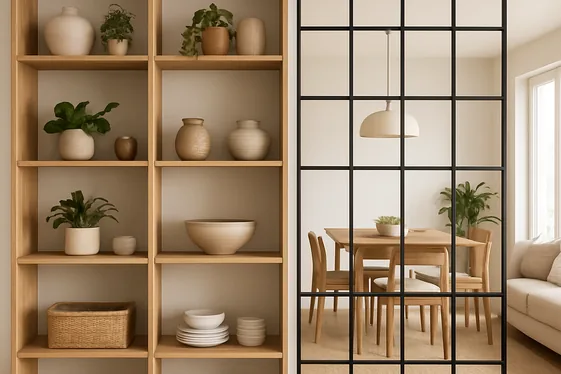
| Point | Open Shelving | Room Dividers |
|---|---|---|
| Visual Impact | Displays decor and dishes openly | Creates a defined boundary |
| Space Functionality | Enhances storage and style | Provides privacy and separation |
| Installation | Wall-mounted or standing units | Freestanding panels or screens |
| Light Flow | Allows natural light to pass through | Can block or filter light |
| Flexibility | Easy to rearrange or add items | Can be folded or moved |
| Maintenance | Needs regular dusting | May require cleaning or fabric care |
| Design Style | Works well with modern or rustic | Suits eclectic or minimalist |
Open shelving brings warmth and personality by showing off your favorite plates, plants, or cookbooks right in the dining area, doubling as practical storage without closing off the space. Room dividers, in contrast, act as visual walls that subtly separate your dining nook from adjacent rooms, adding privacy in open floor plans.
Choosing between the two depends on whether you want to highlight style through display or create a cozier, more intimate dining atmosphere. Be mindful that dividers might alter natural light, so pick lighter materials or designs if brightness is a priority.
Conclusion
From bold lighting to clever storage, these 14 dining room ideas help you craft a space that balances style and welcome effortlessly. Selecting statement pieces, layering textures, and playing with color all build atmosphere, while functional touches like versatile seating and smart storage keep your dining room real and livable.
Whether you desire cozy intimacy or open sophistication, mixing these strategies lets you shape a room that fits your unique lifestyle. Remember that thoughtful details, like greenery or personal gallery walls, make your dining space feel truly yours.
Take your time trying out ideas that resonate, and embrace what creates warmth and comfort for you and your loved ones. Your perfect dining room is about more than looks—it’s about making lasting memories over meals in a space where everyone feels at home.

Sarah Parker is a creative content writer with experience in crafting engaging, reader-friendly, and SEO-optimized content. She specializes in writing blog posts, website copy, social media captions, and digital marketing content across niches including lifestyle, home decor, business, and technology. Her writing style focuses on clarity, audience engagement, and search engine visibility.