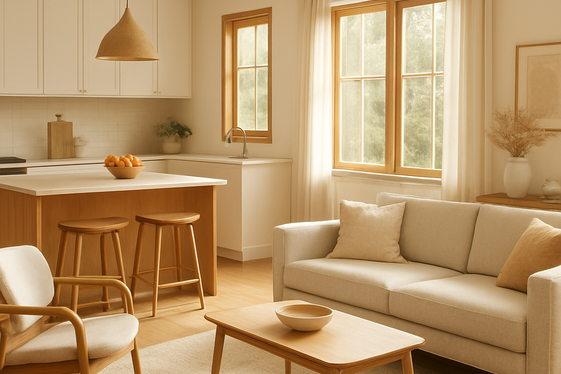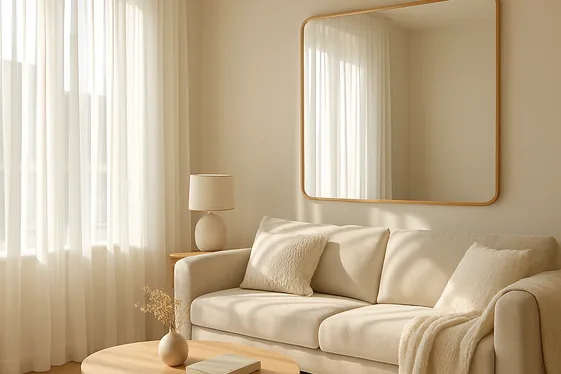
African-themed decor is making a powerful statement in living rooms across the USA, embracing bold colors, rich textures, and distinctive patterns that tell captivating stories. Whether you crave a calm refuge full of earthy tones or a vibrant space bursting with cultural flair, incorporating African-inspired elements can instantly elevate your home environment.
This guide brings together 17 dynamic ideas to inspire your next makeover, blending tradition with modern style for a look that’s as fascinating as it is inviting.
Many homeowners are discovering that African-themed living rooms don’t require extensive renovations—small, thoughtful details can make a big impact. Ready to transform your space into a stunning cultural showcase?
Let’s explore creative ways to bring bold style and heart to your living room with art, textiles, furniture, and lighting inspired by Africa’s diverse heritage.
1. Rich African Textile Accents to Energize Your Space
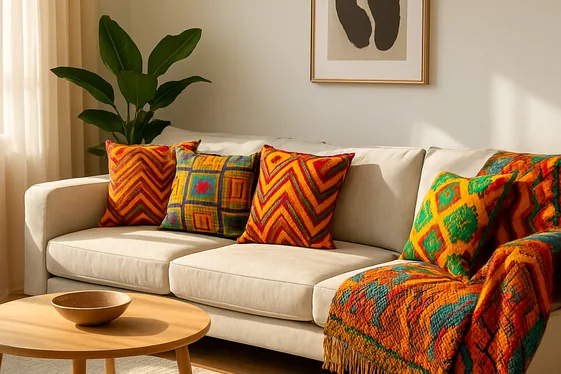
Brighten your living room with a splash of rich African textiles that carry stories and culture in every thread. Think bold mud cloth throws folded over a neutral sofa or vibrant kente cloth pillows perched on your favorite armchair. These textiles aren’t just fabrics; they create conversation pieces that transform your space with earthy reds, deep indigos, and warm ochres.
Look for authentic handwoven or hand-dyed pieces from West Africa to add texture and history to your room without overwhelming your current style. Mix patterns carefully by pairing smaller textile accents like cushions or table runners with larger statement pieces such as wall hangings or poufs.
Layering these fabrics softens modern furniture and introduces warmth and visual intrigue. For a subtle touch, try framing a piece of hand-stitched fabric as wall art.
2. Incorporating Handcrafted Masks and Sculptures for Depth
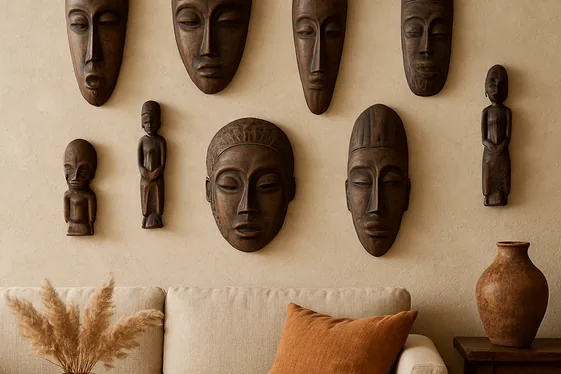
- Handcrafted African masks bring a unique story to your living space, often carved from wood or molded from clay, with intricate patterns that spark conversation. Display them on a focal wall or lean a larger one atop a fireplace mantel for instant impact.
- Group smaller masks or sculptures in clusters to create visual interest without overwhelming the room. Use varying heights and depths to keep the arrangement dynamic and inviting.
- Incorporate metal or woven sculptures crafted with traditional techniques for texture contrast. These pieces add another tactile dimension, inviting touch and curiosity.
- Position sculptures near natural light or under focused lighting to highlight their details and craftsmanship. Adjustable spotlights or wall sconces work well for this purpose.
- Balance bold, earthy tones of handcrafted pieces with neutral or muted backgrounds to let the artwork shine. Walls in shades like soft cream or warm taupe complement these accents perfectly.
I’ve noticed that placing handcrafted African masks and sculptures thoughtfully creates depth and personality without crowding the room. These pieces tell stories through their textures and details, which enrich the space in subtle, meaningful ways that mass-produced décor can’t match.
3. Using Bold Tribal Prints on Walls and Furniture
Quick Tip:
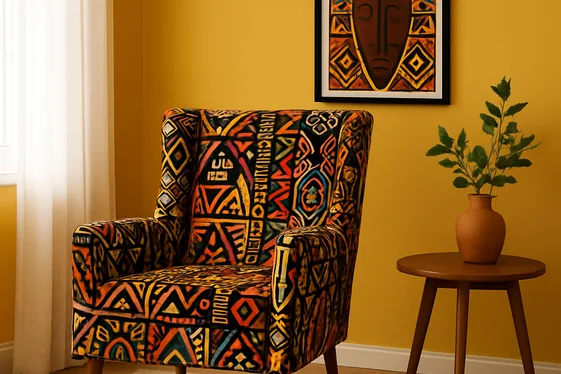
Bold tribal prints bring instant character to your living room. Pick a prominent wall and cover it with a large-scale print wallpaper or a hand-painted mural for maximum impact. On furniture, look for cushions, ottomans, or accent chairs upholstered in vivid tribal patterns. Keep the rest of the room’s color scheme neutral to let these prints shine without overwhelming the space.
Bold tribal prints infuse energy and cultural warmth into your living room. Consider a feature wall adorned with a rich, geometric design inspired by African textiles. Pair this with an accent chair covered in a matching or complementary print. This dual approach balances visual interest with comfort, creating a cozy yet lively ambiance.
4. Mixing Warm Earth Tones with Vibrant Jewel Hues
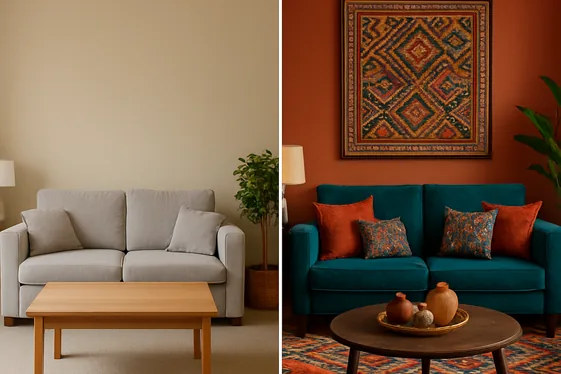
Before: The living room felt flat and uninspired, dominated by beige and taupe walls with little contrast or energy. Earth tones alone created a cozy vibe but lacked that unexpected pop to truly captivate the eye. The space didn’t quite reflect the vibrant spirit often associated with African-inspired decor.
After: Warm earth tones now form a grounded base, while vibrant jewel hues like emerald green, sapphire blue, and ruby red provide striking accents. Bold cushions, colorful rugs, and art pieces bring the space to life without overwhelming it. The mix creates an inviting, energetic atmosphere that celebrates rich cultural colors beautifully.
Start by painting one wall in a clay or burnt sienna shade. Layer on jewel-toned throw pillows and an area rug with deep blues or greens. Use metallic accents like brass lamps or picture frames to add shimmer and tie the palette together.
5. Creating a Cozy Reading Nook with African-Inspired Fabrics
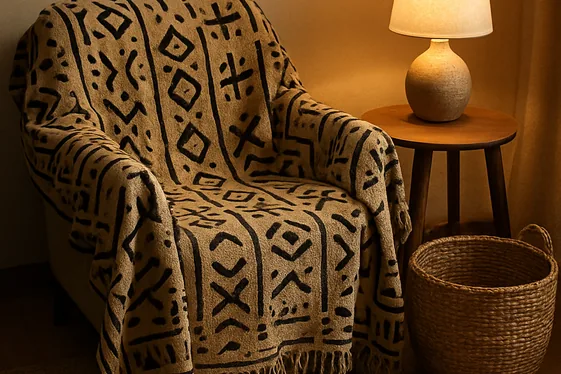
- Select bold African-inspired fabrics like kente, mud cloth, or Ankara in vibrant colors and authentic patterns. Pick pieces large enough for cushions, throws, or curtains to anchor your nook’s look.
- Choose a comfortable chair or floor cushion and recover it with your chosen fabric. If sewing isn’t your thing, look for pre-made covers or hire a local upholsterer to add a handmade touch.
- Layer with pillows in contrasting but complementary prints to add texture and visual interest. Mix smaller geometric shapes with large tribal motifs to keep the space dynamic without overwhelming it.
- Add a soft throw made from a woven fabric, draping it casually over your seating. Natural fibers like cotton or wool add coziness and bring out the organic feel of African textiles.
- Incorporate wooden or woven baskets nearby to store books or magazines, letting your fabrics take center stage. This adds practical storage while maintaining the rustic charm of an African reading retreat.
In my experience, combining varied patterns and textures in a small reading nook creates a rich, inviting vibe that welcomes both relaxation and creativity. African fabrics bring warmth and character, making your cozy corner feel truly unique and inspiring.
6. Blending Natural Materials Like Wood and Rattan
| Point | Wood Alone | Blending Wood and Rattan |
|---|---|---|
| Texture | Smooth or polished surfaces | Adds woven, tactile interest |
| Visual Warmth | Warm but sometimes flat | Creates layered warmth |
| Weight | Heavier feel | Lighter, airier look |
| Durability | Robust and long-lasting | Durable yet flexible designs |
| Style Flexibility | Can feel traditional or rustic | Combines modern and natural |
| Maintenance | Easy to clean but can scratch | Requires gentle dusting |
| Versatility | Limited to solid pieces | Offers mix of solid & woven forms |
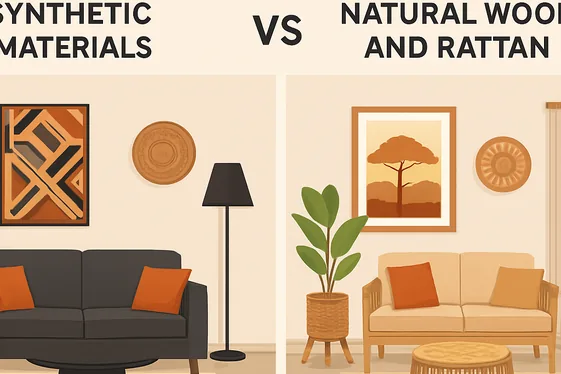
Wood gives solid structure and timeless appeal, but combining it with rattan introduces captivating texture and lightness. For example, a wooden coffee table with rattan drawer fronts blends durability with visual intrigue. Layering these materials helps create a cozy, earthy vibe common in African design, balanced for modern living rooms. Mixing up textures encourages a more inviting, lived-in feel without overwhelming the space.
Quick Tip:
Pick rattan accents that match the wood tone for a harmonious look without clashing.
7. Lighting Your Living Room with Ethnic Pendant Lamps
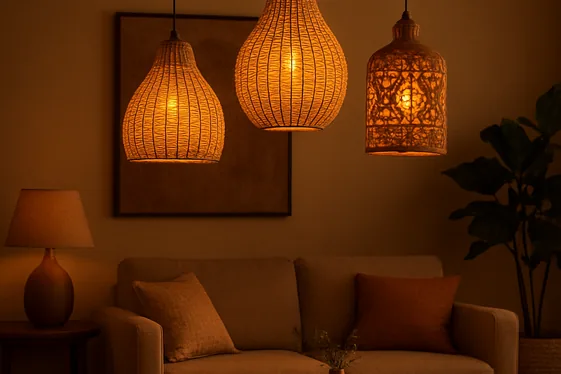
Do:
- Select pendant lamps made from natural materials like woven rattan, bamboo, or metal with tribal cutouts to channel an authentic African vibe.
- Hang lamps at varied heights to create visual interest and mimic the organic feel of African markets or town squares.
- Choose warm-toned bulbs or Edison-style lights to enhance the cozy, inviting atmosphere typical of African interiors.
- Position pendants over seating areas or coffee tables to serve as focal points that draw the eye and define the space.
- Combine a single large pendant with smaller complementary ones to balance boldness and subtlety in your living room lighting.
Don’t:
- Don’t overcrowd the ceiling with too many pendants; it can clutter the space and distract from your other decor elements.
- Avoid harsh, white, or fluorescent lights that drain the warmth out of your ethnic-inspired setup.
- Don’t install pendant lamps too low, as they might interfere with movement or sightlines in the room.
- Stay away from overly modern or minimalist lamp designs that clash with African textures and colors.
- Refrain from neglecting dimmer switches, which can help adjust the mood according to time and setting.
African pendant lamps combine artistry and function, casting soft shadows that enliven your living room. Layer different styles and heights to add depth while respecting room size and ceiling height.
8. Displaying Traditional African Pottery as Art Pieces
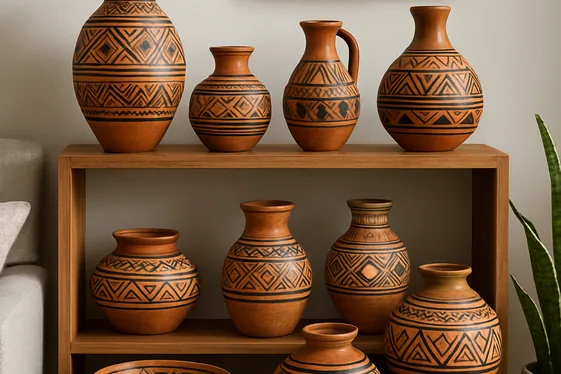
Cost: Moderate
Time: A few hours
Skill Level: Beginner
Best For: Display shelves, coffee tables
Africans have crafted pottery for centuries, and these unique pieces carry history and culture in every curve. Displaying traditional African pottery as art pieces in your living room adds a textured, earthy vibe that can anchor your space. In my experience, grouping a few pots of different shapes and sizes on a low shelf or clustered coffee table instantly sparks interest and conversation.
Look for pieces made from terracotta or clay with hand-painted patterns or striking natural finishes. Avoid overcrowding—letting each piece shine on its own promotes balance and highlights craftsmanship.
9. Designing a Statement Wall with Mud Cloth or Kuba Cloth
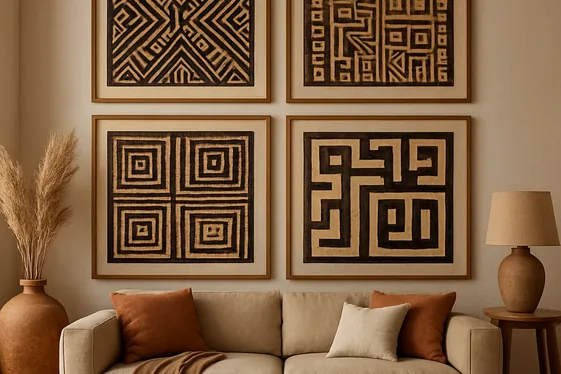
Think about choosing a large-scale mud cloth or Kuba cloth panel to cover a single wall in your living room for instant character. These handwoven textiles from West Africa bring raw texture and deep earthy tones, like rust, black, and cream, into your space. Hang a 6-foot by 8-foot piece using a sleek rod or discreet clips, ensuring it stays smooth and flat.
Pair the statement wall with minimalist furniture and neutral cushions, so the intricate patterns don’t get lost or cause visual chaos. Another option is to frame mud cloth or Kuba cloth squares in a grid formation for a modern gallery effect.
Arrange about 6 to 9 frames spaced evenly, all at eye level for maximum impact. This approach works well if you want to keep the room flexible; switching out pieces is easy and refreshes the look.
10. Layering Rugs with African Patterns for Texture and Color
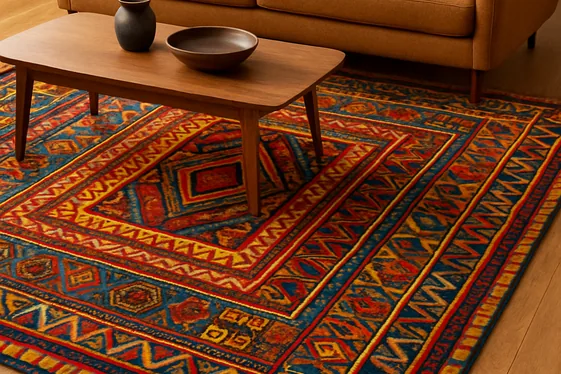
- Choose rugs with distinct African patterns like geometric shapes, mud cloth prints, or vibrant kente designs to add visual interest. Layering two or three rugs can bring warmth and depth to your living room floor.
- Start with a large, neutral-toned rug as your base, then layer smaller, bold patterned rugs on top for contrast. This balances color while keeping the look cohesive.
- Mix textures such as flat-weave jute or sisal with plush, handwoven wool rugs to create a tactile experience underfoot. Let the textures tell a story alongside the patterns.
- Don’t hesitate to overlap rugs with varying shapes and sizes; a rectangular one beneath a round rug adds unexpected charm. Position rugs to highlight seating areas or beneath your coffee table for a hot spot.
- Rotate or switch out layered rugs seasonally for fresh looks and to protect high-traffic areas. It also lets you explore different regional African designs and colors over time.
- Keep the colors cohesive by picking rugs that share a key color, like earth tones or bold reds and oranges, to unify the space. This avoids visual clutter while maximizing style.
Layering African patterned rugs is a clever way to infuse your living room with culture and character. By combining size, texture, and carefully chosen patterns, you create a dynamic, welcoming space that reflects authentic style and vibrant color.
11. Choosing Coffee Tables Made from Exotic African Woods
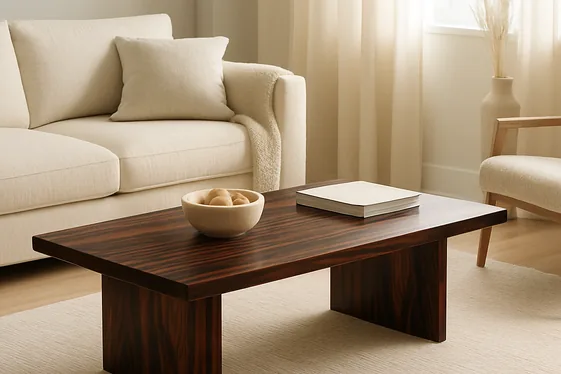
Quick Tip:
Select coffee tables crafted from exotic African woods like ebony, mahogany, or zebrawood for an instant statement piece. These woods offer rich colors and unique grain patterns, making each table truly one-of-a-kind. Look for a finish that highlights the natural texture without overpowering the wood’s character. Position your table centrally to let it anchor your living room’s African vibe.
Exotic African wood coffee tables bring a bold natural elegance that anchors an African-themed living room. Their durability means they stand up to daily use while demanding attention with deep hues and striking grains. Pair your table with neutral-toned sofas or vibrant tribal cushions to balance colors, allowing the wood to shine as the centerpiece.
12. Accessorizing with Beaded Cushions and Throws
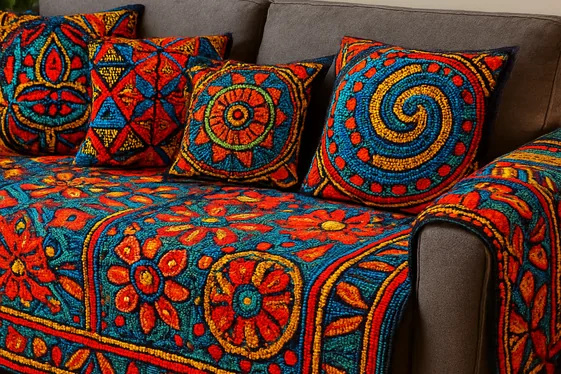
Before: Living rooms often feel plain and uninspired with basic cushions and throws that lack cultural character or texture. The space can come off as flat, missing warmth and a clear design statement. Without distinctive accents, the overall atmosphere might feel generic rather than boldly African-themed.
After: Introducing beaded cushions and richly textured throws instantly brings depth and vibrancy to the space. The intricate beadwork and earthy colors inject authenticity, telling a story through every stitch. These accessories create a tactile experience and add eye-catching details, making your living room feel lively and thoughtfully styled.
In my experience, beaded cushions and throws not only elevate the look but also invite guests to engage with the room on a sensory level. Start with cushions around 18×18 inches featuring traditional African patterns, and layer in throws made from handwoven fabrics for contrast. Placing these on a neutral sofa emphasizes their artistry without overwhelming the room.
13. Setting Up a Gallery Wall of African Photography
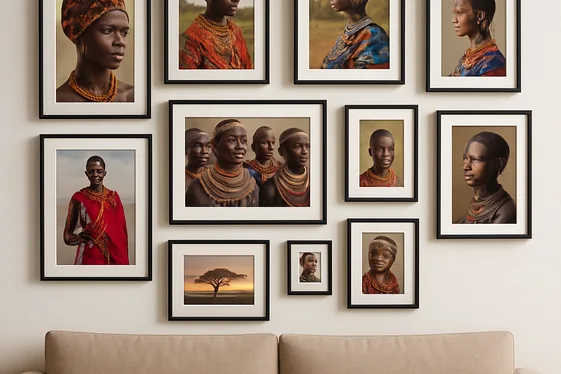
- Select a variety of African photography prints that speak to you—consider portraits, landscapes, and tribal scenes. Aim for 5 to 8 pieces in different sizes to create depth and interest.
- Lay your prints on the floor to arrange their order and spacing before hanging. Play with mixing larger and smaller frames to avoid a rigid layout. Take a photo of the arrangement once you’re happy with it.
- Choose frames that complement your living room’s vibe; natural wood or matte black frames work well with African-themed decor. Keep all frames consistent in style for a cohesive wall display.
- Measure and mark a central starting point on your wall to hang your first frame at eye level—around 57 to 60 inches from the floor. Then expand outward, ensuring equal spacing of about 2 to 3 inches between frames.
- Use picture hanging hooks or wall anchors to secure your frames safely. Step back often to check alignment and adjust as needed.
A gallery wall of African photography becomes a compelling storytelling feature in your living room. It brings cultural richness and personal flair, sparking conversations and brightening your space. Stick to balance and layering, and this bold display will pull the room together seamlessly.
Quick Tip:
Print photos with a subtle matte finish to minimize glare under living room lighting.
Before: Blank, uninteresting wall. After: A dynamic, culture-rich focal point that commands attention.
14. Arranging Indoor Plants to Enhance African Vibes
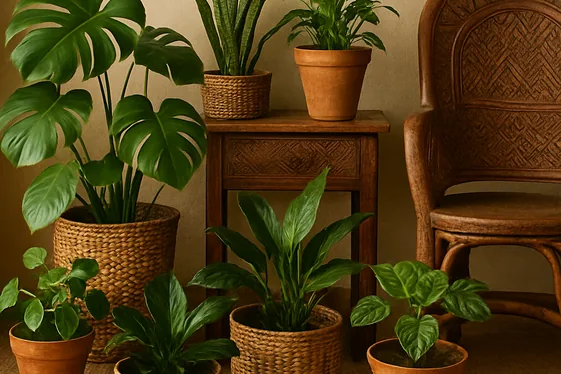
| Point | Traditional Indoor Plant Placement | African Vibes Plant Arrangement |
|---|---|---|
| Plant Types | Common houseplants like ferns and pothos | African natives like snake plants, aloes, and succulents |
| Pot Materials | Plain plastic or ceramic pots | Handwoven baskets, clay pots with tribal patterns |
| Location | Random corners or shelves | Grouped near windows or focal walls for natural light and emphasis |
| Arrangement Style | Single pots spread out | Layered heights with tall and short plants combined |
| Additional Decor | Minimal, just the plants | Add wooden or stone African sculptures nearby |
| Color Palette | Green foliage only | Earth tones and rust accents coordinating with pots and textiles |
| Maintenance | Water as needed, but often overlooked | Scheduled watering plus misting for humid-loving species |
African-inspired plant arrangements bring life and warmth by mixing native African greenery with bold containers and natural accents. Positioning plants in layered groups near sunlight mimics an outdoor safari feel, connecting your living room to nature.
15. Crafting a Bold Accent Chair with Mud Cloth Upholstery
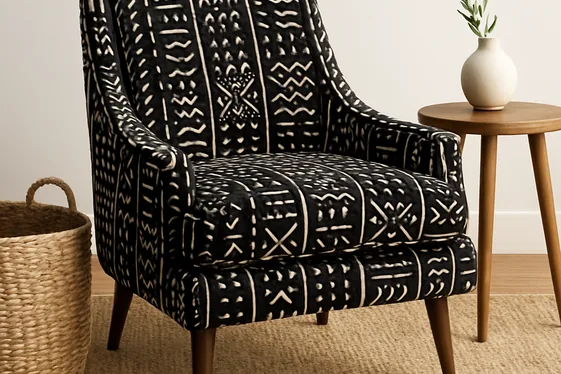
Do:
- Select a sturdy wooden frame with clean lines to complement the bold mud cloth upholstery.
- Measure your space carefully; an accent chair around 30 inches wide works well in most living rooms.
- Choose mud cloth patterns with rich earth tones and geometric shapes to capture authentic African style.
- Stuff cushions with high-density foam for comfort without losing the chair’s shape over time.
- Position the chair near a natural light source to highlight its textured fabric and unique design.
Don’t:
- Use mud cloth upholstery on high-traffic pieces that risk getting easily stained or damaged.
- Overload the room with several patterned furniture pieces; let the chair stand out as a statement.
- Ignore scale—a bulky chair can overwhelm a small living room, making it feel cramped.
- Pick vibrant colors that clash with your existing palette; aim for harmony with warm, earthy hues.
Creating a bold accent chair with mud cloth upholstery adds tactile richness and cultural depth to your living room. I’ve noticed that when placed next to neutral-toned sofas or natural wood elements, the chair’s unique patterns become an instant conversation starter while maintaining balance.
16. Incorporating Woven Baskets for Storage and Style
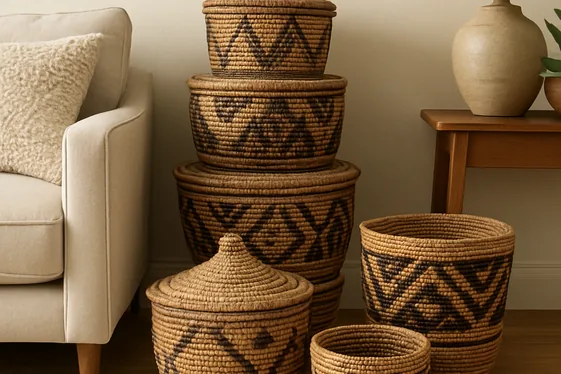
Cost: Low to moderate
Time: 1-2 hours to organize
Skill Level: Beginner
Works In: Shelving, corners, coffee tables
Woven baskets bring natural texture and bold African vibes into your living room while keeping clutter at bay. Choose baskets in varied sizes to stash everything from magazines to blankets. Placing tall baskets near your sofa serves as instant decor with hidden storage. For open shelving, smaller baskets group loose items neatly, adding warmth and an earthy feel. Opt for styles with tribal patterns or neutral weaves to keep that authentic yet modern aesthetic.
Quick Tip:
Layer baskets—stack a smaller one inside a larger basket for double-duty style and space-saving storage.
Before: Cluttered magazine piles and loose remotes scattered on tables. After: Stylish woven baskets holding essentials, creating a clean space with a cultural touch.
17. Adding Depth Using African-Inspired Wall Hangings
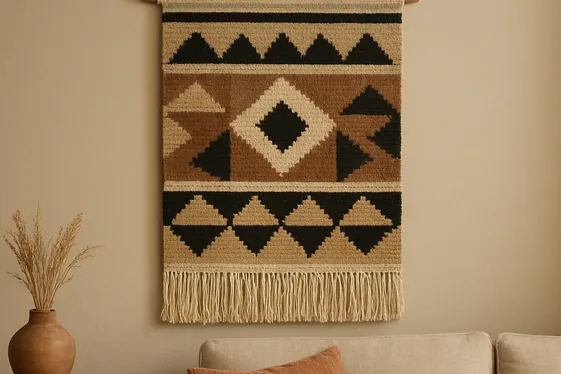
African-inspired wall hangings bring instant texture and story to your living room. Opt for handwoven textiles like mud cloth or kente cloth in warm earth tones and rich patterns to create a focal point on a large wall. Position one oversized piece above the sofa or arrange several smaller ones in a gallery-style layout for visual interest.
Natural fibers like raffia or sisal introduce organic vibes, while wooden or metal tribal masks add dimension and cultural flair. Layer these wall hangings with framed tribal art or prints to deepen the narrative and enrich the space.
Keep the frames simple and matte to let fabrics and textures shine. Remember to consider scale—hits of pattern won’t overwhelm if balanced by neutral paint or minimalist furniture. Quick Tip: Mount wall hangings at eye level and use soft, spotlighting to emphasize their intricate details.
Conclusion
Bold African-themed decor injects personality, warmth, and cultural richness into your living room, offering numerous creative avenues to explore—from textiles and furniture to lighting and art. Whether you’re layering vibrant tribal prints or incorporating natural materials like rattan and African wood, each idea adds a dynamic layer to your space.
Handcrafted accents, wall hangings, and pottery bring authentic storylines that invite connection and conversation. With options ranging from statement walls to cozy reading nooks, you can tailor your approach to fit your lifestyle and style preferences. Don’t be afraid to mix earth tones with jewel colors or combine traditional crafts with modern elements.
The key is balancing boldness with harmony for a living room that feels as comfortable as it looks stunning. The right touches will make your home a unique celebration of African culture and bold style, helping you create a space that truly represents you.

Sarah Parker is a creative content writer with experience in crafting engaging, reader-friendly, and SEO-optimized content. She specializes in writing blog posts, website copy, social media captions, and digital marketing content across niches including lifestyle, home decor, business, and technology. Her writing style focuses on clarity, audience engagement, and search engine visibility.