
Creating a cozy, stylish home coffee bar can completely transform your morning routine and add flair to your living space. Whether you have a compact kitchen nook or a dedicated corner, designing a setup that mimics your favorite café’s vibe is easier than you think.
From choosing the right furniture and accessories to organizing your coffee essentials, these ideas help you capture that warm, inviting atmosphere that makes every sip feel special. Homeowners across the USA are embracing the comfort and convenience of brewing barista-quality drinks without stepping outside.
This guide walks you through 17 creative and practical coffee bar inspirations, blending aesthetics with function. Expect tips on everything from lighting and storage to DIY hacks and tech upgrades.
By tapping into these trends, you’ll elevate your space and enjoy coffee moments that feel both luxurious and personal. Ready to bring that café charm home? Grab your favorite mug—your perfect coffee corner is just a few ideas away.
1. Maximize Small Spaces with Compact Coffee Stations
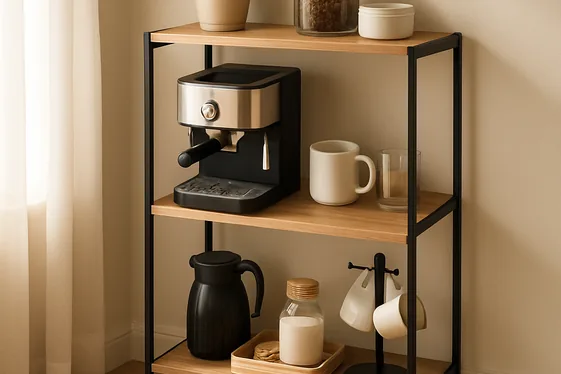
Small kitchens or apartments don’t have to restrict your coffee dreams. Compact coffee stations fit perfectly into tiny corners or narrow countertops, allowing efficient use of limited space. Opt for multi-tiered shelves or a rolling cart that can be moved as needed, making the best use of vertical and horizontal space without clutter. For example, a slim bar cart under a window can hold your espresso machine, mugs, and coffee beans conveniently.
Keeping it compact means streamlining what you keep at your coffee station. Limit appliances to essentials and use wall-mounted racks for cups and utensils. In my experience, having a dedicated but small coffee nook helps me stay organized and makes my mornings smoother.
This setup is perfect for renters or anyone wanting a functional, space-saving coffee bar that feels intentional, stylish, and practical. This keeps the idea practical, clear, and easy for readers to use right away. It also adds a little more helpful detail without making the writing sound stiff.
2. Organize Coffee Accessories with Stylish Storage Solutions
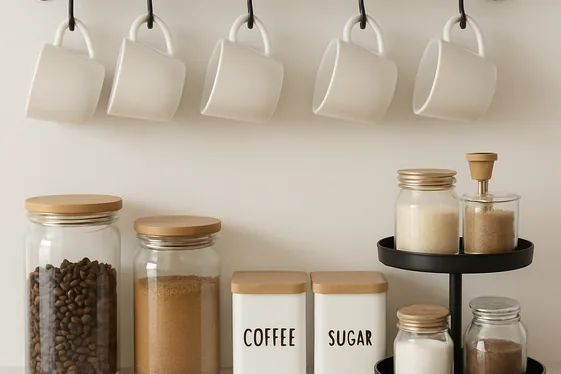
- Utilize glass jars with labels for coffee beans, sugar, and tea bags to keep everything visible and fresh.
- Incorporate shallow drawers for spoons, stirrers, and filters to avoid countertop clutter.
- Hang mugs on hooks or racks to save shelf space and add decor interest.
- Use tiered trays or lazy Susans to organize syrups and condiments in easy-to-reach spots.
- Add baskets or bins below your counter for extra storage of napkins and extra pods.
In my experience, creating designated zones within your coffee bar for each accessory type prevents clutter and speeds up your coffee routine. Stylish storage doesn’t just look good—it keeps your space efficient and inviting so you can focus on enjoying your drink, not digging through drawers.
This keeps the idea practical, clear, and easy for readers to use right away. It also adds a little more helpful detail without making the writing sound stiff.
3. Create a Rustic Coffee Bar Using Natural Materials
Quick Tip:
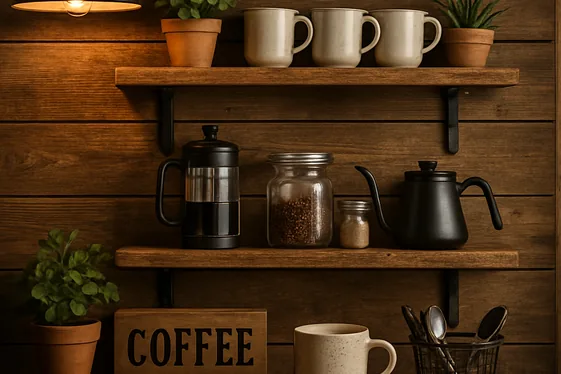
Incorporate wood, stone, and metal elements to craft a warm, rustic coffee bar. Choose a reclaimed wood table or shelf as your base and complement it with stone coasters and metal accents like copper canisters or vintage coffee grinders.
Rustic styles bring nature right into your home coffee nook, offering a cozy, lived-in feel. Natural textures add depth and character while remaining highly functional. Adding a few plants or a burlap coffee bean sack as decor can enhance the authentic, earthy vibe. This design works great paired with soft lighting and handmade ceramic mugs to create a café-style space you’ll actually want to linger in every morning.
This keeps the idea practical, clear, and easy for readers to use right away. It also adds a little more helpful detail without making the writing sound stiff.
4. Turn a Kitchen Island into a Coffee Haven
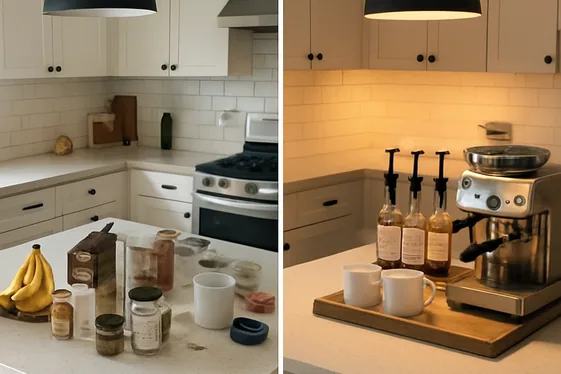
Before: Kitchen islands often serve as prep or dining surfaces without being personalized, losing potential for a specialty station. Coffee-making materials might get mixed into general clutter, leading to a less inviting experience.
After: Giving your kitchen island a coffee bar makeover centralizes your brewing zone where you naturally gather. Adding a dedicated espresso machine, organized coffee cups, and a small tray for syrups makes it your own go-to spot for caffeine fixes.
A kitchen island coffee bar doubles as a focal point and practical workspace. It invites friends to chat while you prepare drinks and makes your coffee routine more interactive. Properly zoned with utensils and storage, this idea leverages existing kitchen features for a seamless, stylish upgrade.
This keeps the idea practical, clear, and easy for readers to use right away. It also adds a little more helpful detail without making the writing sound stiff.
5. Build a Minimalist Coffee Bar for Sleek Modern Homes
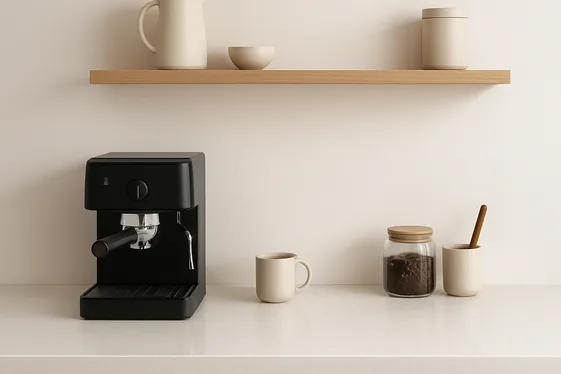
- Choose a simple countertop material like quartz or concrete for a clean, durable surface.
- Select a single high-quality coffee machine that matches your style, like a black matte espresso maker.
- Use minimal accessories, avoiding clutter; keep only the essentials in matching containers.
- Install a floating shelf for cups and beans to maintain openness and lightness.
- Opt for neutral color palettes such as white, gray, or soft earth tones to keep the look calm.
I’ve noticed minimalist coffee bars give a serene, sophisticated vibe and often encourage users to appreciate the quality of the coffee itself rather than overloading the space. Staying pared back creates a spa-like, modern coffee ritual suitable for small or large spaces that prize simplicity.
This keeps the idea practical, clear, and easy for readers to use right away. It also adds a little more helpful detail without making the writing sound stiff.
6. Choose Between Open Shelving and Cabinets for Coffee Bars
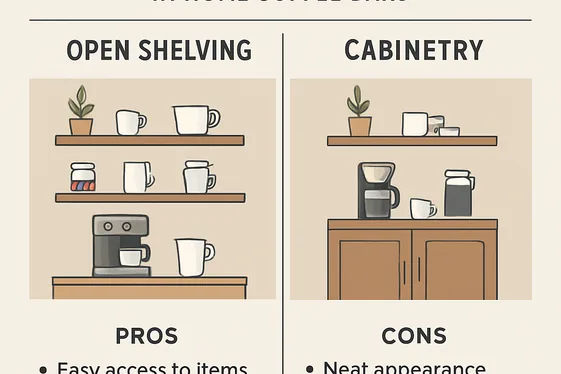
| Point | Open Shelving | Cabinets |
|---|---|---|
| Accessibility | Easy to see and grab everything | Hidden, keeping things neat |
| Dust Buildup | More likely to collect dust | Protects items from dust |
| Aesthetic | Airy, casual, and stylish | Sleek, clean, and organized |
| Storage Capacity | Limited by shelf size | More enclosed and versatile |
| Maintenance | Requires frequent cleaning | Easier to keep clutter away |
| Visual Impact | Displays personality and decor | Hides imperfections |
Choosing between open shelves or cabinets really depends on your style and maintenance preferences. Personally, I like open shelves for displaying favorite mugs or unique coffee jars, but cabinets keep my space tidier when in a busy household. Consider traffic patterns and how often you want to clean before deciding.
This keeps the idea practical, clear, and easy for readers to use right away. It also adds a little more helpful detail without making the writing sound stiff.
7. Do and Don’t Tips for Setting Up Your Coffee Corner
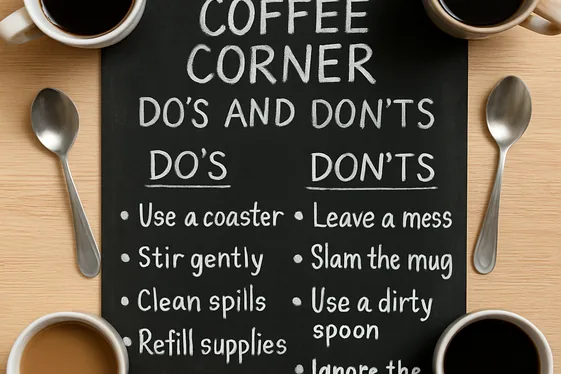
Do:
- Do designate a specific spot for your coffee station to centralize supplies and appliances.
- Do invest in good storage solutions to keep everything organized and accessible.
- Do personalize with items that inspire you, like photos or a quirky mug.
- Do keep cleaning supplies nearby to quickly wipe spills or stain marks.
- Do rotate seasonal decor or spices to keep your bar fresh and inviting.
Don’t:
- Don’t overcrowd the counter with too many gadgets; less is more.
- Don’t mix coffee supplies with unrelated kitchen clutter, which slows you down.
- Don’t ignore lighting—dull spaces feel uninviting.
- Don’t neglect regular machine maintenance; it affects drink quality.
- Don’t forget to include a trash or compost bin near the station.
Being mindful about what to embrace and avoid sets the foundation for a coffee corner you’ll love every day. This keeps the idea practical, clear, and easy for readers to use right away. It also adds a little more helpful detail without making the writing sound stiff.
8. Essential Coffee Tools Every Home Barista Needs
Cost: Moderate
Time to Learn: 1-2 weeks
Skill Level: Beginner to Intermediate
Best For: Daily Brewing
Result: Elevated Coffee Experience
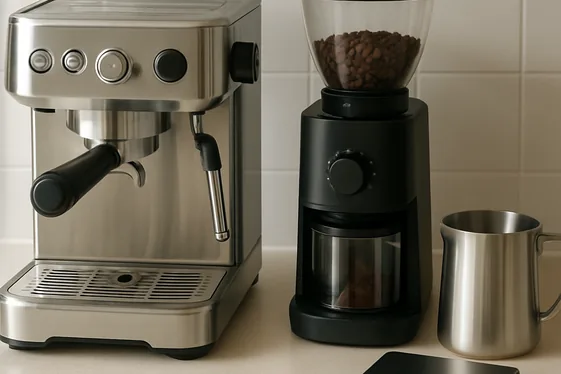
Espresso machines, grinders, milk frothers, and scales top the list of tools that home baristas find essential. A burr grinder ensures fresh, evenly ground beans, which is key for flavor. A quality espresso machine lets you craft cafe-quality espresso and lattes. Milk frothers add creamy textures for cappuccinos or macchiatos.
A digital scale helps maintain consistent coffee-to-water ratios. I’ve seen this work well in many cases where investing in proper tools improved taste and brewing confidence overnight. No matter your budget, the right combination of equipment will transform how you enjoy coffee at home and impress any visiting guests.
This keeps the idea practical, clear, and easy for readers to use right away. It also adds a little more helpful detail without making the writing sound stiff.
9. Incorporate Greenery to Refresh Your Coffee Space
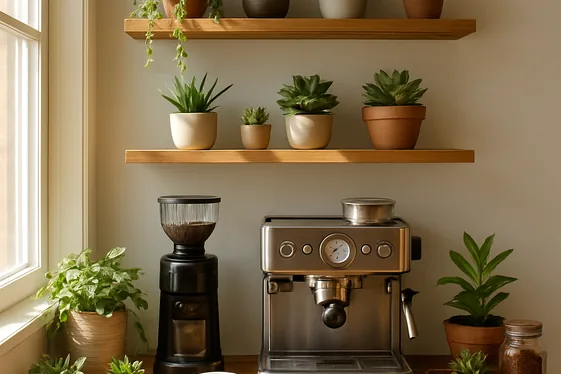
Bringing plants into your coffee bar area livens up the entire vibe, making it feel fresh and organic. Succulents or small potted herbs like mint add color and often pleasant aromas that complement coffee scents. Consider trailing vines on shelves or near windows for a relaxed, natural aesthetic. Healthy greenery can boost your mood and create a peaceful atmosphere, encouraging you to savor your coffee moments.
Try different pot styles and heights to create dimensional interest without overwhelming the space. Plants that require low light and little water are best for indoor coffee bars, preventing upkeep stress. This subtle upgrade adds a sense of calm, breaking up hard surfaces and making your coffee station feel more like a part of your home’s personality.
This keeps the idea practical, clear, and easy for readers to use right away. It also adds a little more helpful detail without making the writing sound stiff.
10. Use Lighting to Set a Cozy Coffee Shop Mood
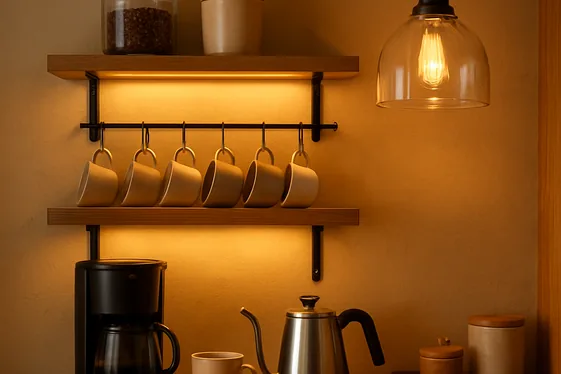
- Install warm LED strip lights beneath shelves to illuminate the coffee prep area softly.
- Choose pendant lights with exposed bulbs or vintage fixtures for a café-style aesthetic.
- Add a small table lamp with a warm glow if your coffee bar is on a side counter or cart.
- Use dimmer switches to adjust lighting based on day or night mood changes.
- Incorporate natural light where possible; position your coffee bar near a window.
In my experience, lighting affects how inviting your coffee zone feels. Soft, layered light makes the space cozy and enhances brewing enjoyment. Experimenting with warm hues over cold whites helps replicate that comfortable café feel many crave at home.
This keeps the idea practical, clear, and easy for readers to use right away. It also adds a little more helpful detail without making the writing sound stiff.
11. Add Personal Touches to Make the Coffee Bar Your Own
Quick Tip:
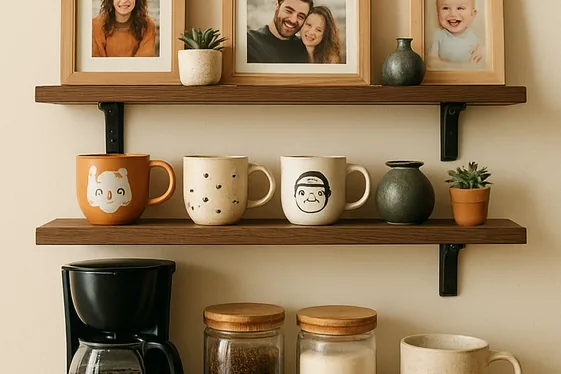
Display your favorite coffee mugs, photos, or small art pieces near your coffee bar. Use unique containers for beans or homemade syrup bottles to reflect your personality and tastes.
Personalization turns a standard coffee corner into a cherished morning ritual spot. Whether that means a quirky sign, scented candles, or a chalkboard menu listing your favorite drinks, these elements create emotional connection. Adding a few handcrafted or vintage items makes the space uniquely yours, inviting daily enjoyment and guest admiration.
Plus, it’s fun seeing your style shine in the details. This keeps the idea practical, clear, and easy for readers to use right away. It also adds a little more helpful detail without making the writing sound stiff.
12. Transform a Closet into a Hidden Coffee Bar
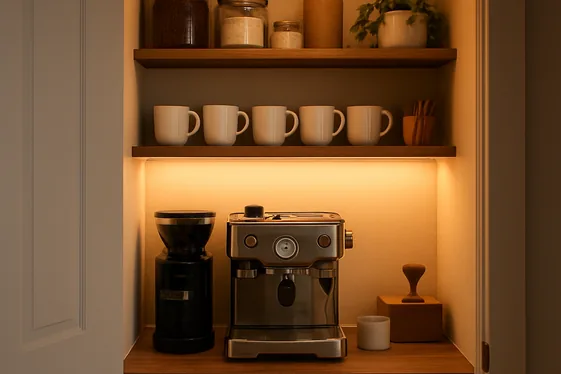
Before: Closets often get overlooked or are purely for storage, missing their potential to serve a functional role. Coffee supplies scattered around the kitchen can create mess and reduce efficiency.
After: Converting a spare closet into a coffee bar offers a dedicated, enchanting retreat where you can brew quietly and stash all accessories out of sight. Adding shelves, lighting, and a countertop makes it a mini café nook that you can close after use.
I’ve noticed this option suits homes with limited space or open-concept areas where you want to keep coffee smells and clutter contained. A closet coffee bar adds surprise and charm, turning hidden space into a delightful morning spot.
This keeps the idea practical, clear, and easy for readers to use right away. It also adds a little more helpful detail without making the writing sound stiff.
13. Step-by-Step Guide to Installing a Wall-Mounted Coffee Bar
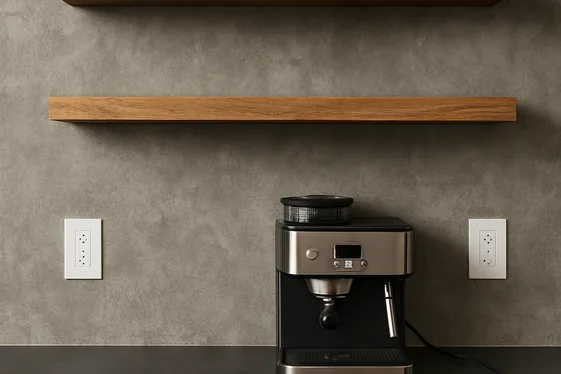
- Select a sturdy wall space near plumbing or electrical outlets for convenience.
- Measure your space and choose a floating shelf or wall-mounted cabinet that fits.
- Install a durable countertop surface onto the mounting bracket or shelf supports.
- Mount floating shelves above for storage of cups, beans, and decor items.
- Add under-shelf hooks for mugs or utensils to maximize vertical space.
- Lay down a power strip or outlet extender for your coffee machines.
- Tweak lighting nearby to highlight your coffee bar and create ambiance.
This installation frees up counter space and modernizes your setup. Many homeowners find it transforms a blank wall into a chic, functional coffee corner with just a weekend’s work. This keeps the idea practical, clear, and easy for readers to use right away. It also adds a little more helpful detail without making the writing sound stiff.
14. Compare Portable Coffee Stations vs. Permanent Setups
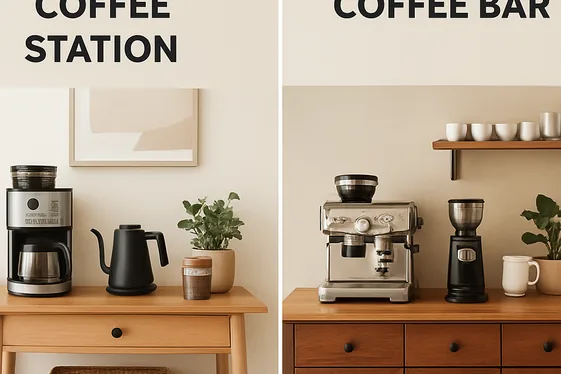
| Point | Portable Coffee Station | Permanent Coffee Bar |
|---|---|---|
| Mobility | Easy to move and store | Fixed location |
| Space Requirements | Compact, fits small spaces | Needs designated area |
| Setup Time | Quick setup | Installation or renovation time |
| Customization | Limited to what fits in cart | Fully tailored designs |
| Maintenance | Simple, portable upkeep | Can integrate cleaning systems |
| Cost | Generally lower inicial cost | Higher investment |
Portable stations suit renters or those experimenting with coffee setups, while permanent bars provide a dedicated, integrated space. My experience shows portability is excellent for flexibility, but permanent bars impress guests and offer more convenience long-term.
This keeps the idea practical, clear, and easy for readers to use right away. It also adds a little more helpful detail without making the writing sound stiff.
15. Do and Don’t for Maintaining a Clean Coffee Bar
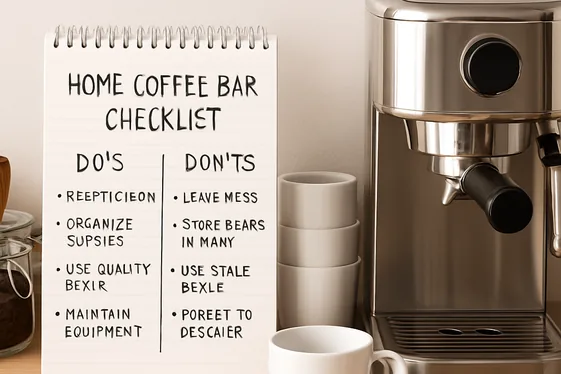
Do:
- Do clean spills immediately to prevent stains and sticky surfaces.
- Do schedule regular deep cleans for your coffee machine and grinder.
- Do wipe down counters and shelves daily for dust and coffee grounds.
- Do replace filters and water reservoirs as recommended by manufacturers.
- Do store beans and powders in airtight containers to prevent moisture buildup.
Don’t:
- Don’t ignore the drip tray under your espresso machine—it collects residue.
- Don’t let grounds accumulate in grinders; it affects taste quality.
- Don’t use harsh chemicals that can damage machine parts or surfaces.
- Don’t keep old coffee beans beyond their freshness window as taste suffers.
- Don’t overlook emptying trash and compost containers near your coffee area.
I’ve seen this work well in many cases where a little extra care made coffee taste better and station upkeep faster. Cleanliness is a secret ingredient to a long-lasting, hassle-free coffee nook. This keeps the idea practical, clear, and easy for readers to use right away. It also adds a little more helpful detail without making the writing sound stiff.
16. Quick Facts About Upgrading Coffee Machines at Home
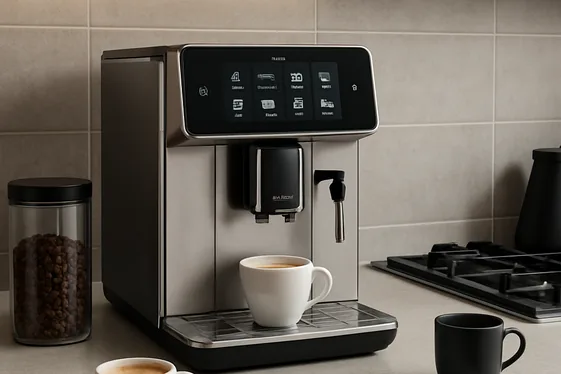
Cost: $100 to $2,000+ | Time to Use Effectively: 1 Week to 1 Month | Skill Level: Beginner to Advanced | Result: Significantly Improved Coffee Quality Upgrading your coffee machine can dramatically change your coffee experience, from a basic drip brewer to a high-end espresso machine. Higher-end models often include automatic grinders and programmable options for personalized drinks.
In my experience, investing in a mid-range machine gains you convenience and flavor without overwhelming complexity. Whether you want a fast morning brew or an elaborate latte, an upgrade adds versatility and fun to everyday coffee.
Don’t rush—research brands and read user reviews to find the perfect fit for your space and budget. This keeps the idea practical, clear, and easy for readers to use right away. It also adds a little more helpful detail without making the writing sound stiff.
17. Create a Vintage Coffee Bar with Retro Decor
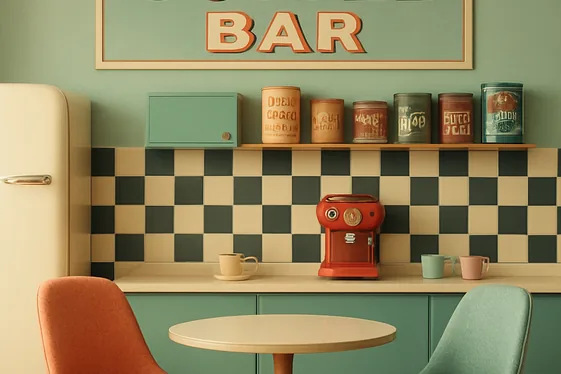
Retro vibes bring nostalgia and charm to your coffee bar by blending pastel colors, classic signage, and quirky collectibles. Incorporate mid-century furniture or a tiled backsplash in checkerboard or geometric patterns to set the tone. Vintage coffee cans, old-fashioned manual grinders, and quirky mugs add character and conversation starters.
This theme pairs well with soft, warm lighting and retro typography elements on prints or wall art. If you love a touch of whimsy and a throwback feel, a vintage coffee bar brings personality and comfort to your home mornings, making brewing feel like a special ritual.
This keeps the idea practical, clear, and easy for readers to use right away. It also adds a little more helpful detail without making the writing sound stiff.
Conclusion
Designing a coffee bar at home that feels like your favorite café is all about balancing style, function, and your personal coffee habits. Small spaces thrive with compact stations, while larger kitchens may shine with kitchen island setups or wall-mounted bars. Storage choices like open shelving versus cabinets impact both form and maintenance, while thoughtful lighting and greenery help set a relaxing mood.
Investing in essential tools and maintaining cleanliness ensures your brews taste as good as they look. Whether you prefer rustic charm, minimalist elegance, or vintage nostalgia, these ideas offer concrete steps to fit your lifestyle and home.
Take your favorite concepts from this guide and tailor them into your ultimate coffee space—your perfect café moments await, right in your own house.

Sarah Parker is a creative content writer with experience in crafting engaging, reader-friendly, and SEO-optimized content. She specializes in writing blog posts, website copy, social media captions, and digital marketing content across niches including lifestyle, home decor, business, and technology. Her writing style focuses on clarity, audience engagement, and search engine visibility.