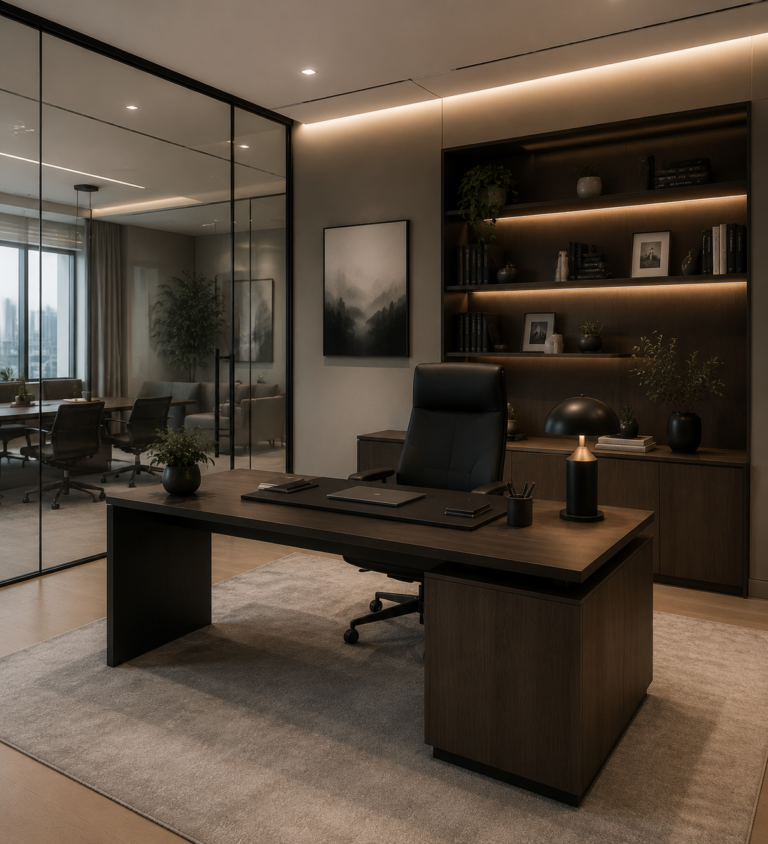
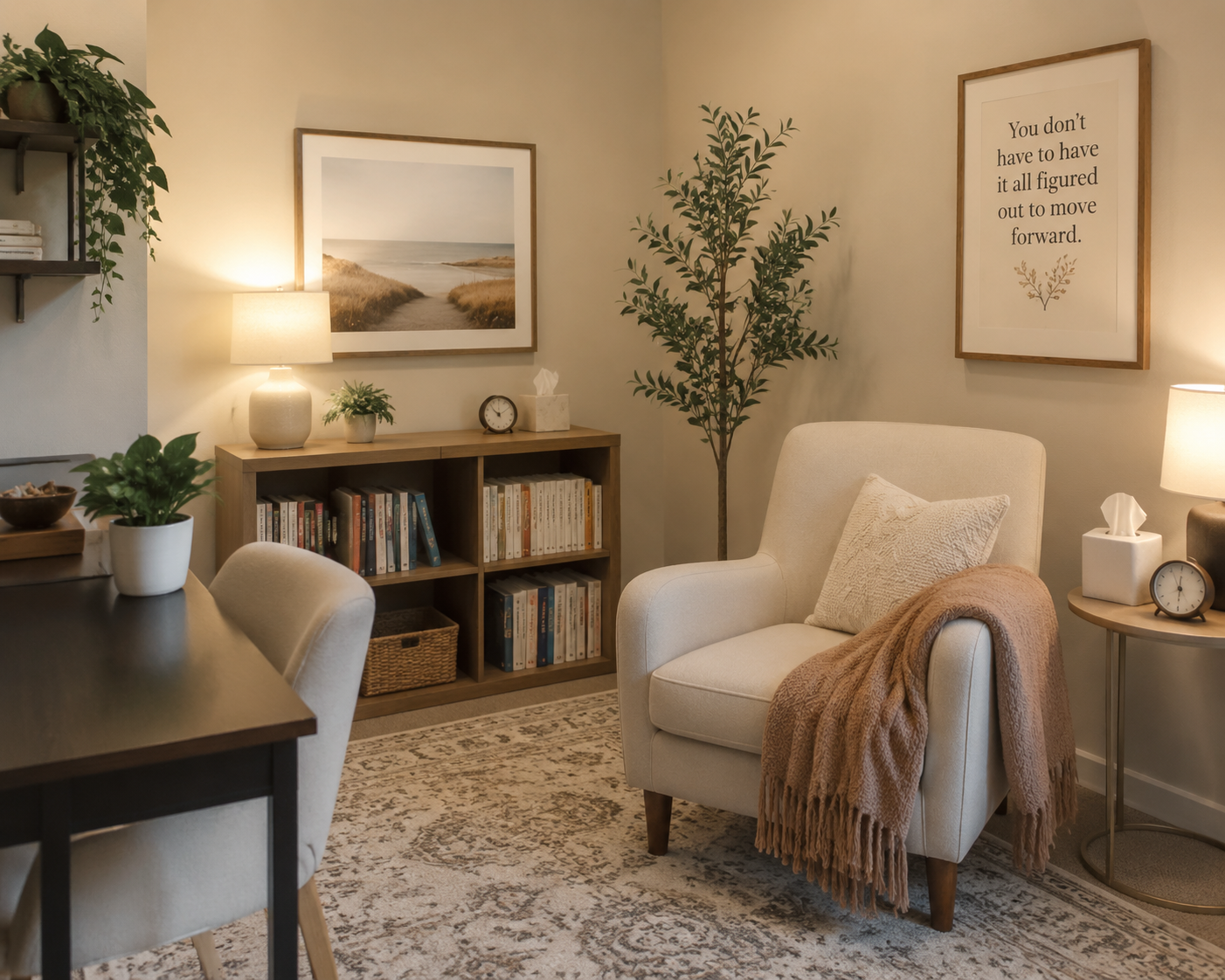
23 Small Therapy Office Decor Ideas
Designing a small therapy office requires a careful balance of comfort, privacy, and visual calm. The space should feel safe, welcoming, and uncluttered while still maintaining a professional tone.
Soft colors, warm lighting, and intentional decor choices help create an environment where clients feel at ease. Even compact spaces can feel open and soothing when designed thoughtfully, making every session more comfortable and focused.
1. Soft Neutral Color Palette
A soft neutral color palette creates a calming environment that helps clients feel safe and relaxed during therapy sessions.
Shades like beige, cream, and light grey reflect natural and artificial light gently, making a small office appear more open and breathable.
This approach reduces visual stress and creates a peaceful atmosphere where clients can focus on conversations without distractions or overwhelming design elements.
Layering neutral tones through furniture, rugs, and curtains adds depth without disrupting the calm aesthetic. Incorporating natural materials like wood and linen enhances warmth while maintaining simplicity.
Keeping the palette consistent ensures visual harmony, allowing the room to feel cohesive and intentional. This setup creates a balanced environment that supports emotional comfort, clarity, and a sense of safety for both therapist and client.
2. Cozy Armchair Seating Setup
Comfortable armchairs are essential in a therapy office, as they directly impact how relaxed and supported clients feel during sessions.
Soft upholstery and ergonomic design encourage a natural sitting posture, helping clients stay comfortable for extended conversations. In smaller offices, choosing compact yet plush seating ensures functionality without making the space feel crowded or restrictive.
Select armchairs in neutral tones to maintain a calm and cohesive design. Pair them with a small side table for convenience and subtle decor.
Adding a soft cushion or throw enhances comfort without cluttering the space. This setup creates an inviting seating arrangement that supports open communication while maintaining a professional and thoughtfully designed environment.
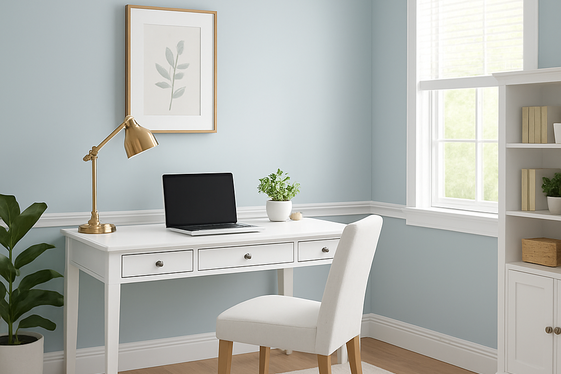
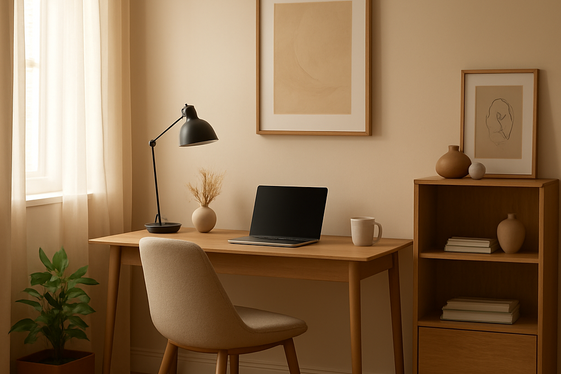
3. Minimalist Desk Corner
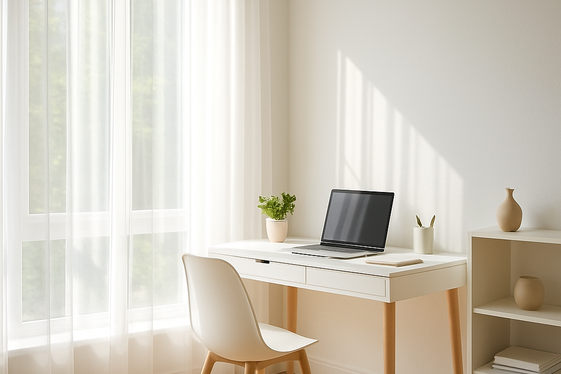
A minimalist desk corner helps maintain organization while preventing a small therapy office from feeling overcrowded.
Keeping the workspace clean and uncluttered allows the room to feel more open and less distracting. This is especially important in therapy settings where visual simplicity supports mental clarity and focus during sessions.
Choose a compact desk with clean lines and store items out of sight whenever possible. Add only essential tools and a few decorative elements for warmth. Position the desk near natural light to enhance brightness.
This setup ensures the workspace remains functional, professional, and visually calming without interfering with the overall therapeutic environment.
4. Soft Lighting with Lamps
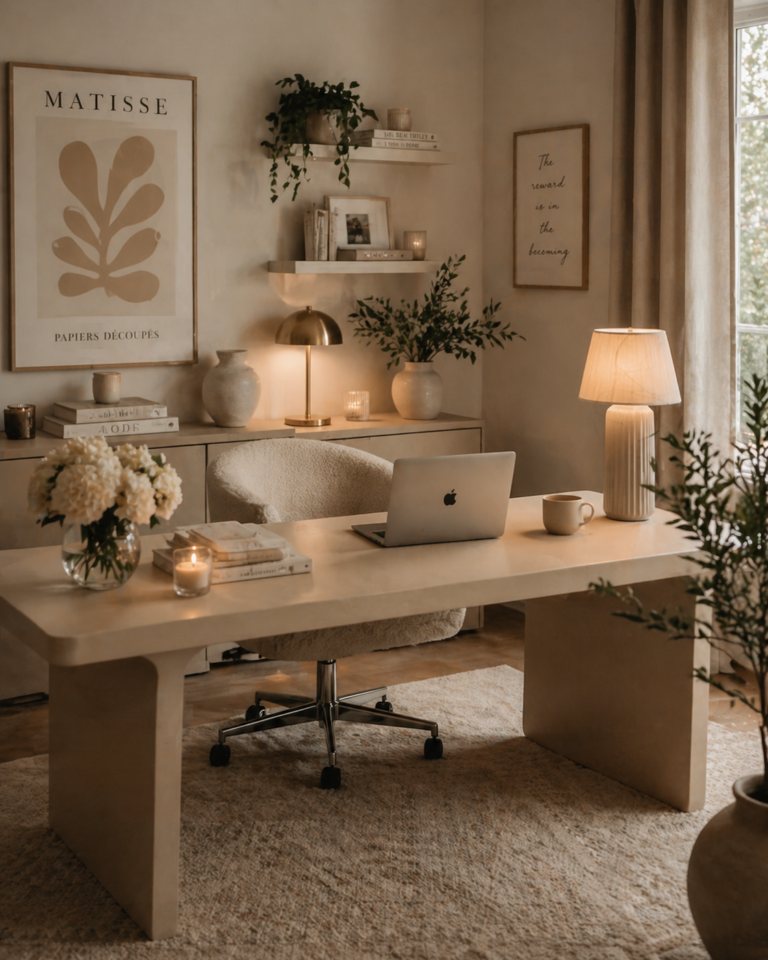
Soft lighting plays a critical role in shaping the emotional tone of a therapy office. Harsh overhead lights can feel clinical and uncomfortable, while warm lamps create a more inviting and relaxed atmosphere. This type of lighting helps clients feel safe and supported, making it easier for them to open up during sessions.
Use a combination of table lamps and floor lamps to create layered lighting. Choose warm-toned bulbs to produce a gentle glow that enhances comfort. Position lights strategically to avoid glare or shadows. This setup creates a soothing environment that promotes calmness and emotional ease throughout each session.
5. Indoor Plants for Calmness
Indoor plants introduce a natural element that enhances calmness and emotional well-being in a therapy office. Greenery has a soothing effect, helping reduce stress and create a more welcoming environment. In small spaces, even a few plants can make the room feel more alive and connected to nature.
Place plants near windows or in corners to balance the layout without cluttering the space. Choose low-maintenance varieties to keep upkeep simple. Pair greenery with neutral decor for harmony. This setup creates a refreshing atmosphere that supports relaxation and positive energy.
6. Neutral Textured Rugs
A neutral textured rug adds warmth and comfort to a small therapy office while helping define the seating area. It softens the flooring and reduces noise, creating a quieter and more intimate environment for conversations. This element is especially useful in compact spaces where comfort and acoustics play an important role.
Choose rugs in soft tones like beige, cream, or light grey to maintain a calming aesthetic. Opt for subtle textures instead of bold patterns to avoid distraction. This setup creates a grounded and cozy atmosphere that enhances both visual appeal and emotional comfort.
7. Wall Art with Calming Themes
Calming wall art helps establish a peaceful tone in a therapy office, supporting emotional relaxation and focus. Nature-inspired prints, abstract designs, or soft color compositions can create a gentle visual presence without overwhelming the space. This is important in smaller rooms where too much detail can feel cluttered.
Select artwork that aligns with the overall neutral palette to maintain harmony. Limit the number of pieces to avoid visual overload. Position them at eye level for balance. This setup creates a soothing backdrop that complements the therapeutic environment.
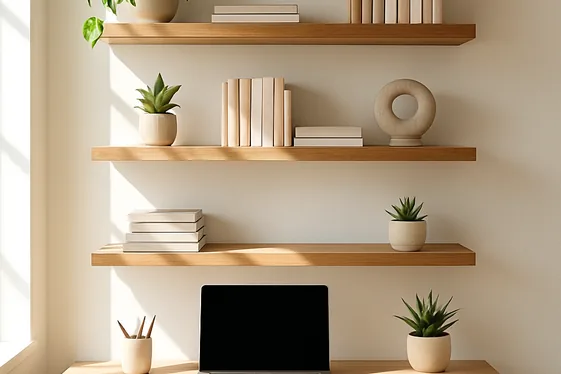
8. Floating Shelves for Storage
Floating shelves are an excellent solution for adding storage without taking up valuable floor space in a small therapy office. They help keep the room organized while maintaining an open and uncluttered feel. This is particularly beneficial in compact layouts where every inch matters.
Style shelves with a mix of books, small plants, and minimal decor items. Avoid overcrowding to preserve visual calm. Use neutral tones for consistency. This setup provides functional storage while enhancing the overall aesthetic of the space.
9. Light Curtains for Privacy
Light curtains provide privacy while still allowing natural light to flow into the therapy office. This balance is essential for creating a space that feels both secure and open. The soft diffusion of light enhances the calming atmosphere and prevents the room from feeling enclosed.
Choose sheer or lightweight fabrics in neutral tones to maintain brightness. Pair them with simple window treatments for a clean look. This setup creates a comfortable and airy environment that supports both privacy and relaxation.
10. Compact Sofa Seating
A compact sofa offers flexible seating while maintaining comfort in a small therapy office. It allows clients to sit in a relaxed position without taking up excessive space. This option works well for therapists who prefer a more informal and approachable seating arrangement.
Choose a sofa in neutral tones with soft upholstery to enhance comfort. Pair it with a small table and minimal decor. Keep the layout open for easy movement. This setup creates a welcoming and functional environment.
11. Warm Wood Accents
Warm wood accents bring a sense of grounding and natural warmth to a therapy office. They soften the overall design and create a more inviting atmosphere, which helps clients feel at ease. In small spaces, wood elements add texture without overwhelming the visual balance.
Incorporate wood through furniture, shelves, or decorative items. Choose lighter tones to maintain brightness. Pair with neutral fabrics for harmony. This setup creates a cozy and balanced environment that feels both natural and professional.
12. Minimal Decor Approach
A minimal decor approach reduces visual clutter and allows the therapy office to feel more open and calming. This is especially important in small spaces where too many items can feel overwhelming. Simplicity helps clients focus on the session without distractions.
Select only essential decor pieces and keep surfaces clean. Use neutral colors to maintain consistency. Avoid unnecessary furniture or accessories. This setup creates a peaceful and organized environment that supports clarity and emotional comfort.
13. Soft Throw Blankets
Soft throw blankets add a layer of comfort and warmth to a therapy office, helping clients feel more relaxed during sessions. This small detail can make a significant difference in creating a welcoming and supportive environment.
Choose blankets in neutral tones and soft fabrics like cotton or wool. Fold them neatly over chairs to maintain a tidy look. Avoid excessive layering to prevent clutter. This setup enhances comfort while preserving the calm and organized feel of the space.
14. Small Coffee Table Centerpiece
A small coffee table provides a functional surface without overcrowding a compact therapy office. It can hold essentials such as tissues, notebooks, or a small decorative item while maintaining accessibility for both therapist and client.
Choose a simple design in light wood or neutral tones to match the room’s palette. Keep decor minimal to avoid distraction. Position it centrally for convenience. This setup creates balance and functionality within a limited space.
15. Neutral Accent Wall
A neutral accent wall adds subtle depth and interest to a therapy office without disrupting the calming atmosphere. It creates a focal point that enhances the overall design while maintaining simplicity.
Use textures such as paneling or soft patterns instead of bold colors. Keep tones consistent with the rest of the room. Pair with minimal decor for balance. This setup creates a refined and visually engaging environment.
16. Natural Light Focused Layout
Maximizing natural light is essential for making a small therapy office feel open and welcoming. Sunlight improves mood and creates a positive environment that supports emotional well-being during sessions.
Arrange seating near windows to take advantage of natural light. Use light-colored decor to enhance brightness. Avoid blocking windows with heavy furniture. This setup creates an airy and uplifting space that feels both comfortable and spacious.
17. Cozy Corner Setup
A cozy corner setup creates a more intimate and comfortable area within a small therapy office. This arrangement helps clients feel safe and supported, encouraging open communication during sessions.
Use a comfortable chair, soft lighting, and minimal decor to define the space. Keep the layout simple to avoid clutter. Add a small rug for warmth. This setup creates a private and inviting corner that enhances the overall therapeutic experience.
18. Sound-Softening Curtains and Rugs
Sound-softening elements such as thick rugs and curtains help improve privacy and reduce noise in a therapy office. This is especially important in small spaces where sound can travel easily and disrupt the environment.
Choose materials that absorb sound while maintaining a neutral aesthetic. Combine rugs and curtains for maximum effect. Keep colors soft and consistent. This setup enhances confidentiality and creates a quieter, more comfortable space for sessions.
19. Bookshelf with Therapy Resources
A bookshelf adds both functionality and professionalism to a therapy office by providing easy access to resources. It also enhances the visual appeal of the room when styled thoughtfully.
Arrange books neatly and include a few decorative items for warmth. Avoid overcrowding to maintain a clean look. Use neutral tones for consistency. This setup creates an organized and inviting environment that supports both therapy and design.
20. Soft Scent and Candle Setup
Soft scents and candles can enhance the sensory experience of a therapy office, helping clients feel more relaxed and comfortable. Gentle fragrances create a calming atmosphere that supports emotional ease.
Use subtle, non-overpowering scents to avoid distraction. Place candles safely and keep decor minimal. Combine with soft lighting for a cohesive effect. This setup creates a soothing environment that enhances the overall therapeutic experience.
21. Neutral Wall Panels
Neutral wall panels add texture and depth to a therapy office without introducing bold colors. They enhance the design subtly while maintaining a calm and professional atmosphere.
Choose light tones and simple patterns to keep the look consistent. Pair with minimal furniture to avoid visual clutter. Use soft lighting to highlight the texture. This setup creates an elegant and refined space.
22. Comfortable Footrest Addition
A footrest adds an extra level of comfort, helping clients feel more relaxed during sessions. This small addition can significantly improve the overall experience by supporting a comfortable sitting posture.
Choose a soft and neutral design that complements the seating. Place it within easy reach of chairs. Keep the area uncluttered for simplicity. This setup enhances comfort while maintaining a clean and professional look.
23. Personalized Yet Minimal Decor
Personalized decor adds warmth and character to a therapy office while helping clients feel more connected to the space. Thoughtful items can make the environment feel welcoming without compromising professionalism.
Keep personalization minimal and meaningful to avoid clutter. Use neutral tones to maintain consistency. Choose items that reflect calmness and positivity. This setup creates a balanced and inviting space that feels both professional and personal.

Sarah Parker is a creative content writer with experience in crafting engaging, reader-friendly, and SEO-optimized content. She specializes in writing blog posts, website copy, social media captions, and digital marketing content across niches including lifestyle, home decor, business, and technology. Her writing style focuses on clarity, audience engagement, and search engine visibility.