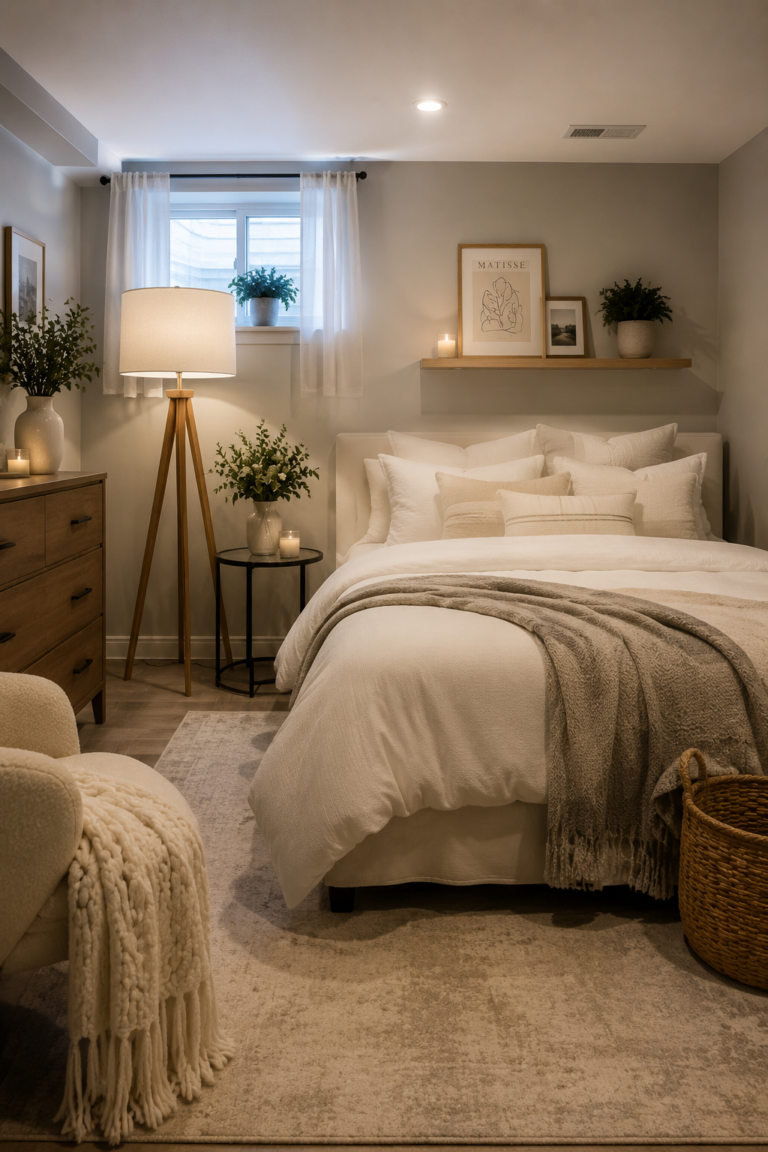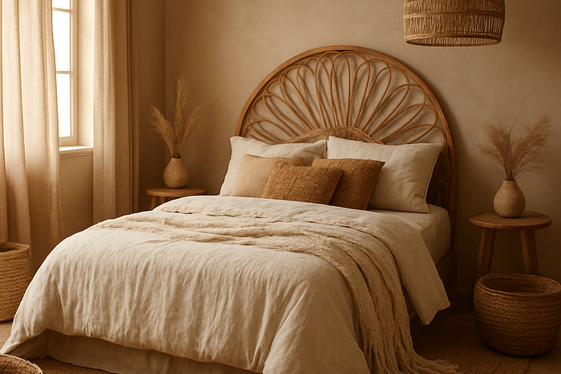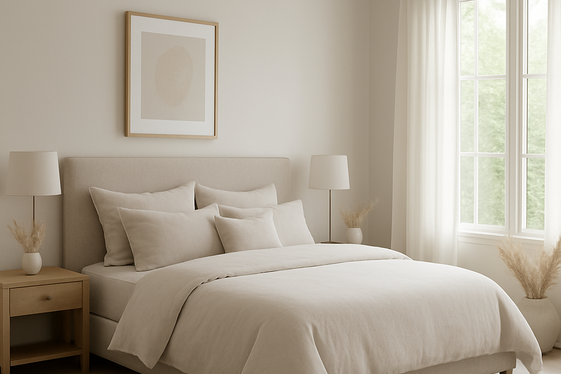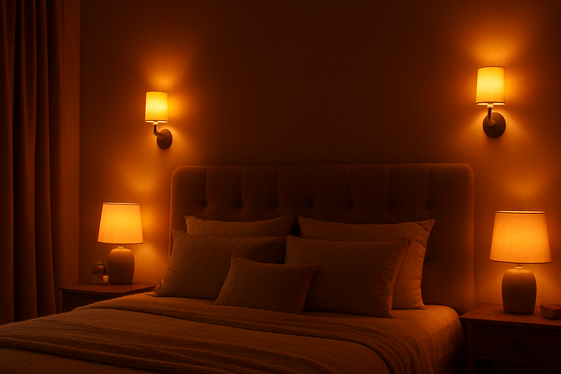
Creating a bedroom that feels both stylish and organized can totally transform your daily routine. Your wardrobe plays a huge role in setting the tone of your space—beyond just storage, it’s about expressing your personal style and keeping everything neat and accessible.
Whether you live in a cozy apartment or a spacious house, a well-designed wardrobe can boost your bedroom’s vibe and function. In today’s world, clever storage planning meets chic design, so you don’t have to sacrifice looks for order.
From modern sliding doors to open shelving, built-in units, and smart accessories, there are loads of ways to revamp your wardrobe. This guide rounds up 14 practical and trendy wardrobe design ideas, packed with advice tailored for homeowners in the US who want a fresh take on organizing their bedroom.
Stick around, and you’ll discover how to make your wardrobe work harder and look better than ever before.
1. Maximize Space with Floor-to-Ceiling Wardrobes
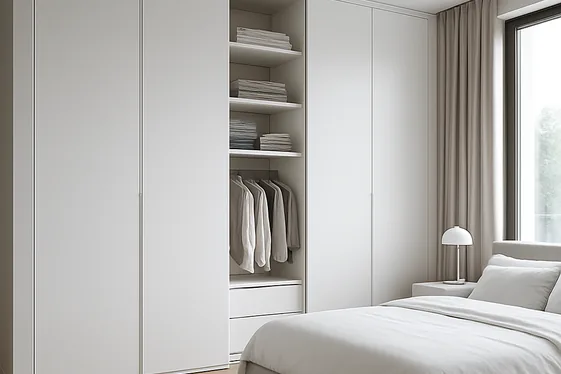
Floor-to-ceiling wardrobes are a fantastic solution if you want to make the most of vertical space in your bedroom. These wardrobes stretch all the way up, leaving no unused wall space. This kind of design not only offers plenty of storage but also creates a sleek, built-in look that feels intentional and modern.
Consider using adjustable shelves and hanging rods inside to suit your changing storage needs throughout the year. Using the entire height of your bedroom also helps reduce clutter since everything can have a dedicated spot — from your shoes on the bottom shelves to seldom-used boxes up high. I’ve noticed this works particularly well in rooms with higher ceilings, where regular wardrobes often look dwarfed and miss out on that extra worthwhile space.
Just be sure to add a sturdy step stool if your top shelves are hard to reach. It’s an investment that pays off for a truly organized wardrobe. This keeps the idea practical, clear, and easy for readers to use right away.
It also adds a little more helpful detail without making the writing sound stiff. A simple, thoughtful explanation like this helps the whole article feel complete. That balance makes the advice feel more natural, more useful, and easier to follow.
2. Incorporate Lighting to Highlight Your Wardrobe
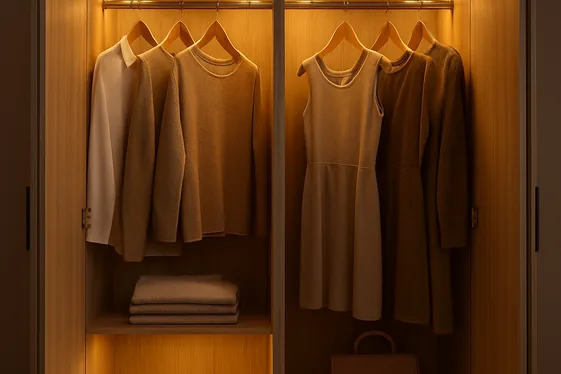
- Use LED strip lights along shelves or rods to brighten dark wardrobe corners.
- Motion sensor lights turn on automatically when you open the doors, conserving energy.
- Warm white bulbs create a cozy atmosphere, while daylight bulbs show true colors better.
- Spotlights mounted inside the wardrobe highlight your favorite pieces and add drama.
- Backlit mirrors within the wardrobe give you extra light for dressing and add a stylish touch.
Quick lighting upgrades can make a big difference in how your wardrobe looks and functions. In my experience, adding soft, well-placed lighting reveals your clothes clearly and adds a sense of luxury for a surprisingly affordable price. Plus, you avoid fumbling around for that specific outfit on a dim morning.
With lighting that’s both practical and decorative, your wardrobe stops feeling like just storage and turns into part of your bedroom’s overall design charm. This keeps the idea practical, clear, and easy for readers to use right away.
It also adds a little more helpful detail without making the writing sound stiff. A simple, thoughtful explanation like this helps the whole article feel complete. That balance makes the advice feel more natural, more useful, and easier to follow.
3. Choose Sliding Doors to Save Room and Add Style
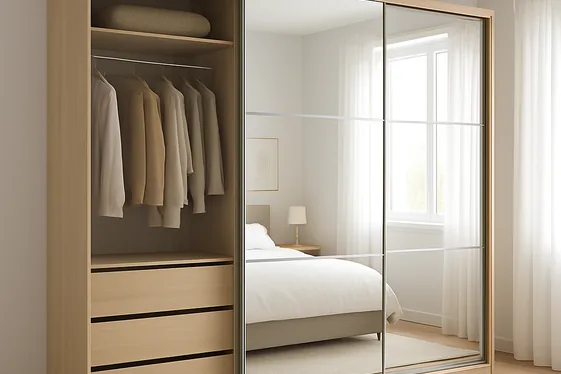
Quick Tip:
Sliding wardrobe doors are perfect for bedrooms where space is tight because they don’t swing out. Modern sliding doors come in sleek glass, mirrored, wood, or metal finishes, letting you personalize your wardrobe’s look without losing practicality.
Sliding doors help maintain a clean, minimalist look and can be customized with textured panels or matte finishes to complement your décor. The smooth glide mechanism prevents door slamming and can feel surprisingly satisfying to operate daily. Plus, mirrored sliding doors double as a full-length mirror without extra floor space needed.
Combining style and function, they’re a brilliant pick for small to medium-sized bedrooms aiming for a neat, polished vibe. This keeps the idea practical, clear, and easy for readers to use right away.
It also adds a little more helpful detail without making the writing sound stiff. A simple, thoughtful explanation like this helps the whole article feel complete. That balance makes the advice feel more natural, more useful, and easier to follow.
4. Create a Walk-In Wardrobe for a Luxe Feel
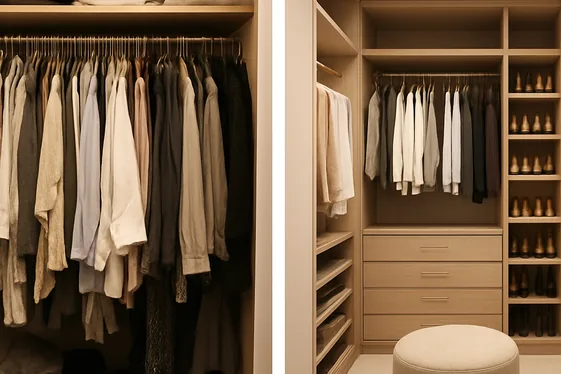
Before: Traditional wardrobes often limit your storage and can feel cramped, making it tough to see or access everything you own in one glance.
After: A walk-in wardrobe opens up your bedroom by dedicating a separate area that works like a dressing room, offering space for hanging clothes, shelves, drawers, and even seating. It feels like a boutique inside your home, elevating your daily routine.
Walk-in wardrobes are a dream for organization lovers and style buffs because they let you customize zones for shoes, accessories, and seasonal wear. I’ve seen this work well in many cases where homeowners turn an awkward closet or spare room into a highly functional wardrobe sanctuary. Designing with clear sections and good lighting ensures your closet stays as inviting as the rest of your bedroom.
This keeps the idea practical, clear, and easy for readers to use right away. It also adds a little more helpful detail without making the writing sound stiff. A simple, thoughtful explanation like this helps the whole article feel complete. That balance makes the advice feel more natural, more useful, and easier to follow.
5. Use Modular Wardrobe Systems for Flexibility
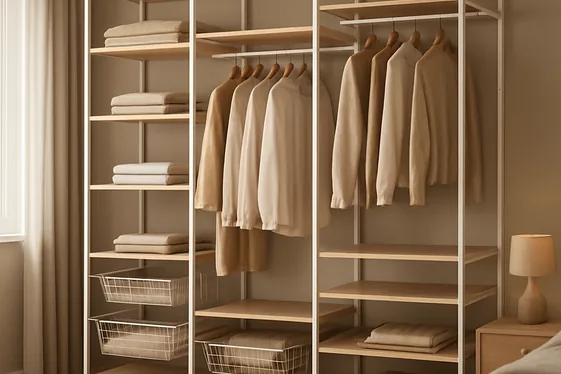
- Choose a modular system with components like shelves, rods, cubbies, and drawers that can be arranged to fit your space.
- Measure your bedroom area carefully to select modules that maximize available wall length without overcrowding.
- Assemble or have professionals install the system, allowing you to add or move parts seasonally.
- Mix open shelving for frequent use items alongside closed cabinets to hide clutter.
- Customize with accessories like tie racks, pull-out baskets, and adjustable hanging height to suit your clothing.
I’ve noticed modular wardrobes allow for easy updates as your needs change or your wardrobe grows. This flexibility means you don’t need to replace everything when reorganizing, saving money and hassle. Modular systems work great in renters’ homes too, offering a tailored wardrobe that you can pack up or adjust as you move. This keeps the idea practical, clear, and easy for readers to use right away.
It also adds a little more helpful detail without making the writing sound stiff. A simple, thoughtful explanation like this helps the whole article feel complete. That balance makes the advice feel more natural, more useful, and easier to follow.
6. Opt for Built-In Wardrobes to Blend with Your Room
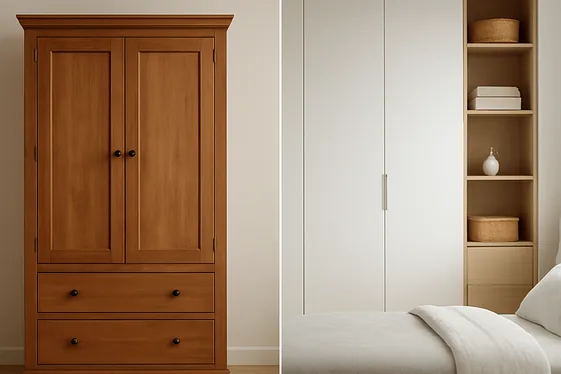
| Feature | Freestanding Wardrobe | Built-In Wardrobe |
|---|---|---|
| Space Efficiency | Takes up extra floor space | Uses wall recesses efficiently |
| Appearance | Often bulky, standalone piece | Seamlessly blends with walls |
| Customization | Limited to available sizes | Fully customized to room layout |
| Installation | Easy to move or replace | Requires professional fitting |
| Storage Options | Basic interiors | Tailored shelving and compartments |
| Value Added | Minimal impact on home value | Increases home resale appeal |
Built-in wardrobes provide a smooth, integrated look that fits perfectly into your bedroom design. Professionally crafted to your room’s dimensions, they offer premium organization and make the space appear larger by eliminating gaps. They’re ideal for permanent setups where you want lasting style and function combined. This keeps the idea practical, clear, and easy for readers to use right away.
It also adds a little more helpful detail without making the writing sound stiff. A simple, thoughtful explanation like this helps the whole article feel complete. That balance makes the advice feel more natural, more useful, and easier to follow.
7. Organize with Customized Drawer Inserts
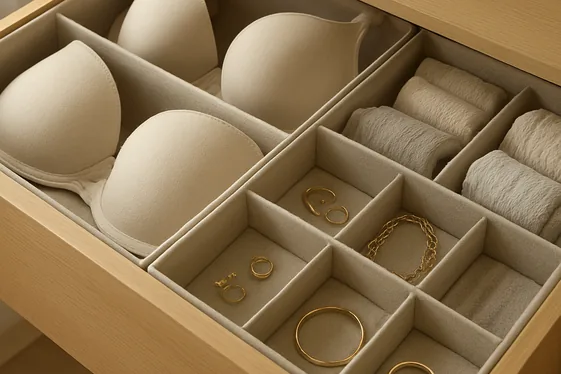
Do:
- Use inserts for different clothing types: dividers for underwear, jewelry trays, and sections for socks.
- Select inserts made of breathable materials to prevent moisture buildup.
- Label inserts or drawers to maintain order and easy access.
- Adjust inserts as needed for changing wardrobe seasons or habits.
- Combine deep and shallow inserts to maximize drawer space use.
Don’t:
- Overfill drawers, which damages clothes and creates wrinkles.
- Use generic organizers that don’t fit your drawer dimensions.
- Ignore regular sorting and purging of your drawer contents.
- Mix unrelated items in a single compartment or drawer.
- Forget to clean drawers before installing inserts, avoiding dust accumulation.
Customized drawer inserts keep your smaller items perfectly in place, making it quick to find what you need while keeping everything looking neat. Well-organized drawers reduce frustration and keep your wardrobe streamlined so you’re ready for anything every morning. This keeps the idea practical, clear, and easy for readers to use right away.
It also adds a little more helpful detail without making the writing sound stiff. A simple, thoughtful explanation like this helps the whole article feel complete. That balance makes the advice feel more natural, more useful, and easier to follow.
8. Go for Open Wardrobes to Showcase Your Style
Cost: Medium
Time: Moderate installation
Skill Level: Intermediate
Best For: Display lovers, easy access
Works In: Spacious bedrooms
Difficulty: Moderate
Result: Stylish, airy closet
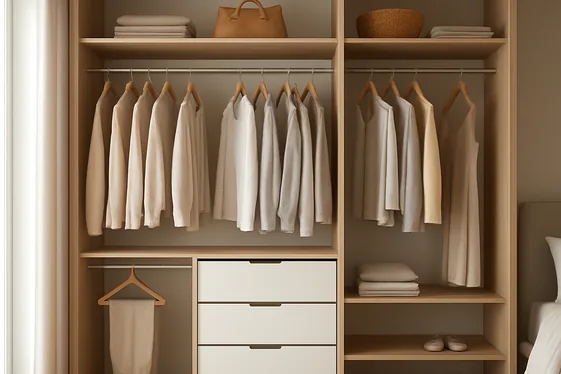
Open wardrobes ditch doors in favor of exposed shelves, rods, and baskets. This approach makes your bedroom feel more airy and inviting, perfect if you have stylish shoes or clothing worth showing off. In my experience, open wardrobes encourage more tidiness since everything is visible at all times, which naturally motivates regular upkeep. Because they’re accessible, they save minutes each day, speeding up your routine.
While open wardrobes need careful styling to avoid clutter, pairing different heights of shelves and well-spaced hangers helps keep effortless order. These wardrobes fit a contemporary bedroom vibe and work well in dry climates, avoiding dust issues that can come with open setups.
This keeps the idea practical, clear, and easy for readers to use right away. It also adds a little more helpful detail without making the writing sound stiff. A simple, thoughtful explanation like this helps the whole article feel complete. That balance makes the advice feel more natural, more useful, and easier to follow.
9. Add Mirrors to Expand and Brighten the Space
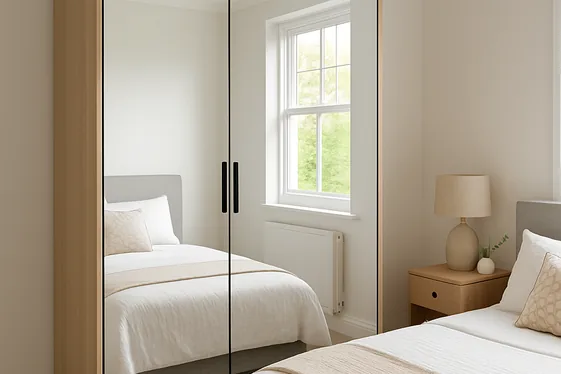
Mirrors are not just functional; they visually expand a bedroom and add light reflection that brightens the entire space. Wardrobe doors with full-length mirrors invite you to check your outfits conveniently without a separate mirror cluttering the room. Positioning mirrors to catch natural light can make mornings much brighter and more cheerful. I’ve seen this work well in many cases where homeowners transformed small or dim bedrooms into airy retreats with mirrored wardrobes.
Besides their practical use, mirrors also add a touch of elegance, making your wardrobe the star feature. Be mindful of mirror size and positioning to avoid overwhelming the room but focus on maximizing light and flow.
This keeps the idea practical, clear, and easy for readers to use right away. It also adds a little more helpful detail without making the writing sound stiff. A simple, thoughtful explanation like this helps the whole article feel complete. That balance makes the advice feel more natural, more useful, and easier to follow.
10. Mix Materials for an Eye-Catching Wardrobe Design
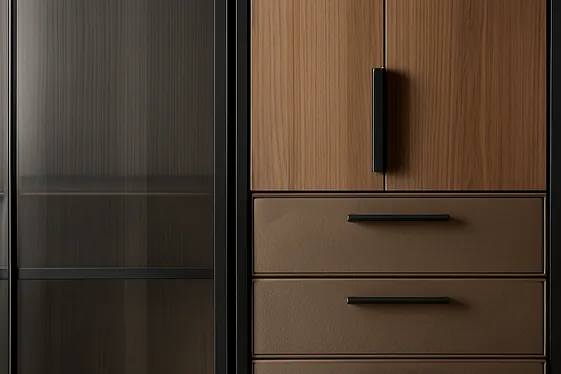
- Combine wood and metal for an industrial chic look, perfect for urban bedrooms.
- Use matte and glossy finishes together to add depth and texture visually.
- Incorporate glass panels or frosted glass doors to keep things light and modern.
- Try natural materials like bamboo or rattan mixed with painted wood for a boho vibe.
- Add leather or fabric drawer fronts for unexpected tactile contrast that feels luxurious.
Mixing materials helps your wardrobe stand out without adding clutter or noise. I’ve noticed pairing contrasting textures makes the wardrobe a design feature and can help tie in other bedroom elements like furniture and rugs. Experimenting with materials lets you reflect your personality and create a custom feel while staying organized. This keeps the idea practical, clear, and easy for readers to use right away.
It also adds a little more helpful detail without making the writing sound stiff. A simple, thoughtful explanation like this helps the whole article feel complete. That balance makes the advice feel more natural, more useful, and easier to follow.
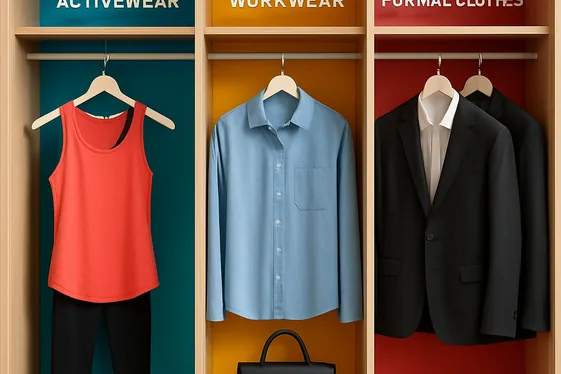
11. Use Color Blocking to Define Wardrobe Sections
Quick Tip:
Use contrasting yet complementary colors to separate wardrobe zones visually. Paint or wallpaper the inside back panels of shelves in bold colors while keeping outer doors neutral for balance.
Color blocking works as a clever trick to organize by function—the red section for activewear, the blue for work clothes, the yellow for special occasions—while adding personality to your bedroom wardrobe. The pops of color make it easier to mentally group items and find them quickly.
Be sure to choose colors that coordinate with your existing décor and keep the tones balanced so the overall look stays cohesive but lively. This keeps the idea practical, clear, and easy for readers to use right away.
It also adds a little more helpful detail without making the writing sound stiff. A simple, thoughtful explanation like this helps the whole article feel complete. That balance makes the advice feel more natural, more useful, and easier to follow.
12. Install Wardrobe Accessories for Optimal Use
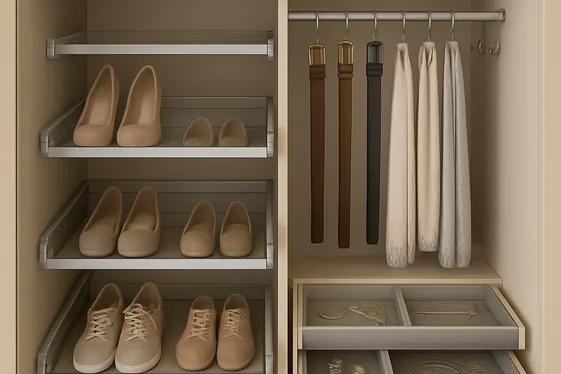
Before: Wardrobes often come barebones with just a rod and a basic shelf, leading to wasted space and messy piles.
After: Adding accessories like pull-out shoe racks, belt hooks, scarf holders, and jewelry trays transforms your wardrobe into a highly efficient organizer. These details maximize every inch and keep smaller items accessible and visible.
That’s why many experts recommend investing in these thoughtful add-ons to avoid cramming and make daily dressing smoother. I’ve seen this work well in many cases when simple hooks and racks reduced clutter dramatically and made morning routines quicker. Accessories also keep valuable items safe and easily retrievable. This keeps the idea practical, clear, and easy for readers to use right away.
It also adds a little more helpful detail without making the writing sound stiff. A simple, thoughtful explanation like this helps the whole article feel complete. That balance makes the advice feel more natural, more useful, and easier to follow.
13. Design a Wardrobe Nook in Small Bedrooms
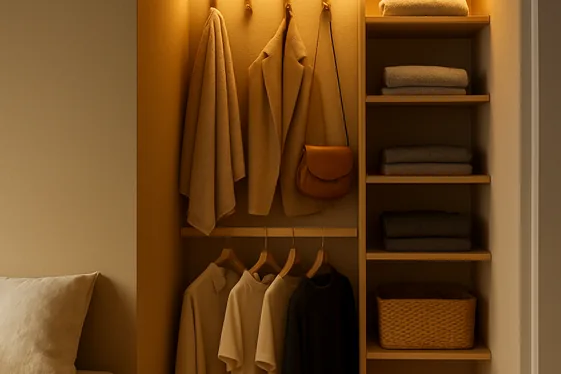
- Identify underutilized corners or alcoves in your bedroom that can be converted into a wardrobe nook.
- Measure the space carefully to custom-fit compact shelving and hanging rods.
- Install doors if privacy or dust protection is needed, or leave open for easy access.
- Use vertical storage solutions like tall shelves and hooks to optimize every inch.
- Add lighting inside the nook for visibility and a cozy feel.
I’ve noticed small bedrooms become much more functional when a niche is sacrificed for tailored storage. A wardrobe nook blends seamlessly with built-ins, making your layout efficient without feeling cramped. The key is precise planning and intelligent use of vertical space so it feels intentional, not an afterthought. This keeps the idea practical, clear, and easy for readers to use right away.
It also adds a little more helpful detail without making the writing sound stiff. A simple, thoughtful explanation like this helps the whole article feel complete. That balance makes the advice feel more natural, more useful, and easier to follow.
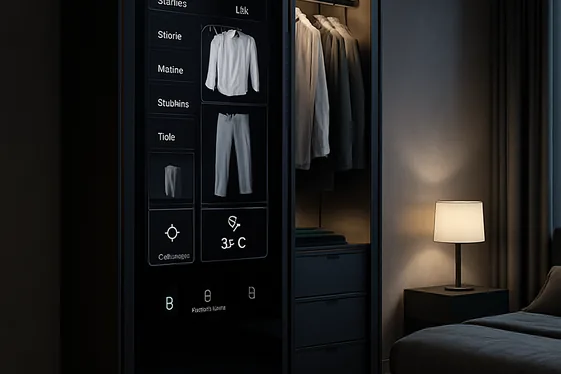
14. Incorporate Smart Technology into Your Wardrobe
| Feature | Traditional Wardrobe | Smart Wardrobe |
|---|---|---|
| Lighting Control | Manual on/off | Voice-activated, automatic |
| Inventory Tracking | None | Digital apps to catalog items |
| Climate Control | Usually none | Temperature and humidity sensors |
| Access | Physical locks only | Biometric or app control |
| Outfit Planning | Manual | Integrated digital styling assistants |
Smart wardrobes bring technology to your closet for a futuristic style and convenience. From app-guided outfit suggestions to automatic lighting and climate control cutting down fabric damage, they add sophistication to your organization. Forward-thinking homeowners appreciate how these systems minimize decision fatigue and help maintain garment longevity, making their wardrobe a tech-savvy haven. This keeps the idea practical, clear, and easy for readers to use right away.
It also adds a little more helpful detail without making the writing sound stiff. A simple, thoughtful explanation like this helps the whole article feel complete. That balance makes the advice feel more natural, more useful, and easier to follow.
Conclusion
When it comes to designing your wardrobe, the key is balancing style and function that fit your bedroom’s size and your lifestyle. Whether you maximize vertical space with floor-to-ceiling units or opt for the luxury of a walk-in closet, each choice offers unique benefits.
Lighting and mirrors boost visibility and ambiance, while sliding doors and modular systems adapt perfectly to your room’s needs. Don’t overlook the power of organization accessories and color blocking to keep your clothes in order and your space inviting. Small spaces can shine with wardrobe nooks, and tech-savvy wardrobes bring next-level convenience to daily dressing.
The best part? You can mix and match these ideas to design a wardrobe that truly feels like your own, making mornings easier and your bedroom the stylish, organized retreat you deserve.

Sarah Parker is a creative content writer with experience in crafting engaging, reader-friendly, and SEO-optimized content. She specializes in writing blog posts, website copy, social media captions, and digital marketing content across niches including lifestyle, home decor, business, and technology. Her writing style focuses on clarity, audience engagement, and search engine visibility.