If your living room feels a little gloomy or cramped, focusing on light and brightness can dramatically transform the space. It’s not just about turning on more lamps; it’s about creating an atmosphere where natural glow reigns supreme all day long. Light living rooms feel open, airy, and welcoming—perfect for those casual hangouts, family movie nights, or simply relaxing after a long day.
Whether you live in a sun-drenched California bungalow or a cozy upstate New York townhouse, these ideas tap into clever tricks and design eye candy to boost your room’s brightness.
From choosing the right colors to positioning mirrors perfectly, lighting doesn’t need to be complicated or expensive to make a huge impact. In fact, sometimes the smallest adjustments change everything. So buckle up as we explore 15 light living room ideas tailored to help your space feel naturally radiant and full of positive vibes.
These tips are fresh for 2026 and designed to fit any style or budget. Ready to let the sunshine in—literally? Let’s dive in!
1. Maximize Natural Sunlight with Sheer Curtains
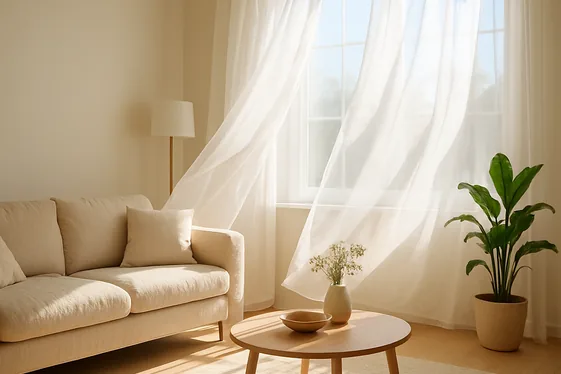
Sheer curtains act like a soft filter, letting in plenty of natural light while maintaining privacy. Choose lightweight fabrics in neutral shades like white, cream, or soft gray to bounce light around the room. Hang them wider and higher than your window frame—ideally 4 to 6 inches above the window—to create the illusion of larger windows and boost brightness.
Make sure they’re long enough to just touch the floor for a polished, airy feel. Pair sheer curtains with blinds or shades that fully retract during the day, allowing sunlight to flood your space without obstruction.
Keep curtain rods slim and simple so they don’t block light or clutter the view. The goal is to maximize sunshine effortlessly, turning your living room into a cheerful retreat.
2. Add Light-Reflecting Mirrors Strategically
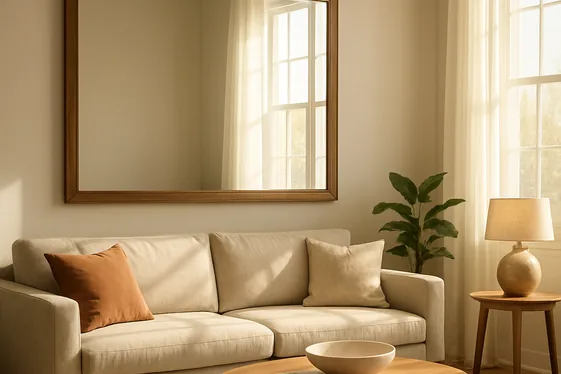
- Place a large mirror opposite a window to maximize the natural light bouncing around your living room. This simple trick instantly doubles the sunlight entering the space.
- Choose mirrors with thin, minimalist frames or frameless designs to avoid visual bulk and maintain an airy feel.
- Lean a full-length mirror against a wall rather than hanging it for a casual yet chic look that’s easy to move and rearrange.
- Use smaller decorative mirrors grouped together on one wall to create a mosaic of reflected light and add a unique focal point.
- Position mirrors near light-colored or glossy surfaces to amplify the room’s brightness and create subtle highlights.
- Avoid placing mirrors where they reflect clutter or dark corners, as they will only multiply those shadows and mess.
- Experiment with mirror shapes—round or sunburst styles offer softer reflections that bring warmth, unlike harsh square edges.
Strategically placing mirrors can transform the ambiance of a living room without buying extra lamps or fixtures. In my experience, having a mirror across from a south-facing window floods the room with warm, uplifting light throughout the day, making even smaller spaces feel expansive. While mirrors reflect existing brightness, where you put them truly changes how the whole room shines.
3. Incorporate Light Wood Furniture for Warmth
Quick Tip:
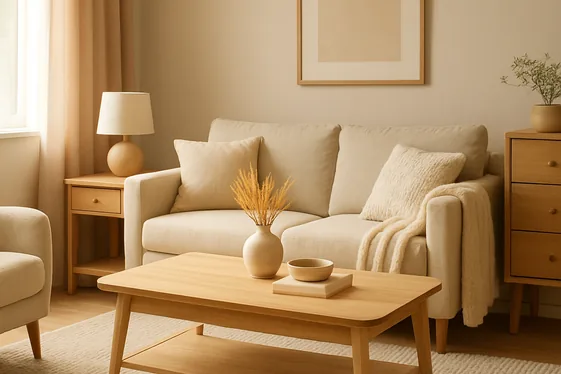
Choose light wood furniture like oak, maple, or birch to introduce warmth without overwhelming your space. Opt for pieces with clean lines and minimal finishes to maintain an airy vibe. Position a light wood coffee table or sideboard where natural light hits to enhance the wood’s glow. Balance the warmth by pairing these with soft, neutral textiles like linen or cotton.
Light wood furniture creates a cozy, inviting atmosphere by bringing subtle warmth into a bright living room. When you select sofas or chairs framed in light wood, the tone naturally complements sunlight, helping the room feel both fresh and grounded.
Aim for sizes that fit your room without crowding—think smaller coffee tables or slim console tables—so the space remains open and filled with light.
4. Declutter to Open Up Your Space
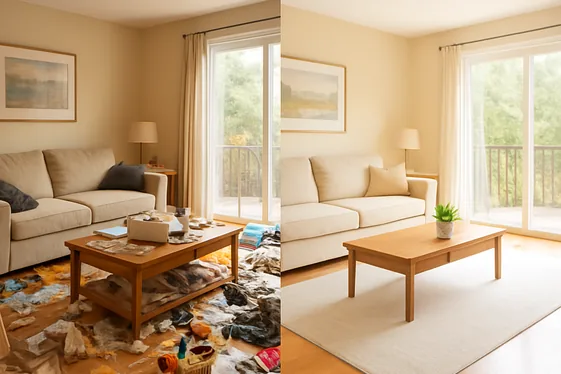
Before: Your living room feels cramped and shadowy, crowded with oversized furniture and cluttered surfaces that block natural light. The space seems smaller than it actually is, making it difficult to relax or entertain comfortably. You might feel stuck with a dull, busy room that lacks any sense of openness.
After: You clear away excess items, keep only pieces that fit comfortably, and choose furniture with slim profiles or open legs to create a light, airy atmosphere. Decluttering reveals your room’s true size and allows sunlight to bounce freely around the space. Now, your living area feels fresh, spacious, and welcoming—a place you want to spend more time in.
Removing unnecessary items and trimming down furniture is key to brightening your space. Start by sorting through books, decorations, and magazines—store or donate anything you don’t use regularly. Opt for multi-functional furniture that offers storage without bulk, like a coffee table with drawers.
5. Choose Soft Neutral Paint Colors
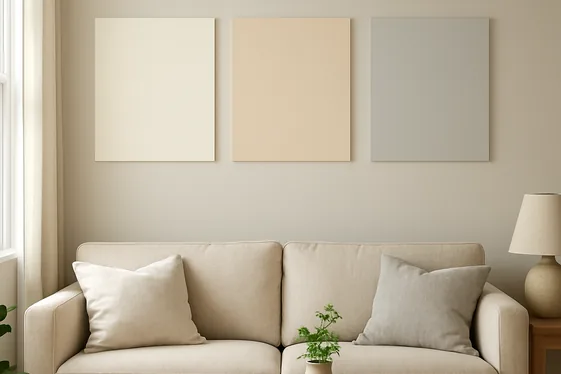
- Pick soft neutral tones like pale beige, warm greige, or light taupe to create a calm base in your living room. These colors reflect natural light better and feel inviting. Test a few paint samples on different walls before deciding.
- Use a satin or eggshell finish to enhance light reflection while keeping walls smooth and subtle. Avoid matte finishes as they absorb light and can make your room feel dull. Satin adds just enough sheen for an elegant glow.
- Paint ceilings a crisp white to bounce light down and open the room up. This contrast with soft neutrals on walls makes the space feel taller and airier. Choose a bright white with cool undertones to complement warm wall colors.
- Layer on soft textures in pillows, rugs, and curtains within the paint palette for added warmth without overwhelming the neutral scheme. Add interest through tone-on-tone patterns or natural materials like linen and wool. This keeps the room cozy and light-filled.
- Pair soft neutral walls with light wood or white furniture for a streamlined, airy effect. Avoid dark, heavy pieces that soak up light and create visual clutter. Aim for simple, clean lines to let natural light take center stage.
Painting your living room walls in soft, neutral shades sets a luminous foundation for a bright, natural glow. The right combination of finish, color, and ceiling treatment makes light bounce around effortlessly. Layer in textures and light-toned furniture to keep your space fresh and welcoming without losing brightness. This approach works especially well in rooms with lots of windows or smaller spaces needing a light boost.
Before: Walls in dark or saturated hues absorb light and make the room feel closed in.
After: Soft neutral walls brighten your living room by reflecting natural light and creating a calm, airy vibe.
Quick Tip:
Test paint samples next to your window at different times of day to see how natural light affects the color on your walls.
6. Optimize Lighting with Smart LED Fixtures
| Point | Traditional Bulbs | Smart LED Fixtures |
|---|---|---|
| Energy Efficiency | Uses more electricity | Consumes less energy |
| Light Color Control | Fixed warm or cool tones | Adjustable color temperature |
| Dimming Capability | Often requires special dimmers | Built-in dimming via apps |
| Longevity | Lasts about 1,000 hours | Up to 25,000+ hours |
| Remote Access | Manual switch operation | Control via smartphone or voice |
| Cost | Lower upfront cost | Higher initial investment |
| Customization | Limited options | Scenes and schedules available |
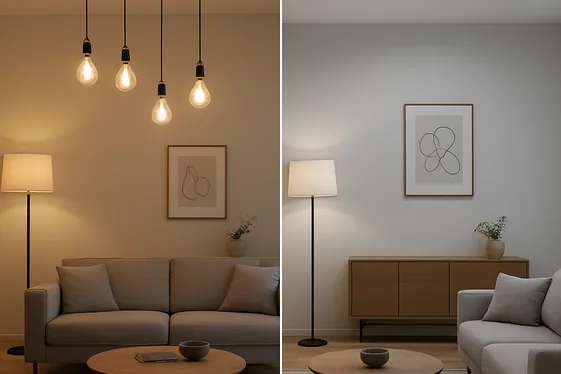
Smart LED fixtures bring a fresh way to brighten your living room while giving you control over the mood and ambiance. In my experience, switching from traditional bulbs to smart LEDs transformed not only the light quality but also how we interact with it daily.
Adjusting brightness or color temperature to suit different times of the day helps maintain that natural glow effect effortlessly. They’re particularly handy when you want to mimic daylight in the evening or soften the lighting during a cozy night in.
7. Use Glossy and Metallic Accents
Do:
- Incorporate gold or brass picture frames to catch sunlight and add warmth.
- Place a metallic coffee table or side table to reflect natural light around the room.
- Hang a glossy or mirrored wall art piece opposite windows for an instant light boost.
- Use silk or satin throw pillows with subtle shimmer to enhance texture and brightness.
- Choose light fixtures with polished chrome or nickel finishes to sparkle softly but not overwhelm.
Don’t:
- Overload the room with too many shiny objects, which can create glare and visual chaos.
- Select dark, heavy metallics like gunmetal or bronze that may absorb light instead of reflecting it.
- Place metallic items next to clutter, as reflections can highlight messiness.
- Forget to balance slick surfaces with soft, matte textures to avoid a cold or sterile vibe.
- Use large glossy accents in very small living rooms—shiny surfaces can cause visual clutter if overdone.
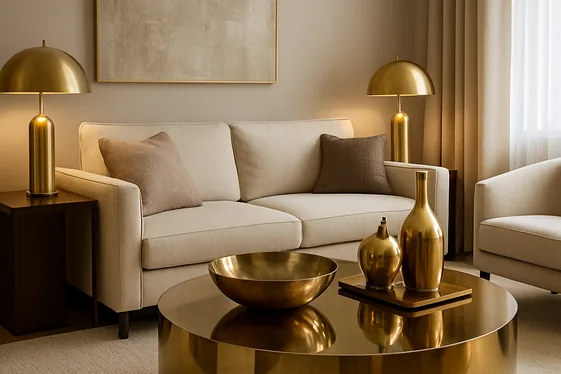
Glossy and metallic accents amplify natural light by bouncing it around your living room, giving the space a lively, airy feel. Even small touches like a polished vase or a gold lamp base can make sunlight dance, creating warmth and interest without sacrificing softness.
Remember to balance gleaming materials with cozy fabrics and subdued tones; this contrast adds depth and keeps your room inviting instead of overwhelming.
8. Place Indoor Plants to Enhance Freshness
Cost: Low to Moderate
Time: 10-15 minutes per plant setup
Best For: Small to medium living rooms
Result: Fresher, airier atmosphere
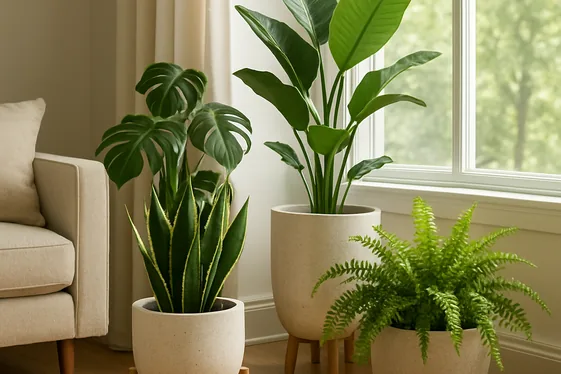
Indoor plants bring a splash of vibrant green that naturally brightens a room while boosting air quality. Placing tall snake plants in corners or trailing pothos on high shelves helps light bounce around your living space. Opt for plants like peace lilies or spider plants near windows to soak up sun and reduce dust.
Not only do plants soften sharp angles and add texture, but the subtle movement from leaves catches natural light, enhancing that fresh, glowing vibe you want.
9. Select Translucent Furniture Pieces
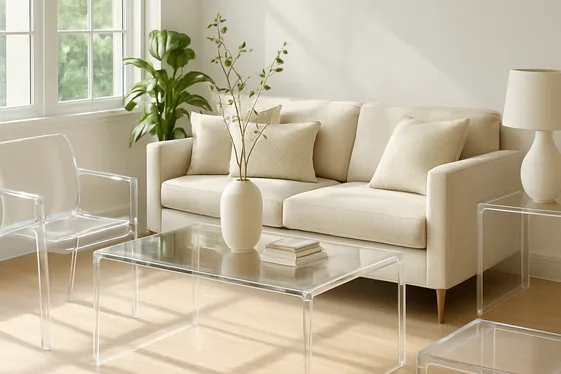
Clear acrylic chairs, glass coffee tables, and translucent side tables let light pass through, reducing visual clutter while retaining function. In my experience, incorporating a lucite chair near a sunlit window instantly opens up the sitting area without sacrificing seating. These pieces work especially well in smaller living rooms, where heavy furniture can feel overwhelming.
Choosing furniture with slim profiles and transparent materials keeps the focus on natural light, making the room feel airier and more spacious. Look for subtle details like frosted glass finishes or light-toned acrylic frames for softer effects.
Combine these with lightweight textiles and pale rugs to keep the airy vibe consistent. That’s why many experts recommend mixing transparent and light wooden elements for a modern yet warm look.
10. Layer Lighting for Depth and Dimension
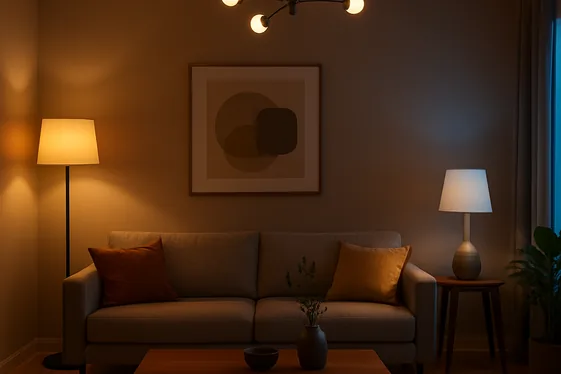
- Layer lighting creates depth by combining different light sources, such as ambient, task, and accent lights. This mix helps prevent flat, one-dimensional rooms and highlights design features naturally.
- Place floor lamps in corners for soft uplighting that opens up the space and adds warmth. Pair these with overhead fixtures to balance brightness without glare.
- Task lighting like adjustable table lamps near sofas or reading nooks increases functionality without overpowering the room’s overall glow. Choose shades that diffuse light gently.
- Accent lights, such as wall sconces or picture lights, add interest by focusing attention on artwork, plants, or textured walls. This draws the eye around the room, creating visual layers.
- Dimmable switches for multiple light sources allow you to control mood and brightness effortlessly throughout the day and night.
- Combine natural daylight with layered artificial lights for a seamless transition from bright daytime scenes to cozy evenings.
- Mixing warm and cool light bulbs in your layered setup helps keep the room feeling vibrant and welcoming, not too cold or harsh.
Layer lighting is about balance and thoughtful placement. Start by assessing key areas where you need brightness or highlight, like seating zones or shelves. Then, build your lighting from the ground up: ambient overhead lights for general illumination, task lamps where you read or work, and accent lights to showcase décor.
11. Use Light-Colored Area Rugs

Quick Tip:
Choose light-colored area rugs in shades like cream, soft beige, pale gray, or muted pastels to lift the energy of your living room. Position rugs where sunlight hits for extra brightness. Opt for natural fibers like cotton or jute with light hues to maintain an airy feel and texture. Avoid dark or heavily patterned rugs that absorb light and visually shrink the space.
Area rugs with light tones open up your living room by reflecting natural light and creating a softer, airier atmosphere. Placing a cream or pale gray rug under a coffee table or in the center of the seating area instantly brightens floors that might otherwise look dull or heavy.
Rugs made from natural materials like cotton also add subtle texture without overwhelming the room.
12. Bring in Reflective Glass Decor

Before: The living room often feels a bit shadowy even during sunny afternoons, with light bouncing poorly off dark walls and heavy fabrics. Mirrors and glass are minimal or absent, making the space seem smaller and less inviting. Natural light struggles to spread far beyond the window areas.
After: Reflective glass decor scatters sunlight across the room, brightening shadowed corners and boosting the feeling of openness. Strategically placed mirrors, glass coffee tables, or decorative glass vases introduce sparkle and depth, creating a lively, airy atmosphere. The living room transforms into a fresh, glowing space that feels larger and more connected to the outdoors.
Incorporating reflective glass elements doesn’t just add style; it multiplies the natural light your room receives. Position a large mirror opposite a window or near a light source to bounce illumination around.
Consider glass-front cabinets or a sleek glass-top table to add subtle reflections without overwhelming the decor. Even smaller touches like glass candle holders or crystal bowls bring sparkle that amplifies daylight.
13. Install Skylights or Solar Tubes Where Possible
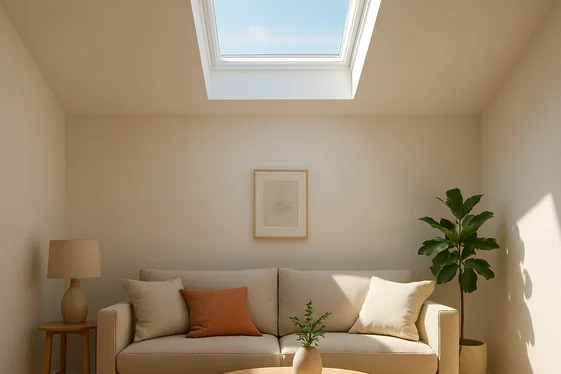
- Identify the best spots in your living room ceiling where natural light is lacking but could be improved. Areas away from windows or dark corners are prime candidates for skylight or solar tube installation.
- Choose between skylights and solar tubes based on your roof structure and budget. Skylights are larger and offer a bigger view, while solar tubes are easier to install and deliver focused light.
- Measure the exact size needed for the skylight or solar tube to fit your space. Most solar tubes come in diameters between 10 to 14 inches, while skylights vary more significantly.
- Hire a licensed roofing contractor or a specialist for the installation to ensure weatherproofing and proper sealing around the opening. This avoids leaks and damage over time.
- Decide if you want fixed or vented skylights. Ventilation can help with air circulation but might increase installation complexity and cost.
Skylights and solar tubes are excellent for flooding your living room with natural light from above, especially in spaces with limited wall window options. In my experience, rooms with even one well-placed solar tube brighten substantially, cutting down on the need for artificial lighting during the day.
Keep in mind that while skylights offer a wider view of the sky, solar tubes fit into smaller spaces and can even be routed around roof obstructions.
14. Upgrade Window Treatments for More Control
| Point | Traditional Heavy Drapes | Lightweight Adjustable Shades |
|---|---|---|
| Light Control | Blocks most natural light | Allows filtered light for a soft glow |
| Privacy | Offers full privacy when closed | Balances privacy with daylight through adjustable slats |
| Material | Thick fabrics, often dark colors | Sheer or semi-sheer materials in bright hues |
| Maintenance | Requires dry cleaning | Easy to clean with a damp cloth |
| Style Impact | Can feel bulky, closes off space | Enhances openness with a slim profile |
| Installation | May need professional help | DIY-friendly with simple mounting |
| Energy Efficiency | Insulates but can trap heat | Promotes airflow and natural cooling |
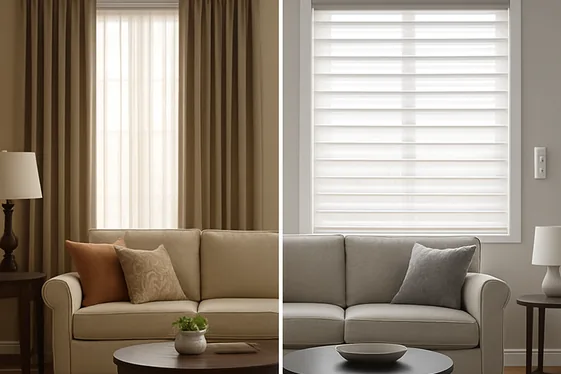
Swap out heavy drapes for lightweight shades that let you tailor sunlight to your mood and time of day. Adjustable slats or semi-sheer panels keep rooms bathed in a natural glow while offering privacy without turning your living space into a cave.
Plus, these modern window treatments are a breeze to install and clean, making it easy to refresh your living room vibe.
15. Blend Light Fabrics for Drapes and Throws
Do:
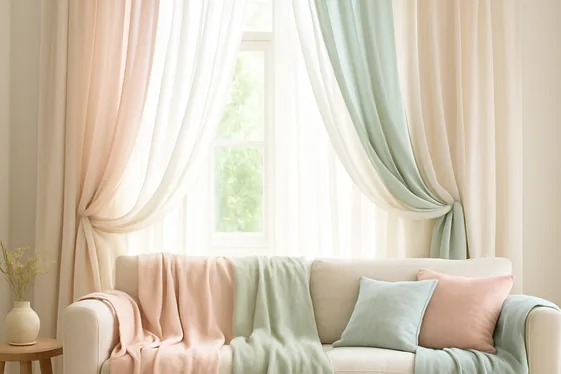
- Select lightweight cotton or linen blends for your drapes to allow natural light to filter softly into the room.
- Opt for throws made with airy fabrics like gauze or bamboo blends that add texture without weighing down the space.
- Keep the color palette light—whites, creams, pastels—to enhance the sunlit aura in your living room.
- Layer sheer drapes with a thin, light fabric underneath for privacy while preserving brightness.
- Choose fabrics that feel breathable and smooth to maintain a fresh, inviting atmosphere.
Don’t:
- Avoid heavy, dark fabrics like velvet or thick wool that block light and make the room feel smaller.
- Don’t pick synthetic materials that trap heat or look shiny, which can disrupt the natural vibe.
- Skip overly patterned or busy fabric that competes with the calm and airy decor.
- Never hang drapes too long or too bulky, as they may crowd windows and reduce light entry.
- Resist the urge to match throws and drapes exactly—variation adds interest and keeps the mood light.
Blending light fabrics for drapes and throws creates a soft, natural brightness by welcoming sunlight gently inside. The right materials filter daylight without blocking it, enhancing warmth and openness. Lightweight layers add subtle texture, making your living room cozy without feeling cramped. Keep fabrics breathable and in soft tones to complement your natural light goals.
Conclusion
Brightening your living room doesn’t have to mean a complete overhaul. Whether it’s swapping out heavy curtains for sheers or installing smart LED lights, these ideas let you introduce more natural glow with ease and style. Focusing on reflective elements like mirrors, light furniture, and airy fabrics opens up your space both visually and emotionally.
Layered lighting and plants add depth and vitality that make your living room a welcoming spot any time of day. For moments where natural sunlight is limited, architectural upgrades like skylights or solar tubes provide that connection to the outdoors many of us crave.
Remember that small tweaks—like decluttering or picking the right paint color—can be transformational. Pick a few ideas that fit your home and lifestyle best, and you’ll be basking in beautiful light every day. Your cozy, bright, naturally glowing living room awaits its next chapter.

Sarah Parker is a creative content writer with experience in crafting engaging, reader-friendly, and SEO-optimized content. She specializes in writing blog posts, website copy, social media captions, and digital marketing content across niches including lifestyle, home decor, business, and technology. Her writing style focuses on clarity, audience engagement, and search engine visibility.