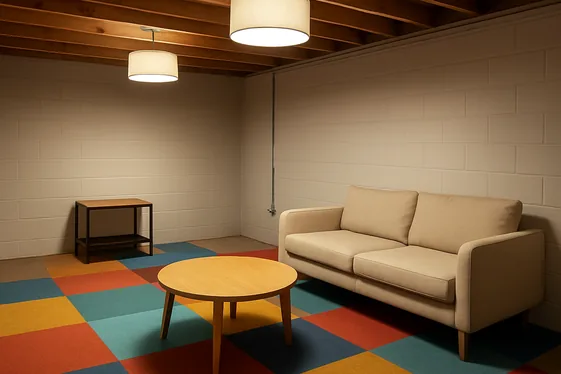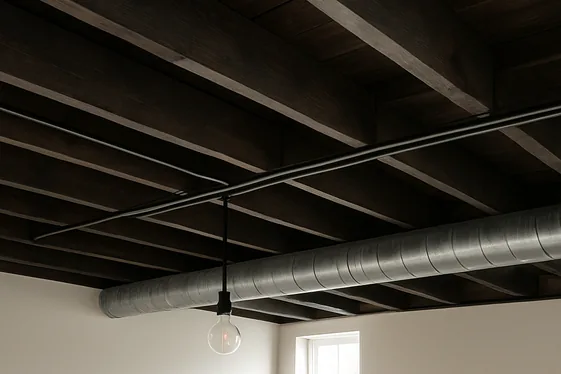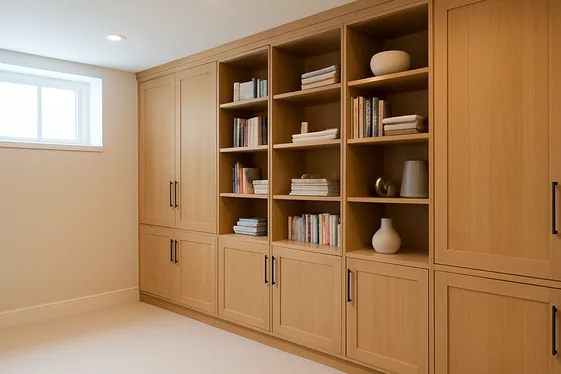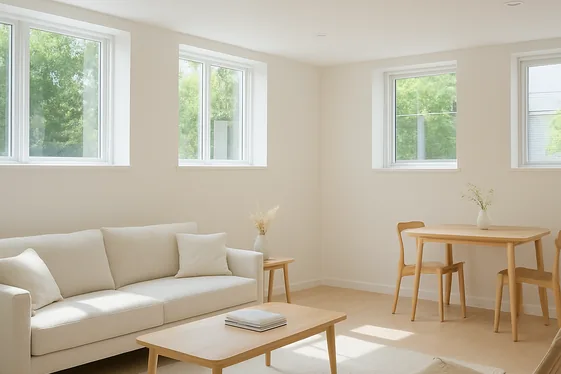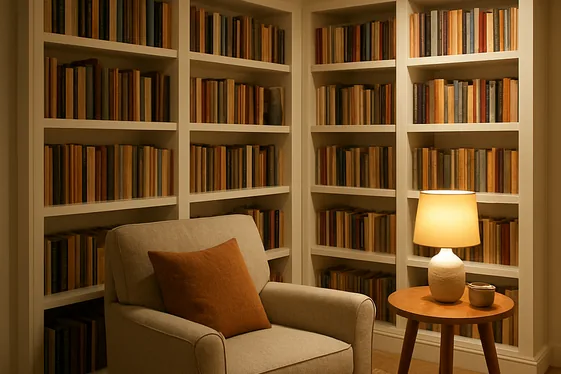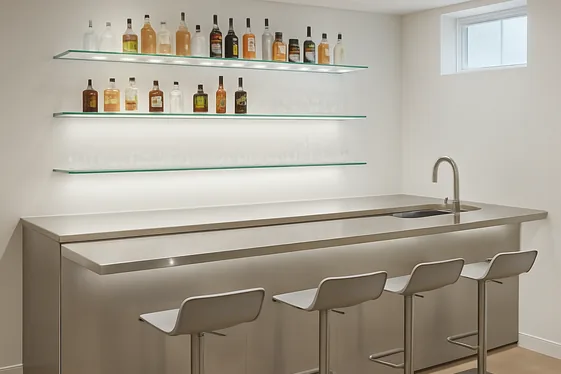
Transforming a basement into a cozy bedroom is one of the smartest ways to maximize your home’s space while adding extra comfort and style. Whether you want a quiet retreat, a guest room, or even a home office combined with sleeping space, a basement bedroom offers a unique opportunity to create a warm, inviting spot away from the main living areas.
This guide dives deep into 13 creative basement bedroom ideas that will inspire you to design a cozy escape tailored to your preferences and lifestyle.
From calming color schemes to clever lighting solutions, we’ll cover everything you need to know to turn that often-overlooked space into the coziest room in your home. With thoughtful touches and practical tips, your basement can become a welcoming bedroom that feels far from the typical cold, dark basement stereotype.
Let’s explore ways to craft a space where you, your family, or guests will want to spend hours relaxing and recharging.
1. Maximize Natural Light for a Brighter Basement Bedroom
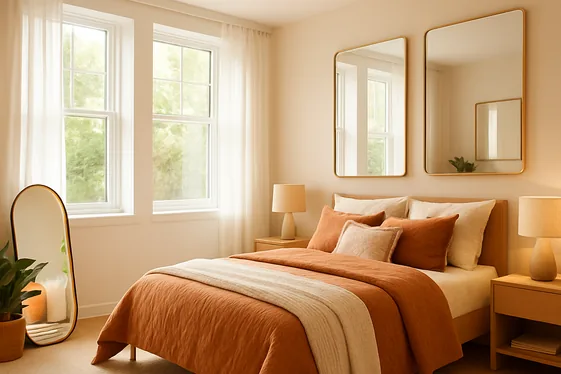
Basements usually have limited natural light, but maximizing what you have can make a huge difference in how cozy and inviting the space feels. Start by evaluating your window size and location. If you’re lucky enough to have egress windows, keep them unobstructed with light-colored window treatments like sheer curtains or blinds that let in daylight while maintaining privacy.
Mirrors placed strategically near windows can bounce sunlight around the room, instantly brightening dark corners. Another approach is to supplement natural light with daylight-balanced LED bulbs that mimic the sun’s warmth. This is especially useful during early mornings or dull days. Choosing light-colored walls and ceilings will reflect more light, enhancing the brightness without costly renovations.
In my experience, combining multiple small windows with reflective surfaces creates the illusion of a larger, airier bedroom tucked below ground level, perfect for a cozy escape. This keeps the idea practical, clear, and easy for readers to use right away. It also adds a little more helpful detail without making the writing sound stiff.
A simple, thoughtful explanation like this helps the whole article feel complete. That balance makes the advice feel more natural, more useful, and easier to follow. This keeps the idea practical, clear, and easy for readers to use right away.
2. Create a Warm Color Palette to Enhance Comfort
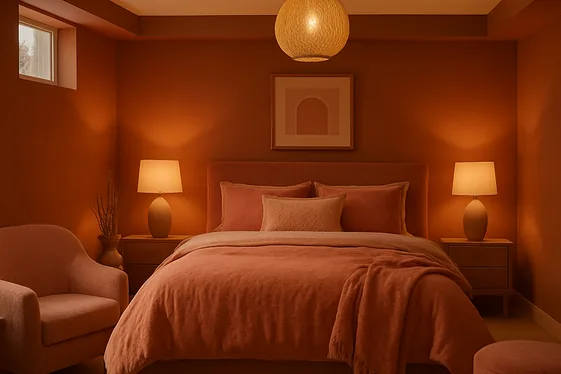
- Pick soft, earthy tones like warm beige, soft taupe, or muted olive green to create a relaxing vibe.
- Avoid stark white walls; cooler shades can make the basement feel cold and uninviting.
- Use accent colors such as warm terracotta or blush pink on smaller walls or décor items to add coziness.
- Paint the ceiling a light color to open up the space visually and prevent a boxed-in feeling.
- Incorporate warm wood finishes on furniture or flooring to complement the palette naturally.
In my experience, choosing the right colors affects not just appearance but mood too. Warm colors tend to make basement rooms feel snug and safe, rather than damp or gloomy. Combining these shades carefully provides a hug-like ambiance where you want to relax after a long day.
Layer color with textiles and artwork to complete the look without overwhelming the senses. This keeps the idea practical, clear, and easy for readers to use right away. It also adds a little more helpful detail without making the writing sound stiff.
A simple, thoughtful explanation like this helps the whole article feel complete. That balance makes the advice feel more natural, more useful, and easier to follow. This keeps the idea practical, clear, and easy for readers to use right away.
3. Add Layered Lighting for Ambiance and Function
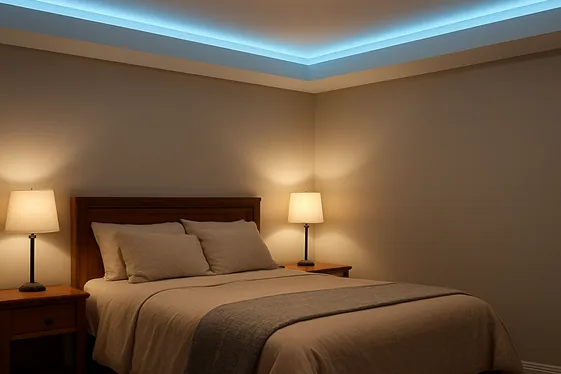
Quick Tip:
Use a mix of ambient, task, and accent lighting to adapt your basement bedroom for different moods and activities. Dimmer switches allow you to adjust brightness easily.
Balancing light sources is essential in a basement bedroom to avoid harsh overhead lights that create shadows. Start with a central ceiling fixture for ambient lighting. Add bedside lamps or wall sconces for reading, and consider LED strip lights under shelves or around headboards for a soft glow. Layered lighting helps zone the room, making it feel warm and versatile.
In small basements, lighting design significantly impacts the atmosphere because natural light is limited. That’s why many experts recommend installing multiple lighting layers rather than relying on one fixture. This approach ensures the room is both functional and inviting. This keeps the idea practical, clear, and easy for readers to use right away.
It also adds a little more helpful detail without making the writing sound stiff. A simple, thoughtful explanation like this helps the whole article feel complete. That balance makes the advice feel more natural, more useful, and easier to follow. This keeps the idea practical, clear, and easy for readers to use right away.
4. Incorporate Soundproofing for Peace and Quiet
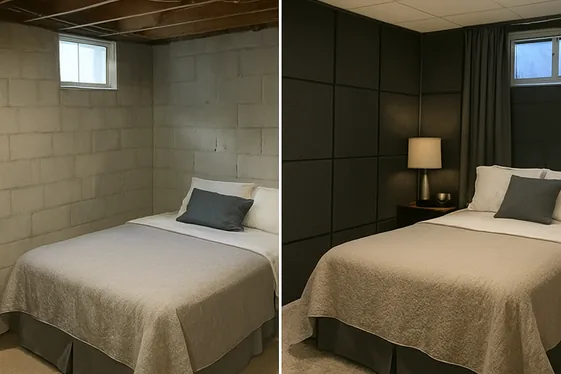
Before: Basements often come with the challenge of unwanted noise from upstairs or outside, making it hard to relax or sleep peacefully. Echoes and vibrations can amplify sounds, disrupting comfort.
After: Adding soundproofing materials like acoustic panels, heavy curtains, or thick rugs can drastically reduce noise. Insulating walls or ceilings with soundproof drywall or foam helps keep the peace.
Quiet environments are crucial for a basement bedroom to feel like a true escape. The difference after soundproofing is striking—noise from daily household activities or street sounds becomes less intrusive. I’ve noticed that a soundproof basement bedroom transforms the space into a sanctuary where you can fully unwind without interruptions, which is key for anyone needing deep rest or concentration.
This keeps the idea practical, clear, and easy for readers to use right away. It also adds a little more helpful detail without making the writing sound stiff.
A simple, thoughtful explanation like this helps the whole article feel complete. That balance makes the advice feel more natural, more useful, and easier to follow. This keeps the idea practical, clear, and easy for readers to use right away.
5. Use Built-In Storage to Save Floor Space
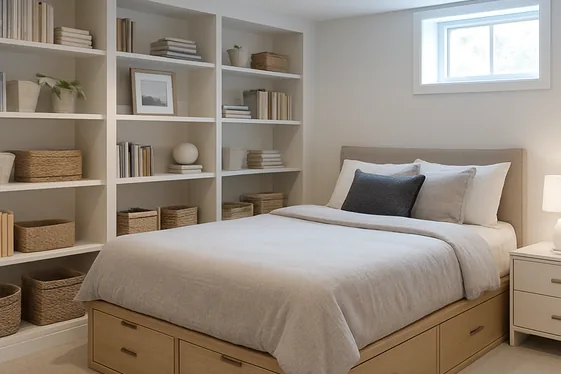
- Assess your basement bedroom layout to identify unused vertical spaces such as walls or corners.
- Design custom built-in shelves or cabinets that fit exactly into these spots, maximizing every inch.
- Install under-bed storage drawers or utilize a platform bed with hidden compartments.
- Add floating shelves above the headboard or along walls for books and decor.
- Keep storage units streamlined and cohesive with the room’s colors to avoid visual clutter.
I’ve seen this work well in many cases because built-in storage clears up floor space vital in smaller basement bedrooms. When everything has a home within walls or under beds, the result is an organized, spacious feeling. This is especially helpful if the basement has awkward angles or limited square footage, offering effective storage without sacrificing room to walk around.
This keeps the idea practical, clear, and easy for readers to use right away. It also adds a little more helpful detail without making the writing sound stiff.
A simple, thoughtful explanation like this helps the whole article feel complete. That balance makes the advice feel more natural, more useful, and easier to follow. This keeps the idea practical, clear, and easy for readers to use right away.
6. Choose Flooring That Feels Inviting and Durable
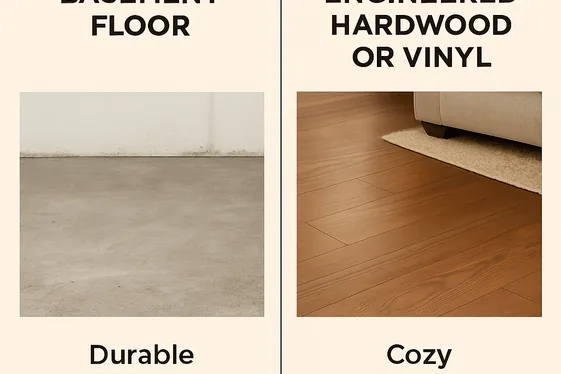
| Point | Old Way | Better Way |
|---|---|---|
| Material Type | Concrete slab | Engineered hardwood or vinyl |
| Warmth | Cold, uninviting | Warm and comfortable underfoot |
| Installation Effort | Quick but bare minimum | Moderate, requires prep |
| Water Resistance | Poor | Excellent (especially vinyl) |
| Maintenance | Easy but looks rough | Easy and aesthetically pleasing |
| Cost | Low | Moderate |
Selecting the right flooring transforms a basement bedroom from chilly to cozy. Engineered hardwood or vinyl plank flooring mimics the visual appeal and warmth of wood while handling basement moisture better than solid wood. I’ve noticed that investing in water-resistant flooring prevents long-term problems like mold, and the added softness improves comfort dramatically.
The payoff is a floor that invites bare feet and complements the cozy design elements throughout the room. This keeps the idea practical, clear, and easy for readers to use right away. It also adds a little more helpful detail without making the writing sound stiff.
A simple, thoughtful explanation like this helps the whole article feel complete. That balance makes the advice feel more natural, more useful, and easier to follow. This keeps the idea practical, clear, and easy for readers to use right away.
7. Select Furniture That Fits the Scale of Your Basement
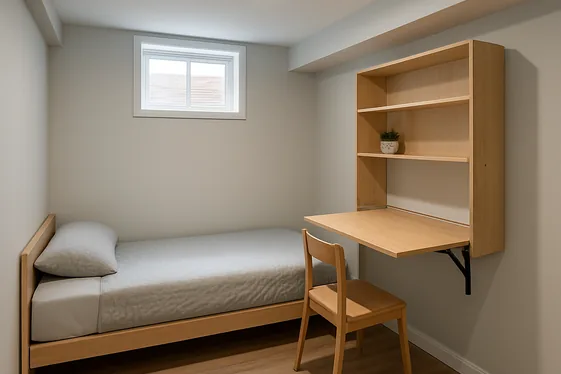
Do:
- Choose compact furniture designed for small spaces, such as narrow beds and slim dressers.
- Opt for multi-functional pieces like a daybed with storage drawers or a fold-down desk.
- Use furniture with exposed legs to keep the room feeling open and airy.
- Measure carefully before buying to avoid overcrowding the room.
Don’t:
- Overload the space with bulky or oversized furnishings that make movement difficult.
- Pick dark, heavy furniture that swallows light and shrinks the room’s feel.
- Neglect circulation paths—leave at least two feet between major pieces for easy navigation.
- Forget to balance style with comfort to promote that cozy vibe you’re aiming for.
Keeping scale in mind is crucial in basement bedrooms to maintain a sense of openness. This creates a welcoming retreat without claustrophobia, letting the basement shine as a restful haven. This keeps the idea practical, clear, and easy for readers to use right away. It also adds a little more helpful detail without making the writing sound stiff.
A simple, thoughtful explanation like this helps the whole article feel complete. That balance makes the advice feel more natural, more useful, and easier to follow. This keeps the idea practical, clear, and easy for readers to use right away.
8. Integrate Cozy Textiles for Softness and Warmth
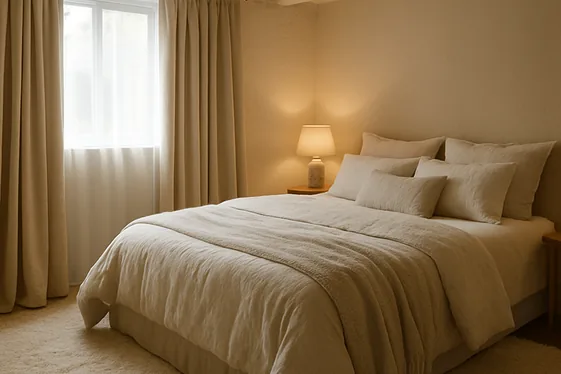
Cost: Moderate
Time: One weekend
Skill Level: Beginner
Best For: Adding instant comfort
Result: Plush, inviting feel that softens hard surfaces and acoustics
Incorporating plush rugs, thick curtains, and layered bedding softens the often-hard edges typical in basements. These textiles add warmth underfoot and help sound absorption while making the space visually tactile. I’ve noticed that soft textures like faux fur throws or chunky knit blankets invite relaxation and encourage you to linger longer.
Curtains in heavier fabrics also help block out unwanted light and add privacy, essential for bedrooms below ground. Textiles are an easy and affordable way to change the atmosphere without major renovations. This keeps the idea practical, clear, and easy for readers to use right away. It also adds a little more helpful detail without making the writing sound stiff.
A simple, thoughtful explanation like this helps the whole article feel complete. That balance makes the advice feel more natural, more useful, and easier to follow. This keeps the idea practical, clear, and easy for readers to use right away.
9. Decorate with Personal Touches to Make It Unique
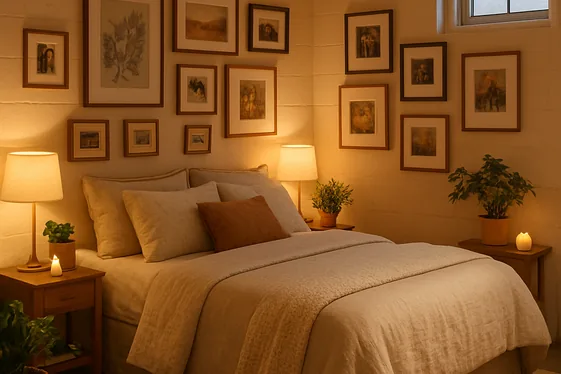
Adding personality with carefully chosen décor transforms a basement bedroom into a memorable retreat. Start with artwork, photos, or prints that tell your story or reflect your style. Small collections like vintage books or unique lamps on bedside tables provide character and familiarity. These elements break up generic basement vibes and create warmth. Low-key items like scented candles, plants, or quirky wall hooks also add charm without crowding the space.
I find that when personal details are layered thoughtfully, basement bedrooms feel lived-in and welcoming rather than sterile or temporary. Your room becomes a reflection of who you are, putting a big stamp of “home” on an otherwise overlooked area. This keeps the idea practical, clear, and easy for readers to use right away.
It also adds a little more helpful detail without making the writing sound stiff. A simple, thoughtful explanation like this helps the whole article feel complete. That balance makes the advice feel more natural, more useful, and easier to follow. This keeps the idea practical, clear, and easy for readers to use right away.
10. Install Large Mirrors to Reflect Light and Space
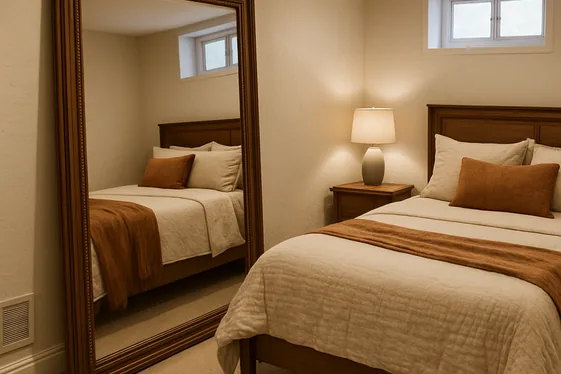
- Place a large mirror opposite a window to maximize natural light reflection.
- Choose full-length mirrors to add height perception and create an illusion of bigger space.
- Select frames that match your room’s style for a cohesive look instead of a disconnected addition.
- Mount mirrors on adjustable swinging arms near the bed for added functionality.
- Be mindful of placement to avoid glare or unwanted reflections of cluttered areas.
Turning basement bedrooms into bright, airy spaces is often about tricking the eye, and mirrors do that beautifully. I’ve noticed that large mirrors especially in narrow or low-ceilinged basements open up the room visually, offering a sense of depth that’s otherwise missing. Beyond aesthetics, a well-placed mirror enhances light during gloomy days—a bonus during cold winter months in many parts of the USA.
This keeps the idea practical, clear, and easy for readers to use right away. It also adds a little more helpful detail without making the writing sound stiff.
A simple, thoughtful explanation like this helps the whole article feel complete. That balance makes the advice feel more natural, more useful, and easier to follow. This keeps the idea practical, clear, and easy for readers to use right away.
11. Design a Separate Entry for Privacy and Independence
Quick Tip:
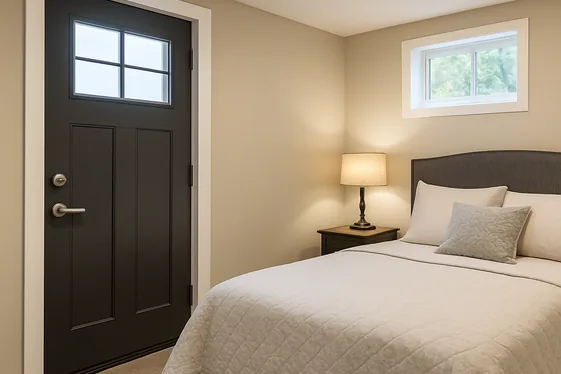
Adding a separate exterior entrance to the basement bedroom boosts privacy and can increase the home’s rental potential or guest convenience.
Creating or renovating a basement with its own door avoids the need to pass through main living areas, providing a true escape for overnight visitors or family members. Ich’ve seen this work well in many cases where homeowners have converted basements into independent suites, perfect for roommates or in-laws. It requires planning to ensure the door blends with the home’s exterior and includes secure locks and weatherproofing.
This setup fosters a sense of independence and privacy that enhance comfort, making the basement bedroom a practical and desirable space for everyone. This keeps the idea practical, clear, and easy for readers to use right away. It also adds a little more helpful detail without making the writing sound stiff.
A simple, thoughtful explanation like this helps the whole article feel complete. That balance makes the advice feel more natural, more useful, and easier to follow. This keeps the idea practical, clear, and easy for readers to use right away.
12. Include Greenery and Natural Elements
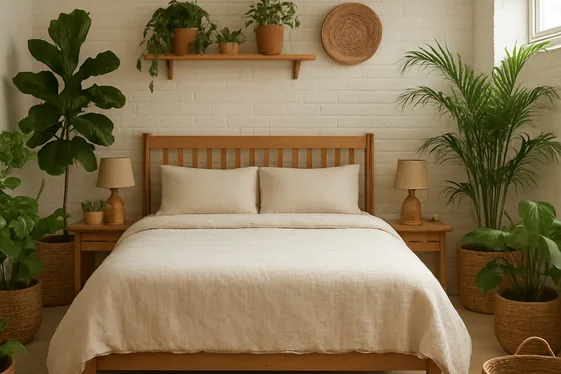
Before: Basements often feel closed off and artificial, lacking the fresh touch that plants and nature bring.
After: Introducing potted plants, hanging greenery, or natural wood accessories immediately livens the room. It adds an earthy vibe and improves air quality.
Nature-inspired décor is crucial for breaking basement dullness. Even faux plants can inject vibrancy and soften the indoor atmosphere. I’ve noticed that incorporating natural elements like wooden furniture, stone accents, or woven baskets pairs beautifully with rustic or modern styles, making the basement bedroom feel more breathable and balanced.
This subtle edge of nature offers calmness that contrasts with basement darkness. This keeps the idea practical, clear, and easy for readers to use right away. It also adds a little more helpful detail without making the writing sound stiff.
A simple, thoughtful explanation like this helps the whole article feel complete. That balance makes the advice feel more natural, more useful, and easier to follow. This keeps the idea practical, clear, and easy for readers to use right away.
13. Set Up a Multipurpose Space for Flexibility
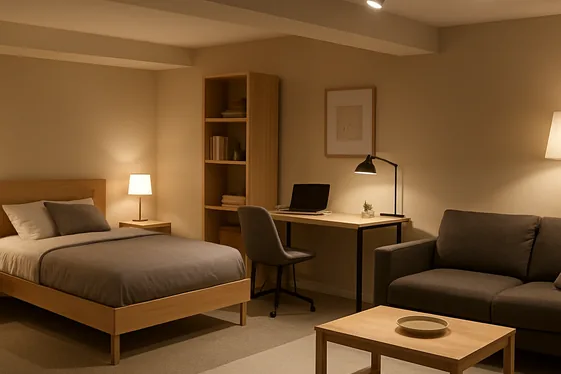
- Identify your needs beyond sleeping—maybe you want a reading nook, workspace, or fitness corner.
- Choose modular furniture like foldable desks, sleeper sofas, or ottomans with storage.
- Designate zones within the basement bedroom using area rugs or low dividers.
- Keep décor minimalist to allow easy shift from one function to another.
- Add smart lighting controls to adjust brightness for various activities.
In my experience, multipurpose basement bedrooms maximize your home’s usability without compromising comfort. This flexibility is crucial for small or rented homes where every square foot counts. The payoff is a space that adapts to life’s changes, ensuring your cozy escape works day and night, for rest or productivity alike. This keeps the idea practical, clear, and easy for readers to use right away.
It also adds a little more helpful detail without making the writing sound stiff. A simple, thoughtful explanation like this helps the whole article feel complete. That balance makes the advice feel more natural, more useful, and easier to follow. This keeps the idea practical, clear, and easy for readers to use right away.
Conclusion
Crafting a cozy basement bedroom can elevate your home’s comfort and usability in a big way. From flooding the space with natural light and layering warm tones to integrating smart storage and soft textiles, every detail contributes to the feel of your escape. Incorporating soundproofing and privacy enhances peace, while personal decorations make the room truly yours.
Natural elements refresh the vibe, and multipurpose layouts offer unmatched flexibility. By paying attention to what suits your basement’s shape, size, and your lifestyle needs, you’ll create a space that’s both practical and inviting.
Remember, a basement bedroom isn’t just about shelter—it’s about crafting your own little haven below ground that welcomes you every time you come home. So pick the ideas that resonate most and start turning your basement into a cozy retreat worth dreaming about.

Sarah Parker is a creative content writer with experience in crafting engaging, reader-friendly, and SEO-optimized content. She specializes in writing blog posts, website copy, social media captions, and digital marketing content across niches including lifestyle, home decor, business, and technology. Her writing style focuses on clarity, audience engagement, and search engine visibility.