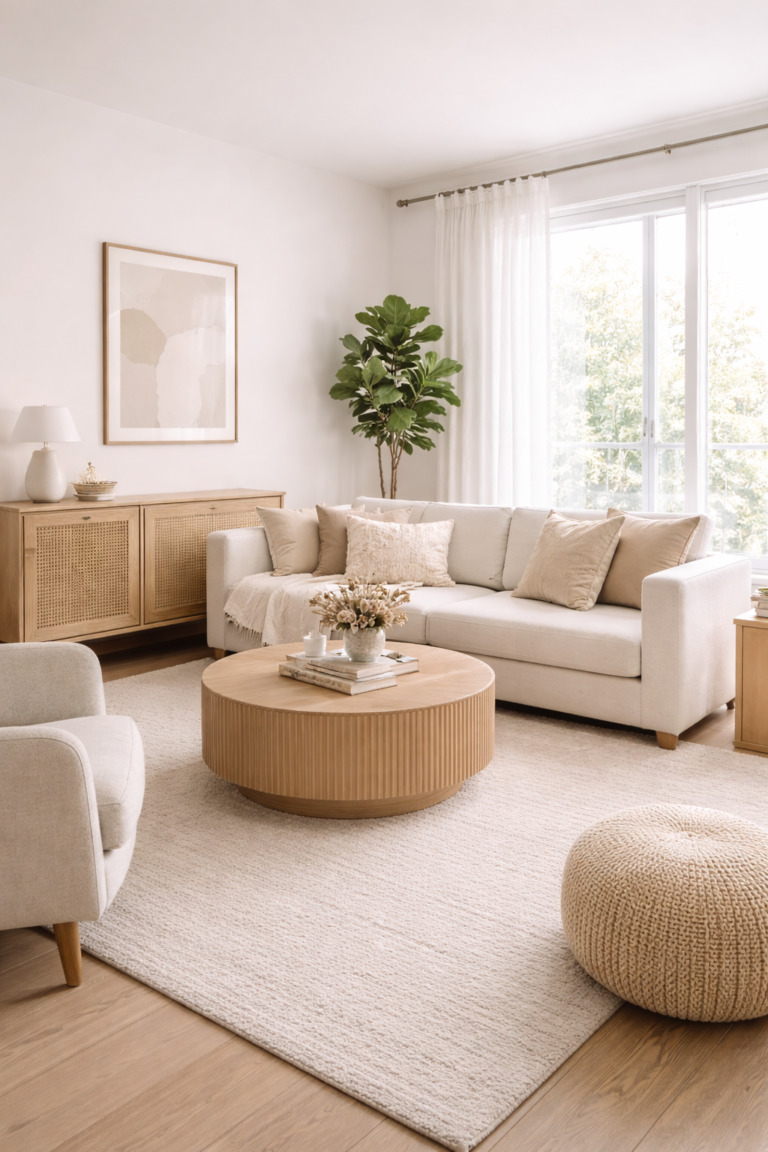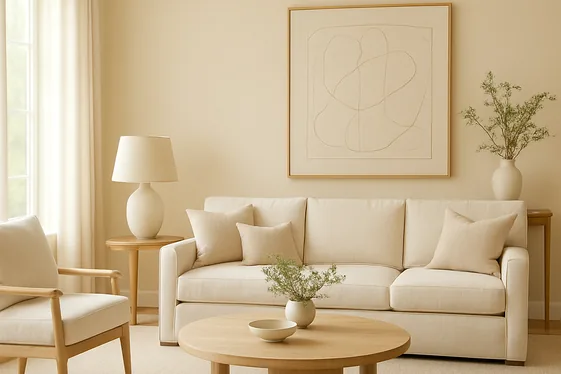
Living rooms are often the heart of the home — where family gathers, plays, and relaxes. But with kids’ toys everywhere, that cozy vibe can quickly feel chaotic. Toy clutter doesn’t have to take over your living space, though.
With smart storage solutions, you can keep toys organized, out of sight, and still within easy reach. In this 2026 guide, we’ll explore 18 living room toy storage ideas tailored for busy homeowners in the USA.
Whether you prefer sleek modern designs or charming hidden compartments, there’s something here to fit your style and needs. From clever furniture to inventive DIY hacks, these ideas will help you tame the mess without sacrificing your room’s aesthetic.
Ready to transform your living room into a clutter-free, stress-free zone? Let’s dive into ideas that will make tidying up simple and sustainable, for parents and kids alike.
1. Built-In Cabinets with Adjustable Shelves
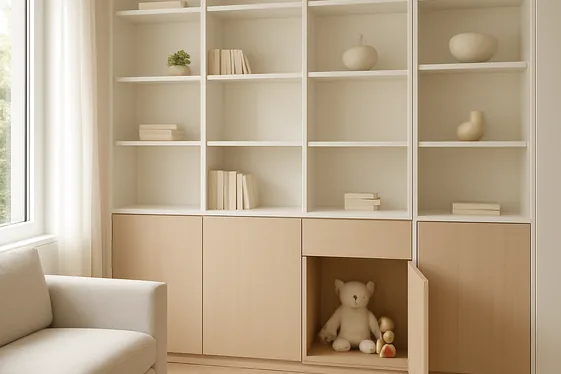
Built-in cabinets with adjustable shelves offer a smart and sleek solution to living room toy storage. These cabinets maximize space by fitting snugly against your walls, blending seamlessly with your room’s design. Adjustable shelves allow you to customize the height and spacing for various toy sizes—from tiny action figures to bulky board games—keeping everything organized without awkward gaps or wasted space.
Consider incorporating doors that close quietly to hide clutter instantly and maintain a calm, tidy atmosphere. Installing these built-ins near common play areas or seating zones makes toy cleanup quick and easy. Opt for durable materials like hardwood or plywood to withstand regular use. You can even add baskets or bins on the shelves for loose pieces and craft supplies, boosting their function.
Just be mindful of the cabinet depth—around 12 to 15 inches typically works well for toy storage without overpowering the room. This approach is best if you’re ready for a small renovation that pays off daily with less mess and more style.
2. Stylish Baskets and Decorative Storage Bins
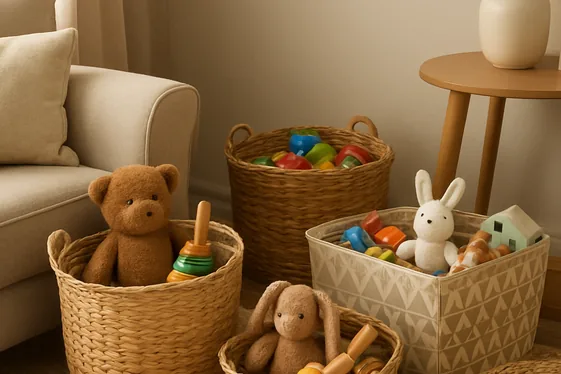
- Choose baskets made from natural materials like wicker or seagrass for a warm, organic touch that blends well with most living rooms.
- Pick decorative bins with lids to keep toys out of sight while protecting them from dust.
- Opt for woven baskets with handles to make moving toys around easier during cleanup time.
- Look for colorful or patterned storage bins to add a playful vibe that complements your decor.
- Stackable storage bins maximize space in corners or next to sofas without creating cluttered spots.
Baskets and bins bring style and function together effortlessly. In my experience, having visually appealing containers encourages kids to put their toys away because it feels like part of the room’s design—not just storage. For best results, place a few baskets near play areas or under side tables to make cleanup a breeze without sacrificing the living room’s aesthetic.
3. Quick Tip: Use Ottoman Storage for Toys
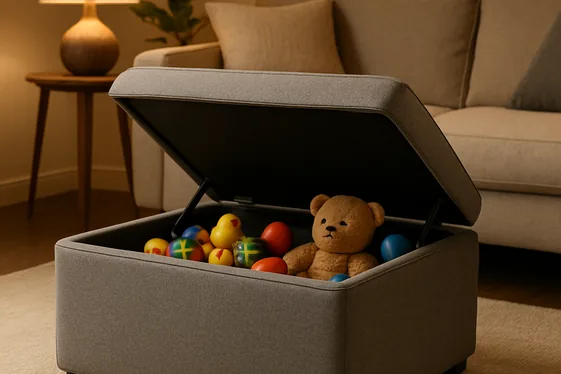
Quick Tip:
Opt for ottoman storage to tuck away toys while adding an extra seat or footrest in your living room. Choose one with a hinged lid or removable top for easy access and ventilation.
Ottomans come in various sizes and styles, fitting seamlessly into your living room layout. Select a durable fabric or leather that can handle daily use, especially if little hands are grabbing toys frequently. Placing a storage ottoman near your couch keeps toys within reach but off the floor, helping maintain a clutter-free hangout spot for both kids and adults.
4. Before and After: Toy Storage Benches
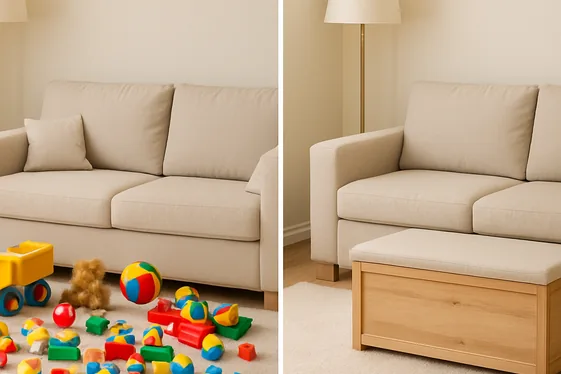
Before: Toys were scattered across the living room floor and piled on the couch, making the space feel chaotic and hard to relax in. The lack of storage meant that tidying up was a frequent and frustrating chore.
After: A toy storage bench now lines one wall, with a cushioned top that invites seating and a flip lid revealing hidden compartments. Toys are neatly tucked away, turning clutter into calm and freeing up floor space instantly.
A storage bench doubles as both an organizer and extra seating without eating into your living room’s footprint. Choose a bench with divided compartments or baskets inside to separate different types of toys, making cleanup faster and more efficient. Plus, a stylish finish blends with your decor, so clutter hides in plain sight—out of mind and out of sight.
5. Numbered Steps: Create a Wall-Mounted Toy Organizer
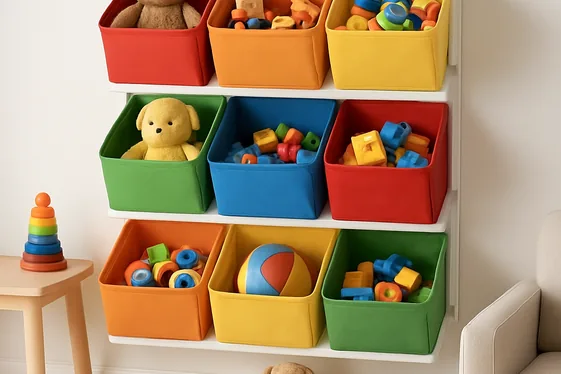
- Choose a sturdy wooden board or repurpose an old shelf about 24 inches wide and 12 inches deep. Sand it down and paint or stain to match your living room decor.
- Attach multiple small bins or baskets along the board’s length using strong hooks or screws, spacing them evenly for different toy sizes.
- Secure the board to a wall at kid-friendly height using heavy-duty wall anchors and screws, making sure it’s firmly mounted to handle daily use.
- Label each bin with colorful tags to encourage kids to sort toys back where they belong.
Mounting a toy organizer on the wall transforms clutter into neat accessibility, freeing floor space instantly. I’ve noticed families appreciate how simple it is to keep toys in sight but out of the way.
Plus, labeling bins can turn tidying up into a fun, teachable moment. This system works best when installed near play spots but away from busy walkways to avoid accidental bumps.
6. Comparison Table: Open Shelves vs. Closed Cubes for Toy Storage
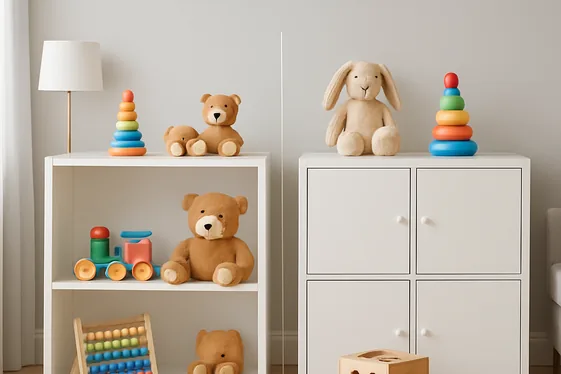
| Point | Open Shelves | Closed Cubes |
|---|---|---|
| Visibility | Toys are out in the open, easy to find | Toys hidden behind doors or bins |
| Cleanliness | Dust can settle on toys easily | Keeps toys dust-free and tidy |
| Accessibility | Quick grab-and-go access | Requires opening doors or lifting lids |
Open shelves make it simple for kids to see and grab their favorite toys, encouraging independence. But, toys can get dusty and look messy fast. Closed cubes keep clutter out of sight and protect toys, which helps the living room stay neat.
Choose open shelves if you want convenience; closed cubes if you prefer a tidier appearance that hides the mess.
7. Do and Don’t List: Organizing Toys by Size and Type
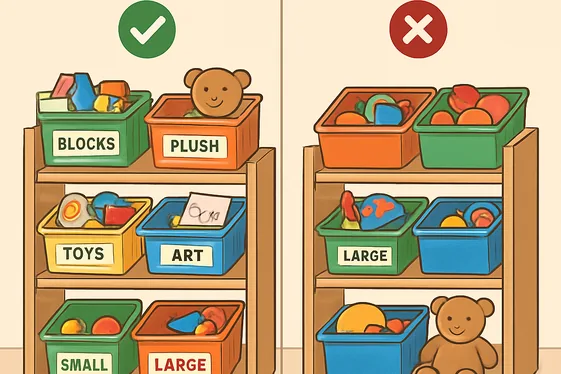
Do:
- Group toys by size before sorting to fit storage bins properly.
- Use clear containers with labels for each toy type—cars, blocks, dolls, etc.
- Stack smaller toys in drawers or trays to avoid lost pieces.
- Keep frequently used toys in easy-to-reach spots for quick cleanup.
Don’t:
- Stuff all toys into one giant container—it becomes a messy toy pit.
- Mix large and tiny toys together; finding small pieces will be a hassle.
- Use opaque bins without labels, which hide toys and confuse kids.
- Ignore toy rotation; overcrowding storage makes tidying impossible.
Keeping toys organized by size and type saves space and keeps your living room tidy. Clear labels and sorted bins help kids know where each toy belongs, speeding up cleanup time. Avoid mixing sizes or overfilling bins, or you’ll end up with frustration instead of order. Make sorting part of your routine, and your living room will stay clutter-free longer.
8. Quick Facts: Vertical Storage Solutions for Living Rooms
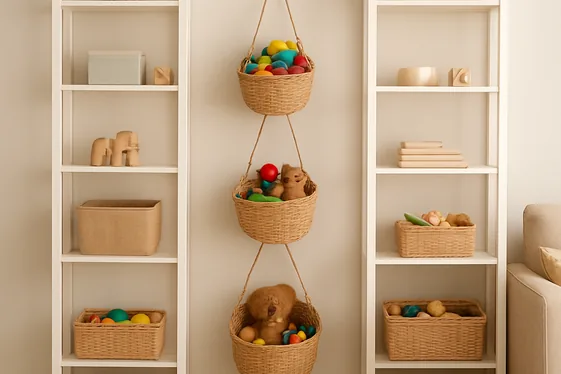
Cost: Moderate
Time: Few hours
Skill Level: Intermediate
Best For: Small to medium spaces
Tall shelves, wall-mounted cubbies, and narrow bookcases use vertical space to keep toys off the floor and out of sight. Position these around seating areas or near play zones so kids have easy access without clutter crowding your living room. Adding baskets or bins inside the shelves keeps smaller items contained and organized, reducing mess.
Just make sure your vertical storage is sturdy and anchored properly to avoid tipping—especially in homes with little climbers. Stack items thoughtfully while keeping frequently played-with toys within reach. Vertical solutions free up floor space, making your living room feel bigger and tidier at the same time.
9. Multi-Functional Furniture with Hidden Compartments
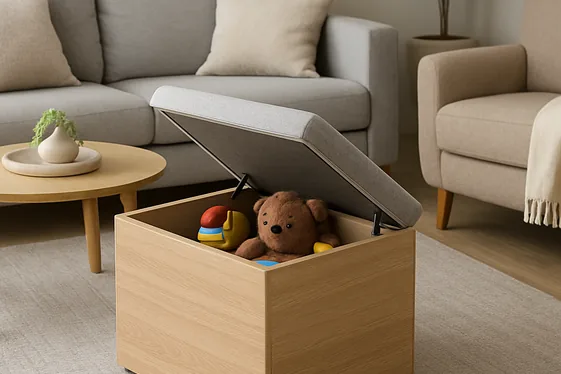
Multi-functional furniture with hidden compartments transforms pieces like ottomans, coffee tables, or benches into smart storage solutions. A coffee table with a lift-up top reveals a roomy space for toys, while an ottoman with a hinged lid hides small cars, blocks, or stuffed animals out of sight. In my experience, these dual-purpose items keep the living room tidy without sacrificing style or comfort.
They blend seamlessly with existing décor, making clutter disappear without shouting, “Toy storage!” Look for furniture crafted with durable materials and smooth hinges that open easily but stay tightly closed when needed. Even a simple bench with under-seat storage can keep books and board games hidden yet accessible for playtime.
I’ve seen this work well in many cases where families need quick cleanup before guests arrive, offering an instant room refresh without extra effort. These clever pieces not only save space but add a bit of surprise to everyday living areas.
10. Bullet Points: Tips for Using Clear Plastic Containers
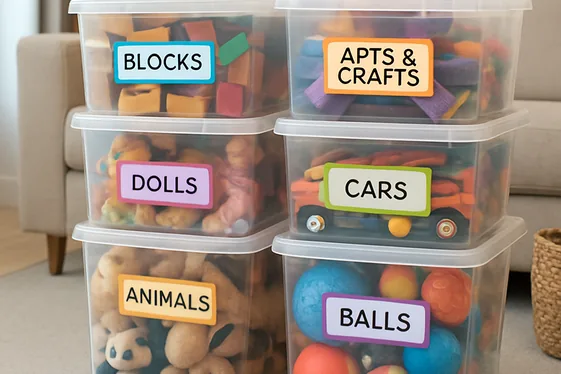
- Choose containers with lids to keep dust off toys and stack them neatly on shelves, saving floor space.
- Label each container with clear, simple tags to quickly find what you need without opening every box.
- Sort toys by category or size before packing them to make cleanups faster and more efficient.
- Opt for containers with handles to make it easier to pull them out and carry to different rooms or storage spots.
- Avoid overfilling the containers; toys packed too tightly can be hard to access and may cause damage.
Clear plastic containers offer a smart way to keep living rooms clutter-free while letting you see inside at a glance. By labeling and sorting toys thoughtfully, the storage process becomes a breeze for both kids and adults.
Stackable bins fit easily into shelves or closets, freeing up floor space and reducing mess. Just remember to pick sizes that suit your toy collection and avoid cramming too much in one container.
11. Quick Tip: Label Toy Bins for Easy Cleanup
Quick Tip:
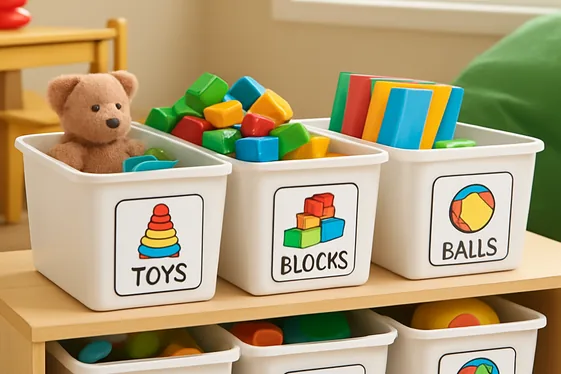
Label Toy Bins for Easy Cleanup Clear labels on toy bins save time and reduce stress during toy tidy-up. Use simple words or pictures to mark bins for blocks, dolls, cars, and more. This helps kids put things away quickly and keeps your living room looking neat.
Labeling toy bins lets everyone know exactly where each toy belongs, so cleanup becomes a breeze. Choose sturdy bins with smooth surfaces where you can stick printed or handwritten labels. Place them at kid’s eye level to encourage independence. Consistent labeling keeps clutter contained and makes it easier to spot missing toys without losing your cool.
12. Before and After: Convertible Coffee Tables with Storage
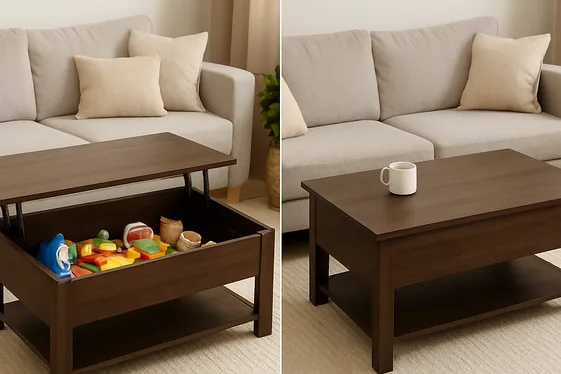
Before: The living room was cluttered with toys scattered around, leaving little space to relax or entertain guests. Toy bins took up extra room, making the space feel cramped and uninviting.
After: After swapping out a bulky coffee table for a convertible coffee table with storage, the toys found a neat hiding spot. The table lifts up or expands, giving easy access to the hidden toys while freeing up surface space for drinks or snacks.
Convertible coffee tables with built-in storage boost living room functionality by combining style and practicality. Choose a sturdy table with enough interior space to hold various toys, from puzzles to action figures.
These tables often double as extra seating or work surfaces when raised, keeping clutter out of sight but within reach. Perfect for keeping playtime contained without sacrificing design or utility.
13. Numbered Steps: DIY Hanging Toy Storage Bags
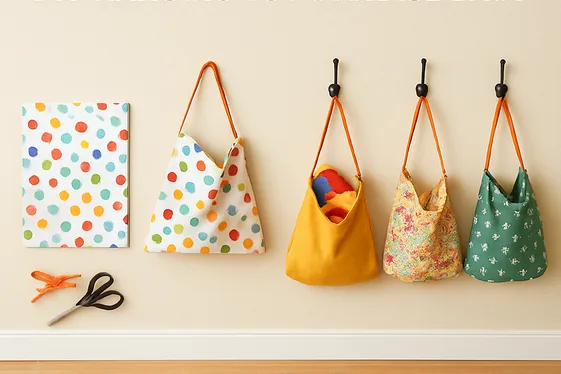
- Cut durable fabric into large rectangles, about 18 by 24 inches, to create roomy storage bags.
- Sew a sturdy loop at the top center of each bag for hanging, reinforcing with extra stitching.
- Attach wall hooks or a tension rod near your play area and hang the bags by their loops.
- Sort toys by size or type, placing them inside the hanging bags for easy access.
Many homeowners find that hanging toy bags free up floor space and keep toys within reach but out of sight. In my experience, labeling each bag with fabric markers or iron-on tags speeds up clean-up time and helps kids know exactly where their toys belong.
That’s why many experts recommend fabric bags—they’re soft, washable, and don’t scratch walls or furniture. Make sure the hooks you choose can hold the weight of the toys to avoid surprises.
14. Comparison Table: Foldable Toy Storage vs. Permanent Units
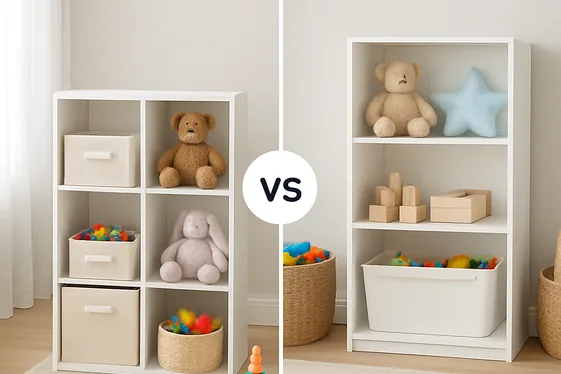
| Comparison Point | Foldable Toy Storage | Permanent Units |
|---|---|---|
| Flexibility | Easy to move and fold away when not in use | Fixed location, takes up permanent space |
| Capacity | Usually smaller, ideal for quick cleanups | Larger, holds more toys and supplies |
| Installation & Setup | No tools needed, ready to use right away | Requires assembly or professional installation |
Foldable toy storage shines when you want something quick and flexible—great for small living rooms or multi-use spaces. Permanent units, by contrast, suit families needing big storage and don’t mind the commitment. Balance your space and lifestyle before choosing; neither is wrong, just built for different needs.
15. Do and Don’t List: Maintaining Toy Storage Systems
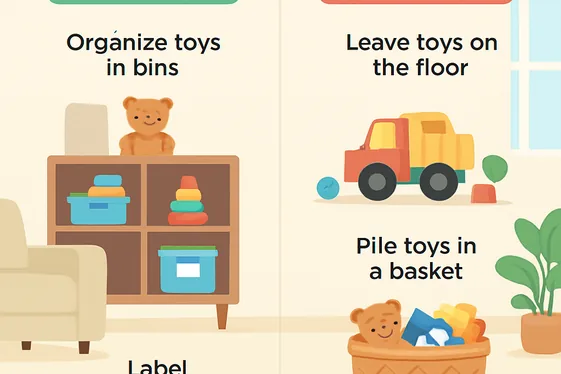
Do:
- Sort toys by size and type before storing.
- Label storage bins clearly for easy access.
- Set a weekly tidy-up routine with kids.
- Use storage solutions that fit the room’s style.
Don’t:
- Overstuff bins, making lids hard to close.
- Leave toys scattered after use—build habits early.
- Use open baskets for tiny parts that easily spill.
- Ignore worn-out storage organizers—replace when needed.
Keeping your toy storage system effective means consistency. Sorting toys regularly keeps clutter manageable and makes finding favorites simple. Labeling bins saves time and reduces frustration during playtime or cleanup. A set routine teaches kids responsibility while maintaining order.
Avoid overloading boxes or letting mess pile up—it defeats the purpose and creates frustration for everyone involved. Regularly check your containers to swap out anything broken or too small for the toys growing inside.
16. Quick Facts: Benefits of Toy Storage Furniture with Wheels
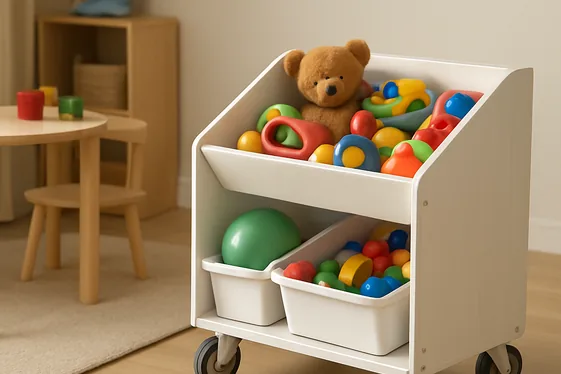
Cost: Moderate
Mobility: High
Skill Level: Easy
Best For: Multi-purpose living spaces
Toy storage furniture with wheels brings easy mobility to your living room cleanup. Rolling bins, chests, or benches let you move toys out of sight quickly, even to another room. In my experience, this flexibility helps parents keep clutter under control during busy days and hectic playtimes.
The ability to reposition storage also means less permanent impact on room layout, ideal for adaptable family living spaces. Just be sure to lock wheels when stationary to prevent slipping or accidents.
17. Corner Shelves for Small Toy Collections
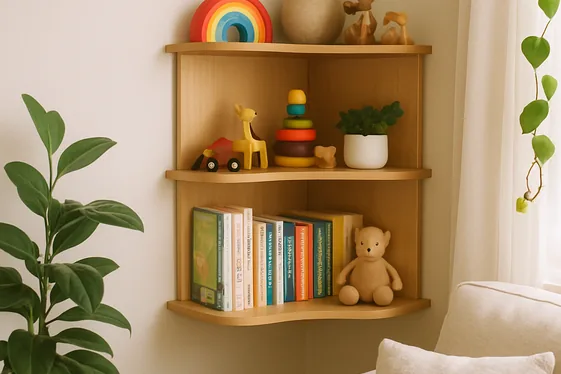
Corner shelves make brilliant hideouts for small toy collections in living rooms with limited space. Opt for triangular or floating shelves that fit snugly into room corners, turning usually wasted spots into organized nooks. Choose shelves about 12 to 15 inches deep to hold books, little figurines, or puzzles without overcrowding the area.
Mount them at kid-friendly heights to encourage easy toy access and quick cleanups. Paint shelves in bright colors or neat white to blend with your decor or add a playful pop. Arrange toys by category or size to create a visually pleasing display that doubles as storage.
Avoid overcrowding shelves to prevent toys from falling off and creating more mess. This setup invites kids to keep their favorite items out yet neatly contained. Quick Tip: Label each shelf or add decorative baskets on lower tiers for an extra layer of order and style.
18. Bullet Points: Repurposed Furniture for Toy Storage
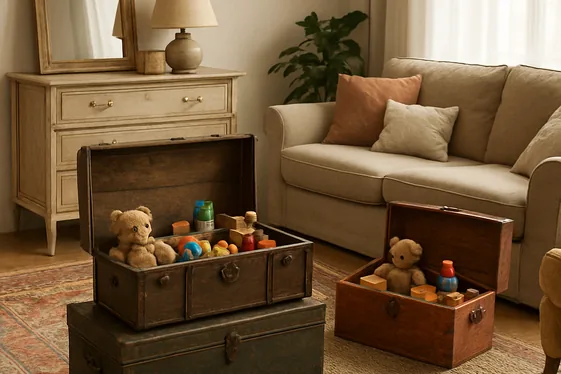
- Old dressers can be transformed into charming toy storage by adding colorful bins or baskets for quick access.
- Turn an unused bookshelf into a toy display and storage unit by placing labeled baskets on each shelf to separate toys by type.
- Repurpose a wooden chest or trunk as a combined coffee table and toy box, keeping toys out of sight when closed.
- Convert an old TV stand with open shelves into cubbies for toys, wrapping cords and equipment safely out of reach.
- Attach hooks or small shelves to the sides of repurposed furniture to hang bags or baskets for smaller toys and art supplies.
Breathing new life into old furniture not only keeps toys organized but can add character to your living room. Choosing pieces with sturdy storage capacity lets you hide clutter without buying extra units.
It’s also eco-friendly and budget-savvy. Just ensure repurposed pieces are safe for children—sand down rough edges and use non-toxic paint for a seamless fit into your family space.
Conclusion
Creating a clutter-free living room around toys is entirely achievable with the right strategies. From built-in cabinets and multi-functional furniture to creative DIY organizers and clever use of corners, there are solutions for every homeowner’s style and space. Establishing clear sorting methods and labeling systems can turn cleanup from a chore into a habit for kids.
Mobility and versatility become game-changers in active households, while decorative storage adds to your room’s charm. By mixing permanent setups with adaptable pieces, you gain flexibility as your family evolves.
Consider your space, lifestyle, and aesthetics to choose options that fit best. Remember, a tidy living room means more relaxation and quality time together, so pick a storage plan that keeps toys contained without sidelining your style.

Sarah Parker is a creative content writer with experience in crafting engaging, reader-friendly, and SEO-optimized content. She specializes in writing blog posts, website copy, social media captions, and digital marketing content across niches including lifestyle, home decor, business, and technology. Her writing style focuses on clarity, audience engagement, and search engine visibility.