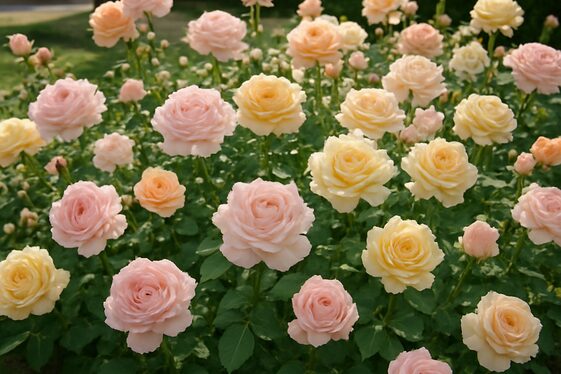
18 DIY Trellis Ideas for Every Garden Guide
If you’re looking to elevate your garden this year, a DIY trellis can be the perfect blend of function and style. Whether you want to support climbing plants, save space, or add a focal point to your yard, trellises help your garden grow upward, creating stunning vertical displays.
The great news? Building your own trellis doesn’t have to be complicated or pricey. From rustic wood designs to sleek metal frameworks, there’s an option for every skill level and garden vibe. In this guide, we’re diving into 18 creative DIY trellis ideas that homeowners across the USA can easily create in 2026.
Each idea is modern, approachable, and tailored for a variety of spaces—whether you have a sprawling backyard or a cozy balcony garden. We’ll explore classic shapes, innovative materials, and clever repurposing projects. Ready to let your plants climb and thrive?
Let’s get started with these inspiring, practical trellis ideas that are sure to breathe new life into your garden! This keeps the idea practical, clear, and easy for readers to use right away. It also adds a little more helpful detail without making the writing sound stiff.
1. Classic Wooden Lattice Trellis for Timeless Charm
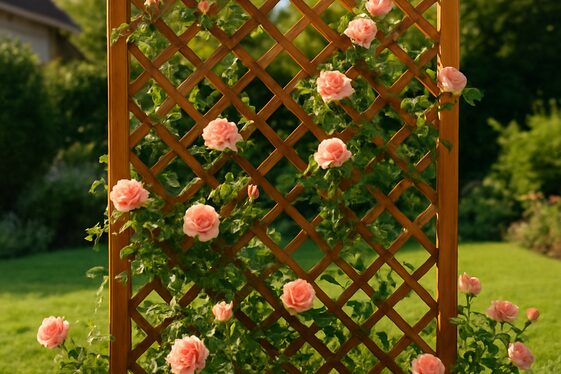
A classic wooden lattice trellis is a go-to for gardeners who love a timeless, elegant look. Made from thin wooden strips laid crisscross, it offers great airflow and support for climbing plants like roses, ivy, and clematis. You can customize the size and stain it to match your garden’s style, blending perfectly into anything from cottage gardens to modern backyards.
It’s also simple to build with basic woodworking skills and common tools. Installing this type of trellis along a fence or as a free-standing piece creates cozy nooks or privacy screens.
The lattice pattern provides plenty of grip for vines without overwhelming your garden’s natural feel. Plus, its open design keeps plants from becoming too shaded, encouraging healthy growth.
Whether you want to grow sweet peas or grapes, a wooden lattice trellis is a reliable, stylish choice all year round. This keeps the idea practical, clear, and easy for readers to use right away.
2. Rustic Branch Trellis for a Natural Look
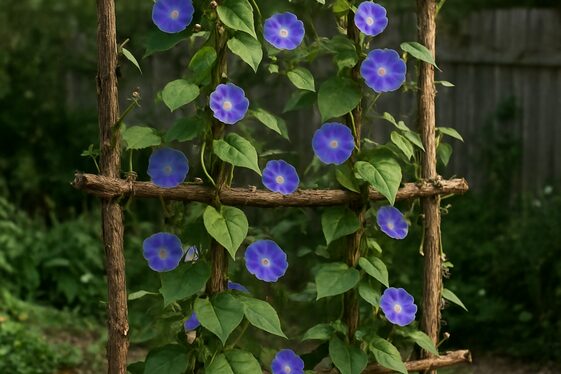
A rustic branch trellis is a charming way to incorporate nature right into your garden structure. Collecting sturdy branches or small tree limbs can give you the raw materials for a trellis that feels organic and handcrafted. This type of trellis brings a relaxed, woodland vibe to your space while supporting a variety of climbers like morning glories or beans.
Making a branch trellis is a straightforward project that requires minimal cutting and no fancy fittings—just some twine or screws to hold the branches together.
It *really* shines in gardens with earth-toned themes or wildflower beds. Plus, using fallen branches promotes sustainability by repurposing natural debris instead of buying new lumber. This keeps the idea practical, clear, and easy for readers to use right away.
It also adds a little more helpful detail without making the writing sound stiff. A simple, thoughtful explanation like this helps the whole article feel complete.
3. Metal Rod Trellis for a Modern Edge
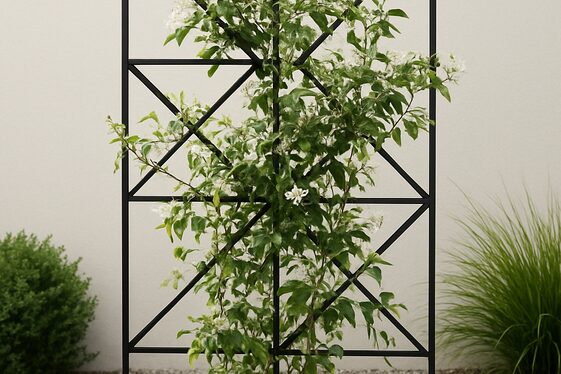
For a sleek, contemporary look, metal rod trellises are hard to beat. Thin steel or aluminum rods can be welded or fastened to form geometric shapes like grids, triangles, or even abstract designs. These trellises add industrial flair and durability that withstands wind, rain, and wear better than wood or plastic.
Metal rod trellises tend to be lighter and less bulky, making them easy to move around your garden or reposition seasonally.
Plus, they complement minimalist outdoor spaces and modern homes, especially when painted matte black or dark gray. Pair them with climbing vines like jasmine or honeysuckle for a fresh, clean aesthetic. This keeps the idea practical, clear, and easy for readers to use right away.
It also adds a little more helpful detail without making the writing sound stiff. A simple, thoughtful explanation like this helps the whole article feel complete.
4. PVC Pipe Trellis for an Affordable Build
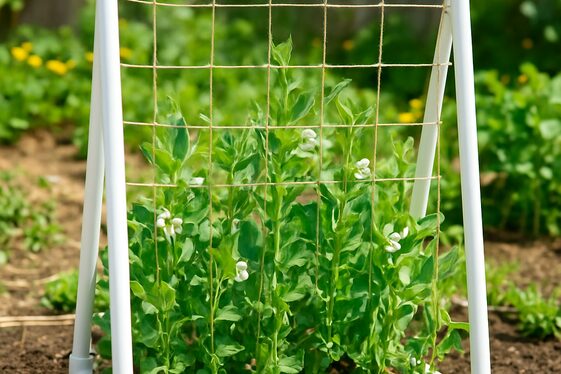
If budget is a concern, PVC pipe trellises are unbeatable for low cost and DIY ease. PVC pipes are lightweight, weather-resistant, and widely available at hardware stores. You can assemble them into rectangles, arches, or A-frame trellises using basic connectors and PVC glue, then paint to add personality.
PVC trellises work great for lightweight plants like peas, cucumbers, or sweet peas. They’re also kid-friendly projects since there’s no need for power tools, making them perfect for family gardens.
When it’s time to retire it, PVC can be recycled, adding an eco-savvy angle to your garden design. This keeps the idea practical, clear, and easy for readers to use right away. It also adds a little more helpful detail without making the writing sound stiff.
A simple, thoughtful explanation like this helps the whole article feel complete. That balance makes the advice feel more natural, more useful, and easier to follow.
5. Bamboo Trellis for Eco-Friendly Gardening
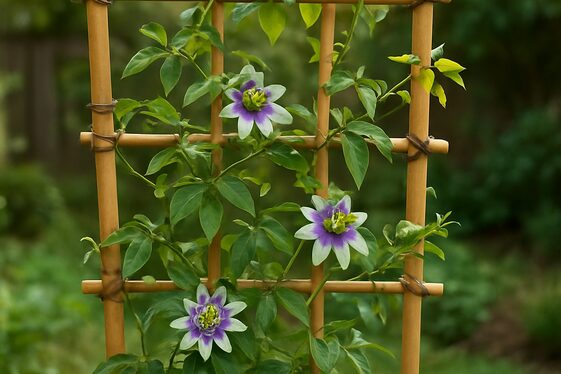
Bamboo trellises fit perfectly with eco-friendly gardening styles and Asian-inspired aesthetics. Bamboo grows fast and is incredibly strong, which makes it a fantastic sustainable material for climbing supports. You can buy bamboo poles or harvest them if you have access, then lash or tie them together into various shapes.
Bamboo’s natural look blends effortlessly with leafy greens and vibrantly colored flowers alike. Its hollow structure allows airflow while offering plenty of strength for heavy vines like passionflower or grapevines.
A bamboo trellis brings zen vibes and durability to any garden space in 2026. This keeps the idea practical, clear, and easy for readers to use right away. It also adds a little more helpful detail without making the writing sound stiff.
A simple, thoughtful explanation like this helps the whole article feel complete. That balance makes the advice feel more natural, more useful, and easier to follow.
6. Ladder Trellis for Vertical Vegetable Growing
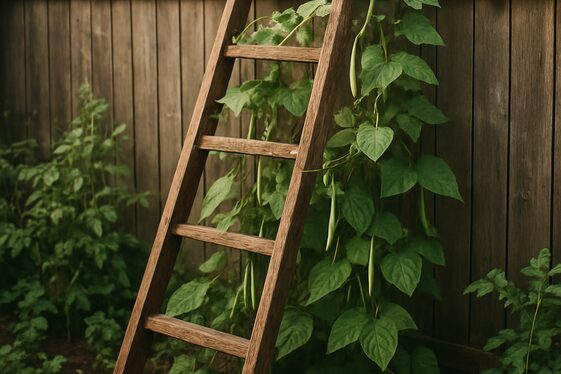
Using an old wooden ladder as a trellis is a fantastic way to go vertical, especially for those short on space. Lean an old ladder against a wall, fence, or even secure it standing upright for your plants to climb.
It’s perfect for peas, beans, or morning glory flowers that need a little climbing structure. This idea doubles as charming garden décor, adding a touch of vintage flair. Ladder trellises are super easy to move or store when you need space for other garden projects.
Plus, if you paint or distress the ladder, you can match it to your garden’s design theme creatively. This keeps the idea practical, clear, and easy for readers to use right away.
It also adds a little more helpful detail without making the writing sound stiff. A simple, thoughtful explanation like this helps the whole article feel complete.
7. Wire Mesh Trellis for Climbing Flowers
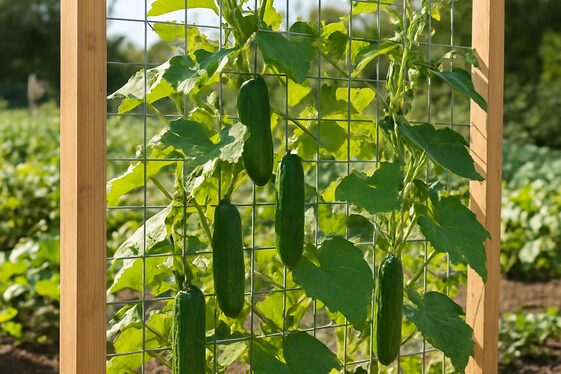
Wire mesh trellises bring a minimalist, almost invisible structure that allows plants to shine front and center. Sturdy wire grids or fencing panels can be stretched vertically along walls or free-standing frames. They’re excellent for beans, cucumbers, and flowering vines that need strong, extensive support.
Wire mesh is low maintenance and durable, resistant to rot and pests, making it ideal for long-term garden setups. You can easily attach the mesh to wood or metal frames for customized sizes.
Plus, their clean lines suit modern garden designs and urban patios beautifully. This keeps the idea practical, clear, and easy for readers to use right away. It also adds a little more helpful detail without making the writing sound stiff.
A simple, thoughtful explanation like this helps the whole article feel complete. That balance makes the advice feel more natural, more useful, and easier to follow.
8. Old Pallet Trellis for Upcycled Style
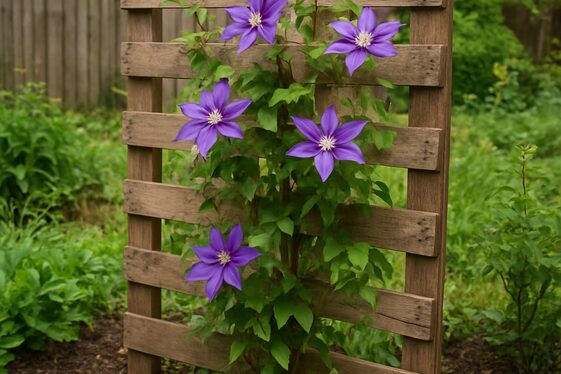
Old pallets can be transformed into charming, rustic trellises with a little imagination and some elbow grease. Simply stand a clean, sturdy pallet upright and lean it against a wall or fence. The natural slats create perfect gaps for climbing plants to grip while reducing waste by repurposing materials.
This budget-friendly option works great for climbing flowers like nasturtiums and clematis or even lightweight vegetables. Pallet trellises add a bit of industrial chic to your garden and can be painted or left natural for contrast.
It’s ideal for anyone who loves upcycling and sustainable gardening in the USA. This keeps the idea practical, clear, and easy for readers to use right away. It also adds a little more helpful detail without making the writing sound stiff.
A simple, thoughtful explanation like this helps the whole article feel complete. That balance makes the advice feel more natural, more useful, and easier to follow.
9. Arched Trellis for a Garden Entrance
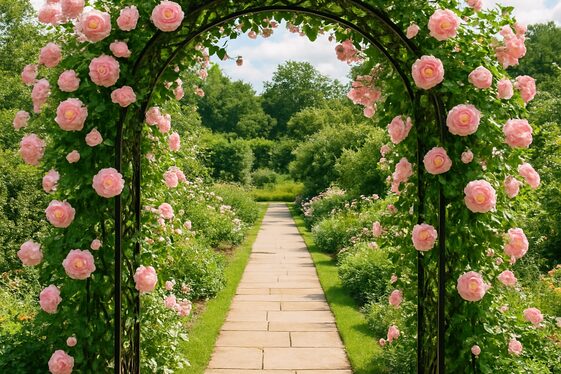
Creating an arched trellis for your garden entrance turns a simple doorway into a magical gateway of greenery. Arched trellises can be crafted from metal, wood, or PVC and offer elegant support for heavier plants like climbing roses or wisteria.
This structure invites visitors into your garden with a gorgeous statement piece. The arch shape allows plants to grow overhead, creating natural shade and a cozy feeling. It’s a classic yet whimsical addition to entryways, patios, or large garden paths.
Building an arched trellis may require a bit more skill, but DIYers willing to take on the challenge get stunning results. This keeps the idea practical, clear, and easy for readers to use right away. It also adds a little more helpful detail without making the writing sound stiff.
A simple, thoughtful explanation like this helps the whole article feel complete. That balance makes the advice feel more natural, more useful, and easier to follow.
10. String-and-Post Trellis for Easy Setup
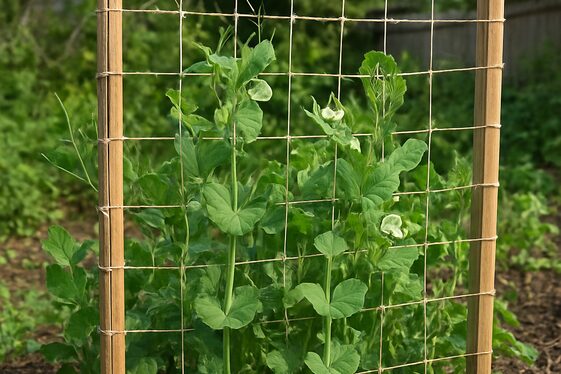
String-and-post trellises are easy, flexible solutions for gardeners needing quick, adjustable climbing supports. Simply hammer posts or stakes into the ground, then weave strong garden twine or wire horizontally and vertically between them. Plants like peas, cucumbers, and pole beans thrive on this simple grid.
This setup can be customized for tight spaces or sprawling vegetable patches. You can add or remove strings as plants grow or fix broken lines without dismantling the entire structure. It’s a no-fuss method that lets you design your trellis size on the fly, perfect for new gardeners or those experimenting with vertical planting.
This keeps the idea practical, clear, and easy for readers to use right away. It also adds a little more helpful detail without making the writing sound stiff.
A simple, thoughtful explanation like this helps the whole article feel complete. That balance makes the advice feel more natural, more useful, and easier to follow.
11. Herringbone Pattern Trellis for Visual Interest
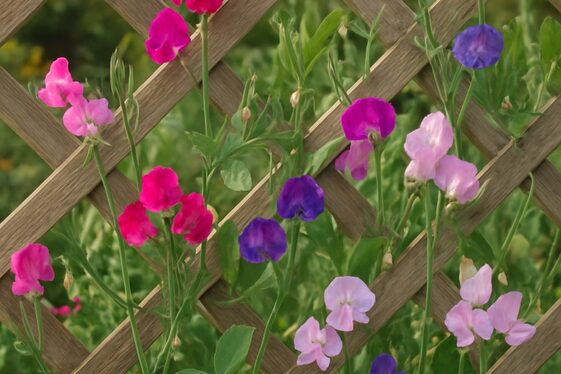
Add some artistic flair with a herringbone pattern trellis—where wooden slats are arranged diagonally in alternating directions. This eye-catching style creates a dynamic backdrop for climbing plants, combining function with exceptional aesthetics. It works well with flowers like clematis, honeysuckle, and sweet peas.
Crafting a herringbone trellis involves more precise cutting and nailing, but the results are well worth the effort. The pattern adds texture and sophistication, making it perfect for decorative garden walls or privacy screens.
It’s a fresh way to upgrade a simple trellis into garden art in 2026. This keeps the idea practical, clear, and easy for readers to use right away. It also adds a little more helpful detail without making the writing sound stiff.
A simple, thoughtful explanation like this helps the whole article feel complete. That balance makes the advice feel more natural, more useful, and easier to follow.
12. Woven Willow Trellis for Artistic Flair
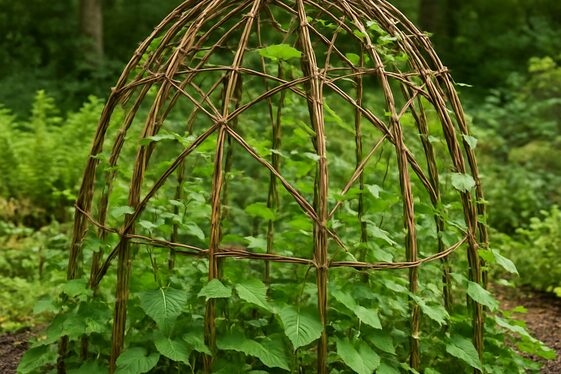
Woven willow trellises are not only stunning but also a centuries-old gardener’s craft. Flexible willow branches are woven tightly around upright stakes, forming highly organic shapes such as domes, tunnels, or simple fences. This technique works great for both practical plant support and whimsical garden features.
Willow trellises require some patience and a bit of skill to weave the living or dried branches, but they add a unique handmade touch to your garden space.
They’re perfect for peas, beans, and other climbers, blending seamlessly into cottage gardens or naturalistic plantings. This keeps the idea practical, clear, and easy for readers to use right away. It also adds a little more helpful detail without making the writing sound stiff.
A simple, thoughtful explanation like this helps the whole article feel complete. That balance makes the advice feel more natural, more useful, and easier to follow.
13. Metal Rebar Trellis for Heavy-Duty Support
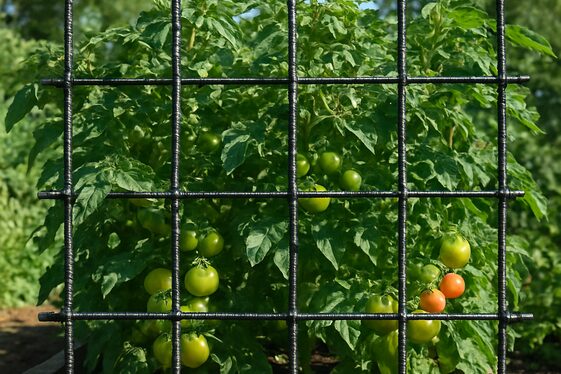
For heavy-duty support, look no further than metal rebar trellises. These are especially useful for supporting large vegetable plants, like tomatoes, or vigorous vines that get heavy with fruits. Metal rebar is strong, durable, and inexpensive, making it a reliable DIY option for rugged garden setups.
Rebar trellises often form sturdy grids or cages and can be easily customized to any height or width. You’ll just need basic tools like wire and pliers for assembly.
This type of trellis stands up to storms and rough weather and provides solid structure for large-scale gardening efforts. This keeps the idea practical, clear, and easy for readers to use right away. It also adds a little more helpful detail without making the writing sound stiff.
A simple, thoughtful explanation like this helps the whole article feel complete. That balance makes the advice feel more natural, more useful, and easier to follow.
14. Trellis Shelving Unit for Dual Function
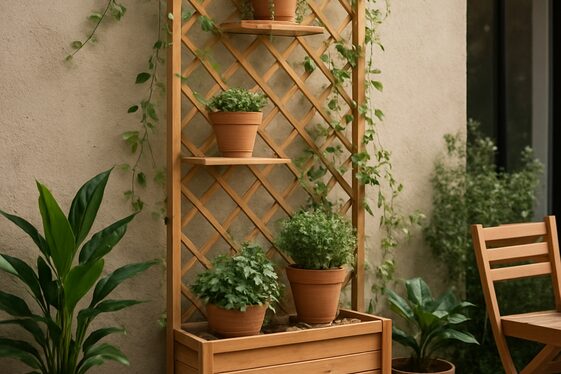
Combine function and storage with a trellis shelving unit. Adding shelves to a climbing trellis allows you to display potted plants, garden tools, or décor, creating a multi-use piece. You can build this style from wood or metal, customizing shelf size and trellis shape to fit your needs.
A trellis shelving unit brightens corners of patios, decks, or garden walkways by adding vertical greenery and practical space. It’s perfect for those who want their climbing plants alongside easy access to garden essentials.
This idea fits both urban and suburban gardens looking for style and smart design. This keeps the idea practical, clear, and easy for readers to use right away. It also adds a little more helpful detail without making the writing sound stiff.
A simple, thoughtful explanation like this helps the whole article feel complete. That balance makes the advice feel more natural, more useful, and easier to follow.
15. Window Frame Trellis for Vintage Appeal
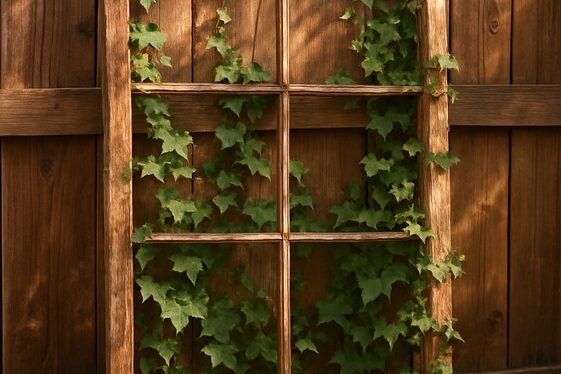
Old window frames can be repurposed into vintage-style trellises that add character and charm. Simply attach wire mesh or string across the empty panes and lean or mount the frame in a sunny spot. The window’s patina and style give your garden a cozy, nostalgic vibe perfect for flower climbers like sweet peas or ivy.
These frames are fantastic for smaller garden spaces, balconies, or as accent pieces. They work as lightweight trellises that don’t overwhelm your garden but add that much-loved handmade touch.
Window frame trellises are a great way to recycle while boosting your garden’s personality. This keeps the idea practical, clear, and easy for readers to use right away. It also adds a little more helpful detail without making the writing sound stiff.
A simple, thoughtful explanation like this helps the whole article feel complete. That balance makes the advice feel more natural, more useful, and easier to follow.
16. Trellis Pergola for Shade and Structure

Trellis pergolas combine the best of both worlds — a beautiful climbing plant frame with shaded outdoor structure. You can DIY a pergola from wood and add lattice or wire panels on top for vines to climb.
This setup turns garden paths and patio spaces into tranquil retreats with dappled shade. Perfect for morning glories, wisteria, or grapevines, a trellis pergola offers vertical space and cozy overhead coverage. It requires more building skill than simpler trellises but provides lasting value as an architectural garden feature.
In 2026, this addition can become your garden’s centerpiece. This keeps the idea practical, clear, and easy for readers to use right away. It also adds a little more helpful detail without making the writing sound stiff.
A simple, thoughtful explanation like this helps the whole article feel complete. That balance makes the advice feel more natural, more useful, and easier to follow.
17. Spiral Trellis for Compact Spaces
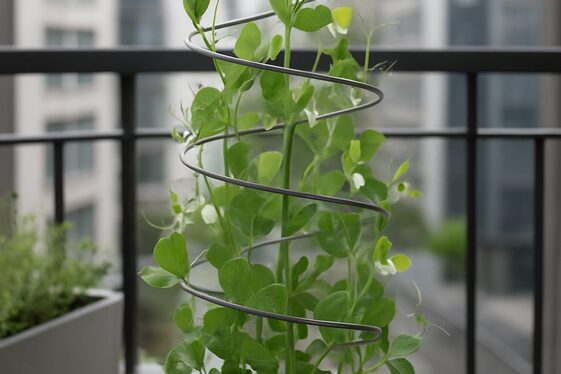
A spiral trellis is a fun, modern way to fit vertical growing into tiny gardens, balconies, or patios. These can be made from wire, metal rods, or even repurposed materials twisted upward to create a spiral form. Plants with tendrils can wrap around the structure, maximizing space with a small footprint.
Spiral trellises are perfect for growing beans, peas, or small flowering vines in container gardens. Their sculptural shape adds motion and interest to any outdoor space.
Easy to move and store, they’re a smart choice for renters and apartment dwellers looking for vertical gardening ideas. This keeps the idea practical, clear, and easy for readers to use right away. It also adds a little more helpful detail without making the writing sound stiff.
A simple, thoughtful explanation like this helps the whole article feel complete. That balance makes the advice feel more natural, more useful, and easier to follow.
18. Recycled Garden Tool Trellis for Unique Decor
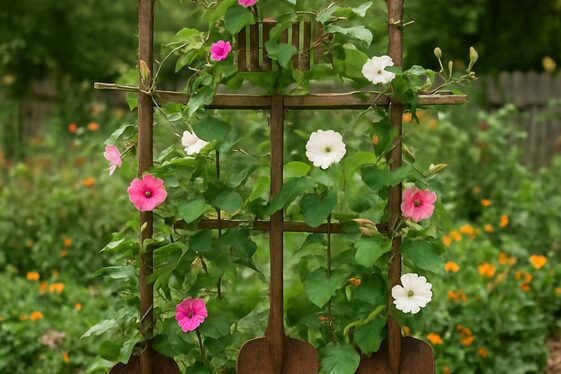
For a truly unique garden piece, use recycled garden tools to craft a one-of-a-kind trellis. Old rakes, shovels, or pitchforks can be bent and fastened to form artistic structures that support climbing plants. This idea gives new life to worn-out tools and turns them into conversation starters.
The rustic, quirky look of a recycled tool trellis fits well in eclectic, rustic, or farmhouse garden styles. These trellises are not only functional but also eco-conscious by repurposing items destined for the landfill.
Plus, they add quirky charm and individual personality to your garden in 2026. This keeps the idea practical, clear, and easy for readers to use right away. It also adds a little more helpful detail without making the writing sound stiff.
A simple, thoughtful explanation like this helps the whole article feel complete. That balance makes the advice feel more natural, more useful, and easier to follow.
Conclusion
No matter your garden size or style, a trellis can transform your outdoor space with vertical charm and functional plant support. From the classic elegance of wooden lattice to the quirky creativity of recycled tools, these 18 DIY ideas give you plenty of options for 2026. Whether you want to create privacy, add architectural interest, or simply grow more plants in less space, there’s something here to fit your skill level and taste. So grab your tools, choose a trellis that sparks your creativity, and watch your garden climb to new heights this season!