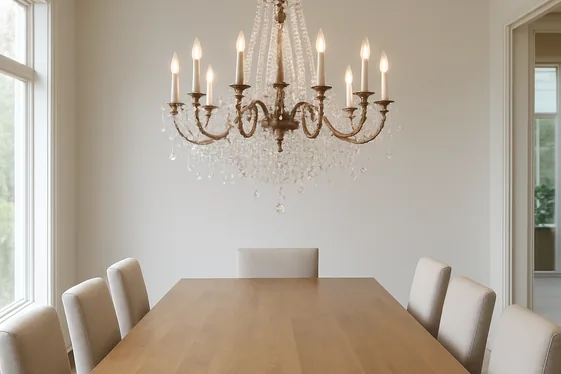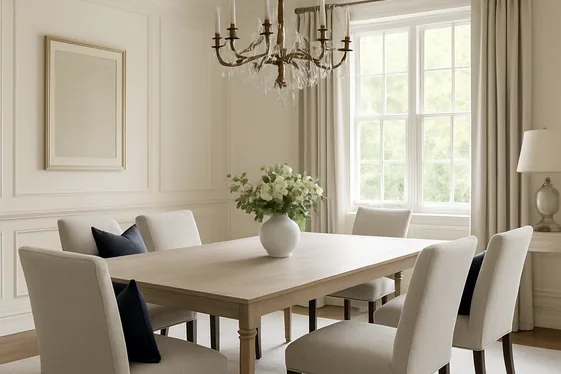
A dining room holds a special place in any home. It’s where family gathers for meals, friends come over to celebrate, and memories are made around the table. But creating a space that’s both beautiful and functional can feel overwhelming.
Whether you’re working with a large room or a cozy nook, finding the perfect vibe that matches your style and lifestyle is key. Luckily, inspiring your dining room makeover doesn’t require a complete overhaul or breaking the bank.
This guide is packed with 15 fresh and fashionable dining room ideas to help you design a space you’ll love spending time in. From lighting choices to furniture selection, wall decor, and smart layout tweaks, each tip is designed for homeowners all across the USA looking to inject personality and comfort into their homes.
Dive in, and you may just discover the inspiration you need to turn your dining room into the heart of your beautiful home.
1. Dramatic Lighting That Transforms Your Space
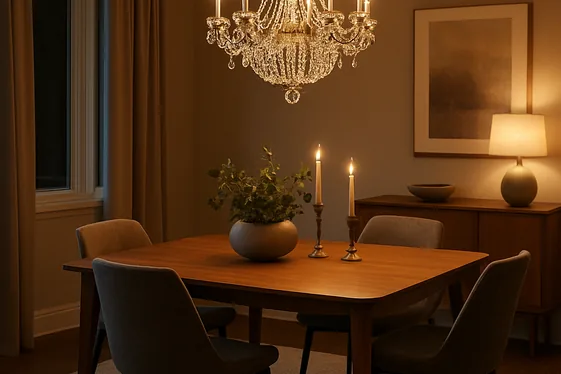
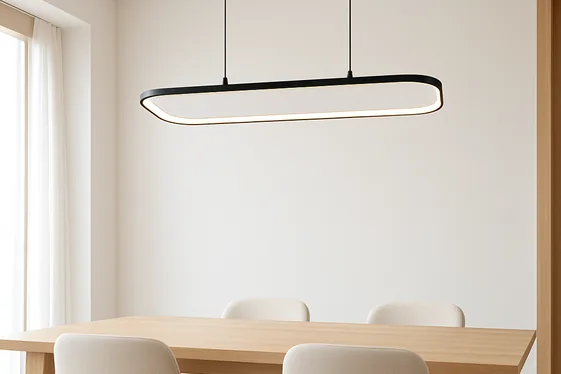
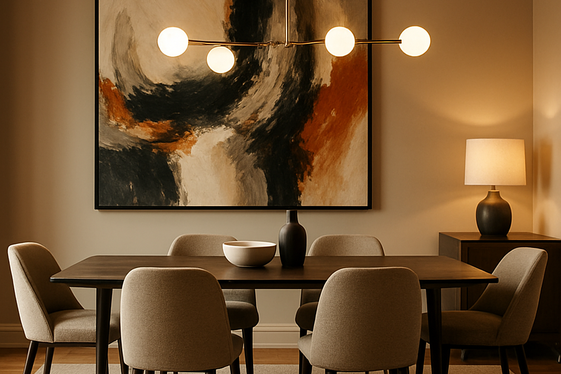
Lighting has the power to completely redefine your dining room, turning everyday meals into memorable experiences. Think beyond the standard overhead fixture. Layer your lighting with a mix of sources: pendant lights hung about 30 inches above the table for focused glow, wall sconces to add warmth, and a dimmable chandelier to set the mood.
Choose bulbs with a color temperature around 2700K for a cozy, inviting feel that flatters skin tones and enhances the colors of your food. Experiment with placement to create depth and interest. Highlight artwork or an accent wall by using adjustable spotlights or track lighting. Consider adding LED strips under floating shelves or inside a built-in cabinet to cast subtle light without overpowering the room.
Just remember, too much brightness can kill ambiance—install dimmer switches to control the intensity and keep dinner vibes just right. Smart lighting controls also make switching scenes effortless, making your dining room as ready for lively conversations as for intimate dinners.
2. Mixing Textures for a Cozy, Modern Look
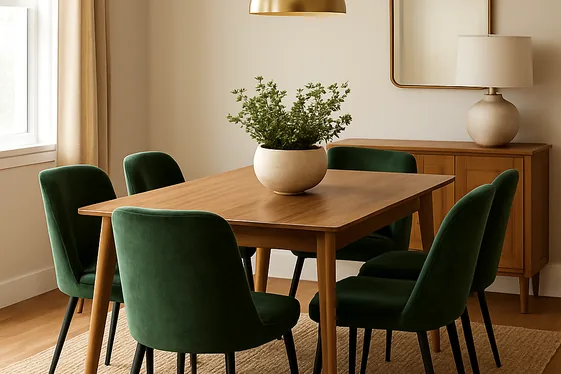
- Layer different materials like a woven jute rug under a sleek glass dining table to bring warmth and modern shine together. The mix of natural fiber and reflective surface creates a balanced feel.
- Combine velvet-upholstered chairs with a smooth wooden dining table for contrast. The soft, plush texture adds comfort, while the polished wood anchors the space with a clean, modern edge.
- Add linen curtains in neutral tones against painted walls for a cozy backdrop. The fabric softens harsh lines and lets light gently diffuse in, making the room inviting without losing style.
- Use ceramic or stone centerpieces on a matte-finished tabletop. The rough texture contrasts with smooth surfaces and provides an organic touch, subtle yet impactful.
- Incorporate metal accents like brass candle holders or stainless steel flatware. These shiny finishes elevate the overall look while contributing small-scale texture differences.
- Mix leather seating with fabric cushions to layer tactile interest. Leather introduces durability and sleekness, while cushions offer softness and color pops.
- Place a chunky knit throw over a minimalist bench or side chair nearby to invite touch and add a human element to stiff lines.
Balancing textures creates a dining room that feels lived-in, welcoming, and fresh. I’ve seen this work well in many cases where owners combine metal, fabric, wood, and natural fibers thoughtfully—they often find guests linger longer thanks to the tactile variety.
3. Add a Statement Wall for Instant Impact
Quick Tip:
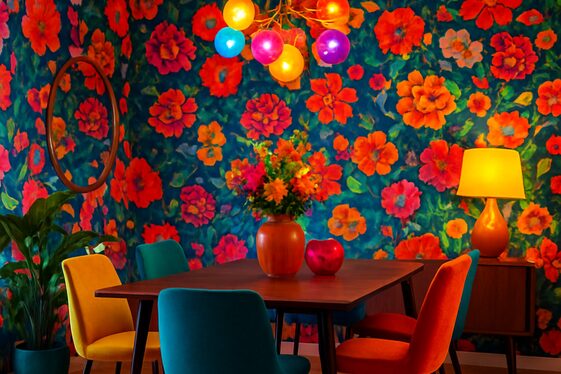
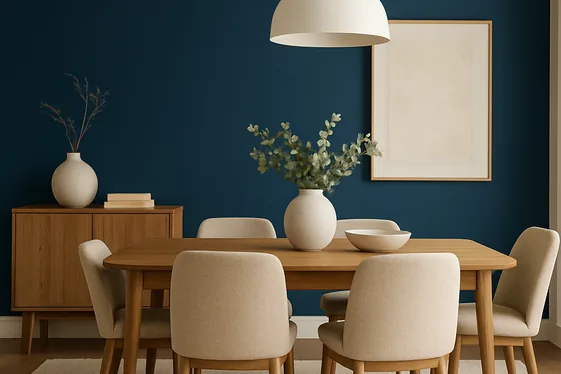
Select one wall in your dining room to transform with bold color, textured wallpaper, or a striking mural. Keep the other walls neutral to let your statement wall shine. Consider vertical stripes or geometric patterns if your ceiling is low—they create an illusion of height. Don’t forget proper lighting: spotlighting your wall art or paint amplifies the effect and adds warmth.
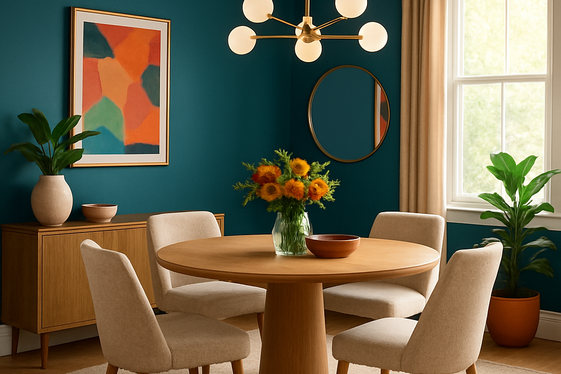
Choosing a statement wall is an easy way to bring personality and drama to your dining room without overwhelming the space. For example, a deep navy or emerald green wall behind your dining table creates a cozy, sophisticated vibe, especially paired with brass or wood accents.
If paint feels too simple, tactile options like reclaimed wood panels or grasscloth wallpaper add dimension and interest. The key is to keep furniture and décor subtle so the wall shines as the room’s star feature.
4. Curate Artwork to Reflect Your Personality
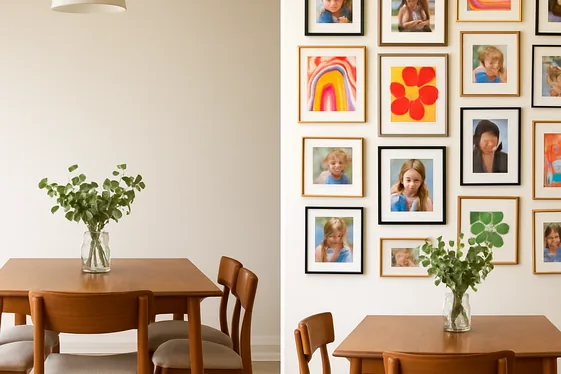
Before: Many dining rooms feel cold or impersonal, with bare walls or generic prints that don’t say much about who lives there. The space ends up looking more like a showroom than a lived-in home. Guests might feel something’s missing without knowing exactly what it is.
After: By carefully selecting artwork that reflects your interests, travels, or family history, your dining room instantly gains character. Walls become a storytelling canvas where every piece draws attention and sparks conversation. The room shifts from a simple eating area to a personal gallery that feels warm and inviting.
Choosing art that represents your personality adds layers to your dining space. Consider mixing a large statement piece with smaller complementary works—family photos in stylish frames, vintage posters from places you’ve visited, or abstract canvases in your favorite color palette.
Let your walls be a reflection of your tastes and memories. This thoughtful curation makes your dining room unique, encouraging guests to connect and mingle around more than just the dinner table.
5. Choose a Table That Fits Your Lifestyle
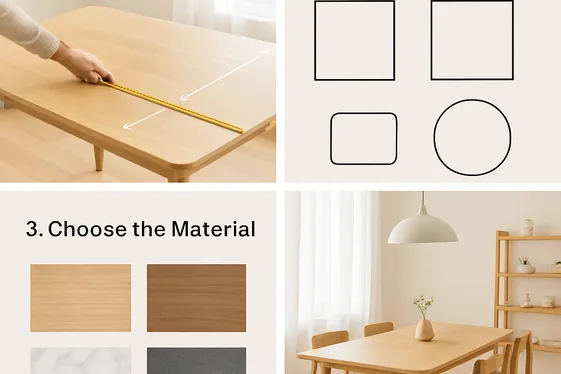
- Measure your dining area carefully to determine the size of the table you need. Leave at least 36 inches around the table for easy movement and comfortable seating.
- Think about how often you host guests or family meals. If you entertain frequently, choose a table with extendable leaves or extra seating space to accommodate more people.
- Consider your lifestyle needs, such as whether you need extra storage or a toddler-friendly surface. Tables with drawers or rounded edges might suit families best.
- Pick a material that matches your daily use. Solid wood withstands heavy wear, glass offers a sleek look but needs more upkeep, and metal is sturdy and modern.
- Match the table style to your home’s vibe without sacrificing comfort. A rustic farmhouse table suits casual living, while a minimalist design fits modern spaces better.
- Don’t forget about chair compatibility. Ensure your chairs fit under the table with enough legroom and that they complement the table’s height and style.
- Plan your lighting and centerpiece around the table size. A well-lit table with a simple centerpiece keeps things inviting and balanced.
Selecting a table isn’t just about looks—it’s about how it fits with your daily routines and space. Taking time to combine size, function, and style ensures your dining room becomes a spot everyone loves to gather. After all, the right table adapts with you, whether it’s family dinners or a quiet morning coffee.
6. Balance Function and Style with Chairs
| Point | Matching Chairs | Mixed Chairs |
|---|---|---|
| Visual Impact | Creates a uniform, cohesive look | Adds character and visual interest |
| Comfort | Usually consistent seat height and size | Can vary, offering diverse comfort |
| Style Flexibility | Best for classic or minimal styles | Works well with eclectic or modern |
| Maintenance | Easier to clean and replace if needed | May require more care to balance styles |
| Cost Efficiency | Often less expensive in bulk | Can be pricier mixing styles individually |
| Space Adaptability | Fits seamlessly around the table | Can highlight different zones in room |
| Personality | Presents a formal, polished vibe | Displays personal taste and creativity |
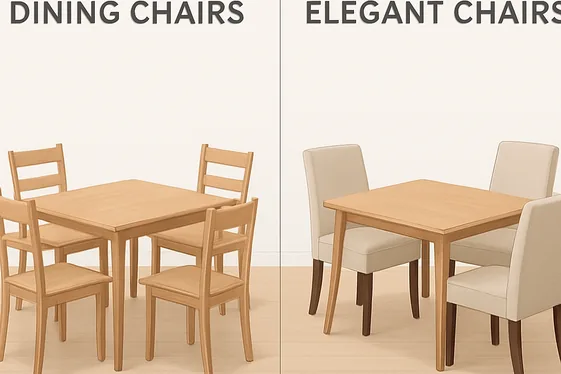
Balancing function and style with chairs around your dining table is all about blending practicality with the look you want. In my experience, a set of matching chairs is ideal for creating a clean, streamlined atmosphere that complements traditional or minimalist designs. On the other hand, mixing chair styles gives your dining area a unique feel that sparks conversation and reflects your personality.
Consider your daily routine and guests’ comfort alongside the room’s vibe to find the right balance for your home. Quick Tip: Try combining chairs with the same leg style but different seat shapes to keep harmony without losing style.
7. Incorporate Greenery for Fresh Energy

Do:
- Place a mix of small potted plants on shelves or window sills for easy access and visual interest.
- Use a large leafy plant like a fiddle leaf fig near a corner to create a natural focal point.
- Incorporate fresh herbs in pretty containers on the table for a dual purpose: decoration and cooking.
- Choose low-maintenance plants if light is limited, such as snake plants or pothos.
- Rotate plants regularly to keep them thriving and maintain their vibrant look.
Don’t:
- Overcrowd the dining space with too many plants, which can make the room feel cluttered.
- Place plants in direct sunlight if they’re sensitive and risk dying quickly.
- Ignore watering needs — avoid leaving soil dry for too long or waterlogged.
- Use artificial plants that collect dust and look fake up close.
- Forget to clean leaves occasionally, as dusty plants lose their freshness and charm.
Greenery boosts a dining room’s atmosphere by adding life and color that feels inviting and calming. A well-chosen plant can brighten corners where furniture might feel lonely and offer a soft textural contrast to sleek dining sets.
Herbs bring not only vibrancy but also a lovely aroma that energizes the room. Remember to think about light conditions and plant care routines to keep the space lively throughout every season.
8. Upgrade Your Flooring for Elegance
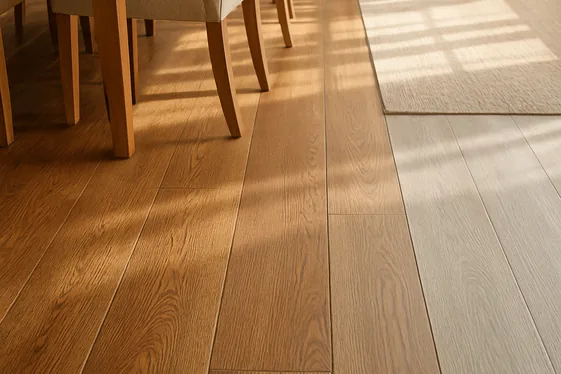
Cost: Moderate to High
Time: 2-4 days
Skill Level: Intermediate to Professional
Best For: Transforming dining room ambiance
Swapping out old carpet or dull tile for something fresh like hardwood, luxury vinyl plank, or polished concrete instantly elevates your dining room’s look. Choose wood tones that complement your furniture – rich walnut or warm oak bring a cozy vibe, while light hickory adds brightness. For a modern twist, go with a sleek matte finish or wide plank design.
Laying the new floor usually takes a couple of days but brings lasting style and durability. Just make sure to prepare the subfloor properly and hire an experienced installer if you’re not going DIY. A thoughtful floor upgrade anchors the room and sets a sophisticated backdrop for every meal or gathering.
9. Layer with Rugs to Define the Area
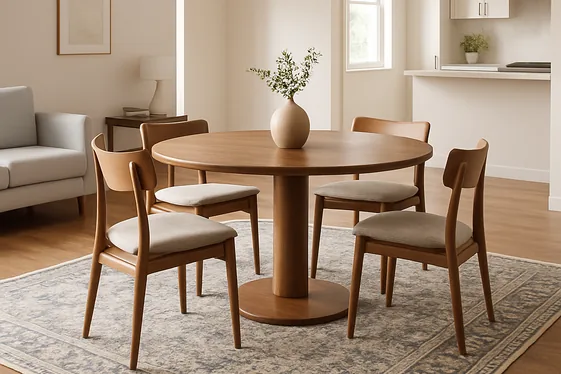
Defining your dining area becomes simple when you layer with rugs. Select a rug large enough that all chairs stay on it, even when pulled out—that means aiming for at least 24 inches beyond the table on each side. In my experience, natural fiber rugs like jute or sisal add texture and warmth without overwhelming the space.
Position the rug squarely under your dining table to keep things balanced, and pick colors or patterns that complement your décor but won’t compete with your tabletop centerpiece. Rugs also help absorb sound, which tends to echo loudly in dining rooms. I’ve seen this work well in many cases where families gather for lively conversations over dinner.
To avoid wear lines, rotate your rug every few months, especially in high-traffic spots. Remember, if your floors are hardwood, adding a rug prevents scratches from chair legs while pulling the space together visually. It’s a small effort with lasting impact that keeps your dining zone distinct and inviting.
10. Stylish Storage Solutions That Hide Clutter
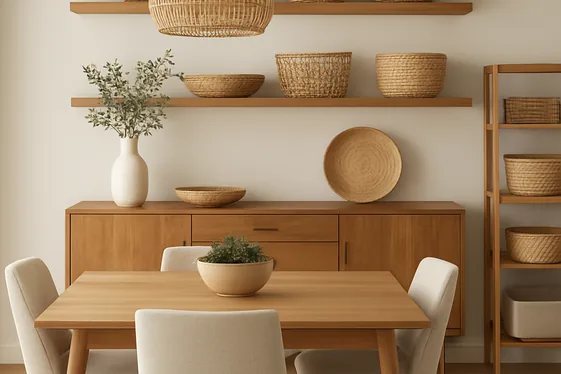
- Select a sideboard or buffet with doors and drawers to tuck away table linens, silverware, and serving dishes, keeping surfaces free of clutter and easy to clean.
- Choose built-in storage benches with lift-up seats around your dining table for a clever way to conceal extra cushions, board games, or kids’ art supplies.
- Use decorative baskets or bins on open shelves to store casual items like napkins or coasters, blending style with functionality without making the room feel cramped.
- Install wall-mounted cabinets with sleek doors to add vertical storage without sacrificing floor space, perfect for smaller dining rooms or apartments.
- Incorporate a wine rack or bar cart with hidden compartments to organize bottles and accessories out of sight while maintaining quick access for entertaining.
- Opt for furniture with multi-purpose features, such as a dining table with built-in drawers or stools with hollow storage inside, balancing practicality and modern design effortlessly.
- Hide electronics and chargers behind sliding panels or in enclosed cubbies to keep tech out of sight but ready to use during dinner parties or family gatherings.
Stylish storage solutions in the dining room do more than just stash clutter—they create calm, organized spaces that invite conversation and relaxation. By mixing pieces that offer concealed compartments with decorative yet practical storage options, homeowners can maintain a clean, open vibe without sacrificing convenience.
11. Create Ambiance Through Window Treatments
Quick Tip:
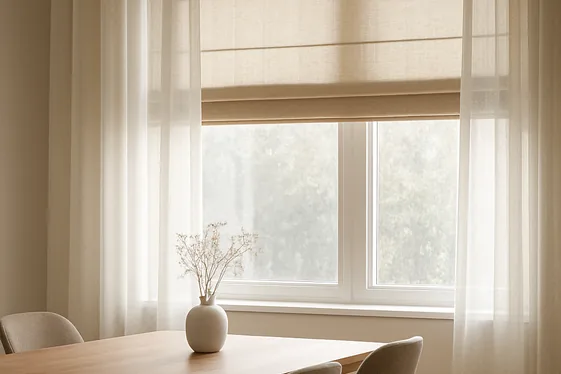
Choose curtains or blinds that soften natural light while enhancing your dining room’s style. Light-filtering linens create a warm glow, while heavier drapes add drama and coziness. Match colors to your walls or furniture for a seamless look, or pick prints that bring a playful touch. Don’t forget to install curtain rods a few inches above the window frame to make ceilings feel higher.
Window treatments do more than just cover windows—they set the entire mood. Imagine sheer white curtains that gently diffuse sunlight during brunch, creating a peaceful vibe, or rich velvet panels that frame your dining nook on chilly evenings. Selecting the right fabrics and lengths not only controls light but can also introduce texture and color to your décor.
Whether you want a breezy summer feel or a snug winter setting, layering blinds with curtains is a smart way to adjust ambiance all year round.
12. Refresh with Seasonal Decor Swaps
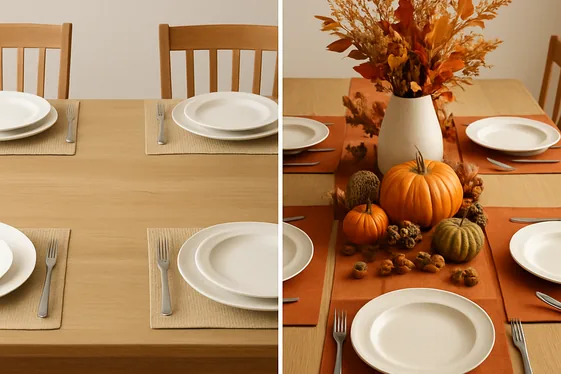
Before: The dining room feels static, with the same decor lingering year-round, creating a dull and predictable atmosphere. Seasonal shifts pass by unnoticed, missing chances to refresh the vibe and add character. Every time guests come over, the space lacks that “wow” factor tied to the seasons.
After: Swapping out decor with the seasons breathes new life into the dining room without a major overhaul. Bright spring florals, warm autumn leaves, or crisp winter touches make your space evolve naturally, inviting conversation and delight. It becomes a spot that reflects the times of year, making gatherings feel special and cozy.
Rotate seasonal elements like table runners, centerpiece vases, or cushion covers to match the current mood: think pumpkins and rustic textures for fall, or airy linens and fresh greenery for summer. Even small changes such as swapping artwork or adding scented candles with seasonal aromas can transform the atmosphere.
By creating a flexible decor plan that’s easy to update, your dining room stays fresh, welcoming, and uniquely attuned to the rhythm of the year.
13. Set the Mood with Candlelight and Accessories
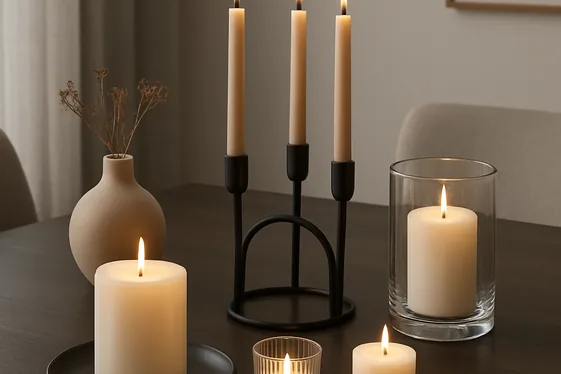
- Choose candles in varying heights and sizes, such as pillar candles paired with tealights, to create visual interest on your dining table. Group them together for a cozy, layered effect.
- Select candle holders that match your dining room’s style—think sleek metal for modern decor or rustic wood for a farmhouse vibe. Make sure they’re sturdy and heat-resistant to keep your space safe.
- Place candles along the center of the table but leave ample space for plates and glasses. Avoid blocking views or crowding the setting so conversations can flow naturally.
- Add small accessories like decorative trays, flower buds, or natural elements like eucalyptus sprigs around the candle groupings. These touches complement the soft glow and add texture without overwhelming.
- Dim your overhead lights when dining and ignite the candles just before guests arrive to instantly set a warm, inviting mood.
In my experience, switching on candles instead of overhead lighting transforms the entire atmosphere—making meals feel more special and memorable. Accessories like tiny vases or artful bowls can subtly elevate the look, while the flicker of candlelight softens the room and encourages relaxed chatter.
That’s why many decorators swear by candlelight and style accessories as quick mood setters for any dining space.
14. Compare Traditional vs. Contemporary Table Settings
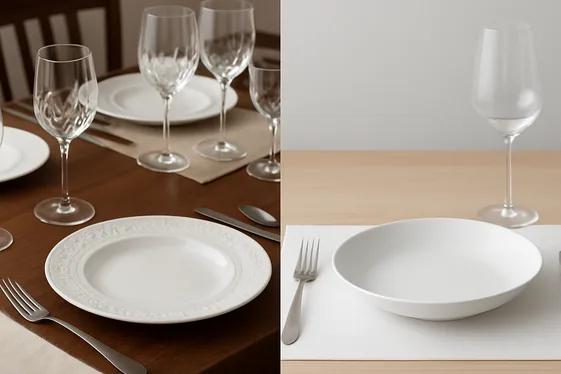
| Point | Traditional Table Setting | Contemporary Table Setting |
|---|---|---|
| Plate Arrangement | Multiple plates stacked for courses | One main plate with minimalist side plates |
| Cutlery Placement | Many utensils for each course | Fewer utensils, placed simply |
| Glassware | Several glasses for water, wine, and more | One or two sleek glasses per setting |
| Napkin Style | Folded or cloth napkins with rings | Casual linen napkin, often laid flat |
| Centerpiece | Large, elaborate floral or candle displays | Small, modern, and low-profile decor |
| Tablecloth Usage | Full tablecloth covering the entire table | Runner or exposed wood surface |
| Color Palette | Classic whites and pastels | Bold colors or monochrome schemes |
Traditional settings stick to formality and multiple pieces, creating a grand mood but needing more space and effort. Contemporary settings focus on simplicity and functionality, making the table easier to set and clean while enhancing the dining experience with a modern vibe.
For busy homeowners who love entertaining with style yet value ease, embracing contemporary setups can transform everyday meals into chic events without the fuss.
15. Master the Art of Minimalist Dining Design
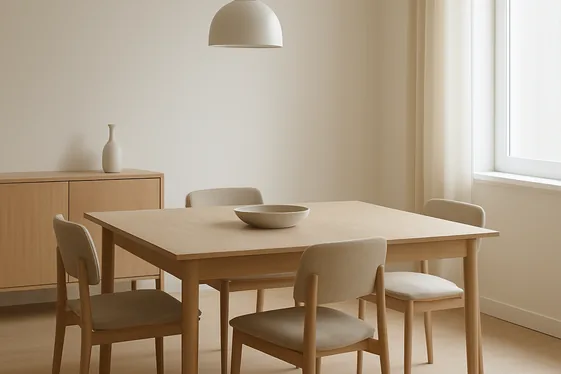
Do:
- Choose a sleek, simple dining table with clean lines and neutral colors like white, black, or natural wood tones.
- Select chairs with slim profiles and minimal detailing to keep the space open and airy.
- Incorporate one or two statement pieces, such as a modern light fixture or a monochrome art print, to add personality without clutter.
- Keep accessories to a minimum—think a single vase or a small bowl as a centerpiece.
- Use functional storage solutions like built-in shelves or hidden cabinets to maintain a tidy environment.
Don’t:
- Overload the room with too many decorative items that compete for attention and clutter the space.
- Opt for bulky or ornate furniture that clashes with the minimalist vibe.
- Use excessive colors or patterns that break the calm, cohesive look.
- Forget about balancing comfort with minimalism; avoid overly rigid seating.
- Neglect proper lighting—dull or harsh lights ruin the simplicity and mood.
Minimalist dining design thrives on simplicity and purpose. The goal is to create an uncluttered environment where every piece serves a function or enhances the look subtly. Stick to a neutral palette, pick furniture that feels light and easy on the eyes, and resist the urge to fill every surface.
Balancing style with practicality keeps the space inviting and serene, perfect for enjoyable meals and lively conversations without distractions.
Conclusion
Each dining room inspiration idea in this guide offers something unique to elevate your space, whether it’s the glow of dramatic lighting, the tactile appeal of mixed textures, or the freshness of seasonal decor. The key takeaway is to tailor these ideas to your personal taste and lifestyle, since your dining room should be as functional as it is beautiful.
I encourage you to mix and match these tips thoughtfully, keeping balance at the core of your design decisions. Whether you lean toward minimalist elegance or bold statement walls, the goal remains the same: to create a welcoming spot that invites connection, good food, and lasting memories with those you care about most.

Sarah Parker is a creative content writer with experience in crafting engaging, reader-friendly, and SEO-optimized content. She specializes in writing blog posts, website copy, social media captions, and digital marketing content across niches including lifestyle, home decor, business, and technology. Her writing style focuses on clarity, audience engagement, and search engine visibility.