Winter calls for cozy spaces where warmth meets style, and the dining room is the perfect spot to bring both together. As temperatures drop and evenings get longer, transforming your dining area can create an inviting atmosphere for family gatherings, holiday meals, or simply enjoying good company.
Decorating for winter doesn’t mean heavy or gloomy designs—it’s about texture, color, and a touch of seasonal charm that feels modern yet timeless. Whether you prefer subtle elegance or playful accents, these ideas will refresh your dining room with a winter-ready vibe.
In this guide, you’ll discover 15 fresh and practical décor tips that combine comfort with chic style. From lighting alternatives that make a difference to table settings with personality, every suggestion is intended to empower your creativity without overwhelming your space.
Let’s dive into how to turn your dining room into the ultimate winter sanctuary, where warmth, beauty, and function come together effortlessly.
1. Cozy Layered Textiles for a Warm Ambiance
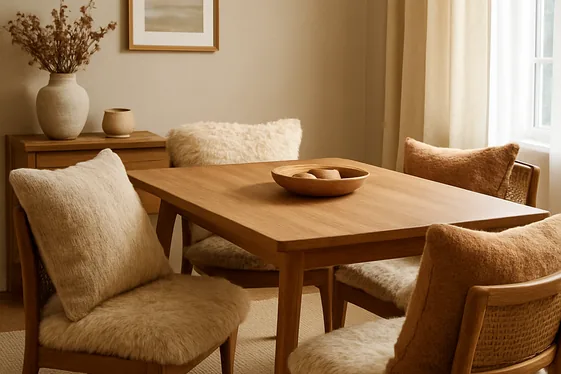
Layered textiles can dramatically elevate the warmth and style of your dining room during winter. Start with seat cushions or throws made from thick, plush fabrics such as wool, faux fur, or chunky knits. These textures invite guests to linger longer, making mealtime more comfortable and relaxing. To avoid clutter, balance heavier fabrics with lighter materials like linen napkins or cotton table runners for a visually pleasing contrast.
Adding a few cozy pillows to dining chairs can soften the room without sacrificing functionality. In my experience, layering throws over chair backs also makes the space instantly inviting. Choosing textiles in warm neutrals, deep greens, or rustic reds ties the look together and creates a snug, seasonal ambiance perfect for chilly evenings.
This keeps the idea practical, clear, and easy for readers to use right away. It also adds a little more helpful detail without making the writing sound stiff.
2. Incorporating Natural Elements into Winter Decor
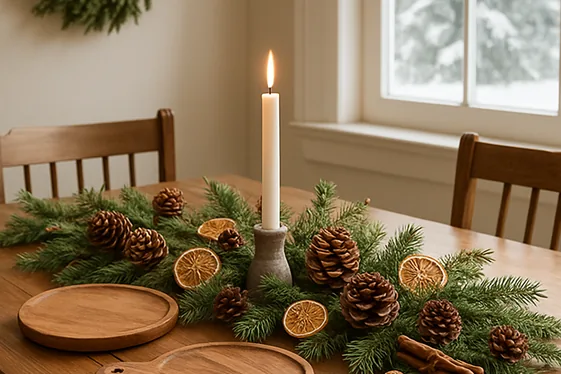
- Pinecones and evergreen branches bring an authentic winter feel to your space. Arrange them into simple centerpieces or scatter along the table runner.
- Twigs and bare branches can add sculptural interest when placed in tall vases or hung as subtle wall décor.
- Dried citrus slices and cinnamon sticks incorporate beautiful seasonal scents and natural colors to your dining table.
- Potted winter herbs like rosemary or thyme provide greenery and a refreshing aroma while doubling as dining table accents.
- Wooden serving boards or candle holders introduce an organic touch that grounds your décor choice.
Incorporating natural elements creates a cozy, inviting atmosphere that feels connected to the season. I’ve noticed many homeowners find using items collected outdoors not only economical but deeply personalized. These accents blend earthy charm with holiday spirit, bringing subtle life and color to any dining room.
Plus, natural decor is incredibly versatile, complementing both modern and rustic interiors with ease. This keeps the idea practical, clear, and easy for readers to use right away. It also adds a little more helpful detail without making the writing sound stiff.
3. Warming Up Your Space with Ambient Lighting
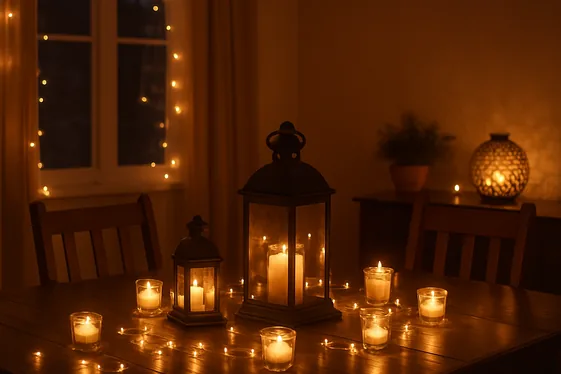
Quick Tip:
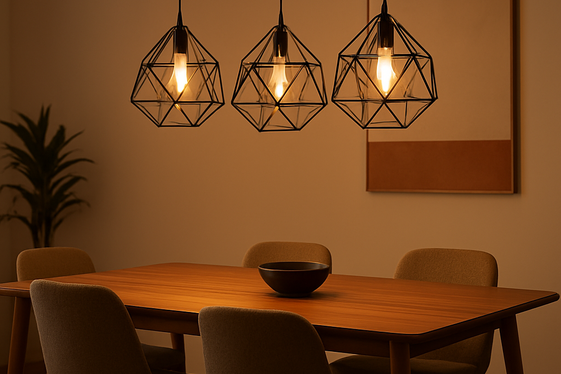
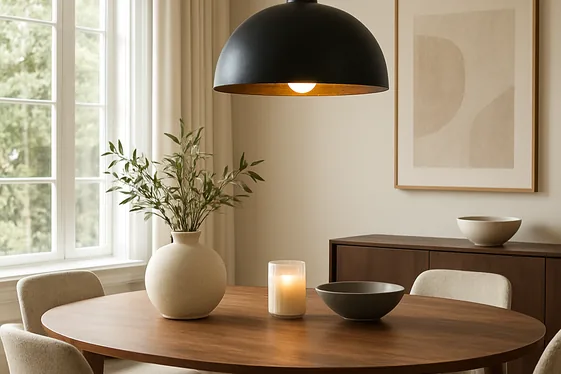
Opt for dimmable LED lights or warm white bulbs to soften the overall glow in your dining room. Layer your lighting with candles, strings of fairy lights, or lanterns to create multiple cozy focal points. This keeps the room inviting without overwhelming brightness.
Combining different light sources can transform the feel of your room after sunset. In addition to overhead fixtures, place votive candles or battery-operated LED candles along shelves and the dining table. The flicker adds warmth and intimacy that’s ideal for winter entertaining. I’ve found strategic lighting can turn ordinary spaces into cozy retreats, enhancing both mood and decor effortlessly.
This keeps the idea practical, clear, and easy for readers to use right away. It also adds a little more helpful detail without making the writing sound stiff.
4. Using Seasonal Colors to Transform Your Dining Room
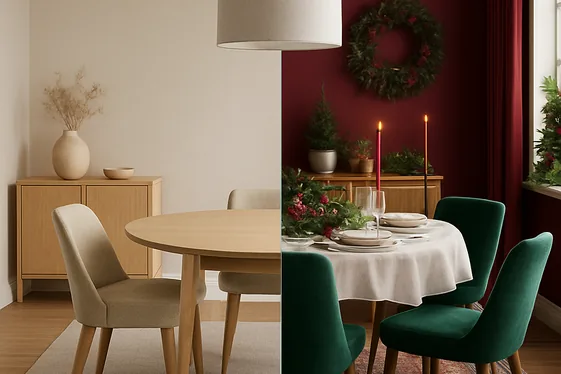
Before: Many dining rooms feel dull in winter due to neutral or summerc-focused color schemes that don’t reflect the season’s vibe.
After: Introducing colors like deep emerald, rich burgundy, frosted silver, or warm mustard instantly awakens the room with a festive, cozy look.
Winter is the time to embrace bold but inviting tones that evoke warmth and cheer indoors. Consider swapping out pillows, curtains, or tablecloths in these colors to make a noticeable difference. If paint or wallpaper isn’t an option, decorative accents in seasonal hues can update the space just as effectively. Using color as your seasonal anchor makes decorating less of a chore and more of a creative experiment you can change year after year.
This keeps the idea practical, clear, and easy for readers to use right away. It also adds a little more helpful detail without making the writing sound stiff.
5. Creating a Festive Winter Tablescape

- Choose a neutral base like a white or cream tablecloth to keep the look clean and flexible.
- Layer on a runner with winter patterns such as plaid or snowflakes for visual interest.
- Use matching or coordinating plates and glassware with subtle holiday motifs or jewel tones.
- Add natural elements like pine sprigs, cranberries, or small pinecones around place settings.
- Place candles or fairy lights along the table’s center to add soft illumination and ambiance.
- Incorporate metallic accents with gold or silver napkin rings and cutlery for that extra sparkle.
- Finish by including personal touches such as handwritten name cards or small handmade ornaments.
This step-by-step approach makes setting a festive winter table manageable and stylish. Every detail works together to invite conversation and celebrate the season. The key is mixing textures and colors thoughtfully to avoid overdoing it while still capturing winter’s charm.
This keeps the idea practical, clear, and easy for readers to use right away. It also adds a little more helpful detail without making the writing sound stiff.
6. Bringing in Rustic Wood Accents
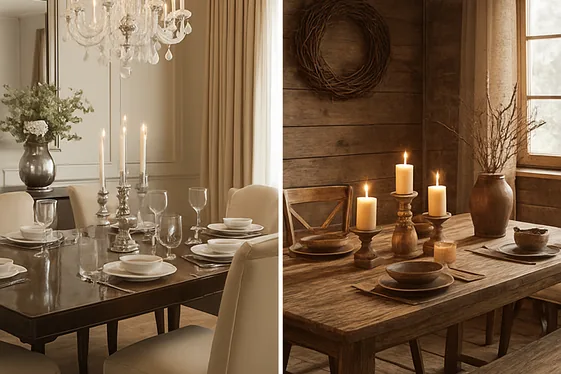
| Point | Traditional Dining Room | Rustic Wood Winter Decor |
|---|---|---|
| Material | Polished metal and glass | Weathered wood and natural grains |
| Texture | Smooth, sleek surfaces | Rough, distressed finishes |
| Color Palette | Neutral tones with blacks | Earthy browns and warm ambers |
| Décor Pieces | Standard chairs and tables | Reclaimed wood tables or benches |
| Additional Elements | Modern art and mirrors | Wooden candle holders and trays |
| Overall Feel | Clean and formal | Cozy and inviting |
I’ve seen this work well in many cases because rustic wood creates an earthy and grounding backdrop perfect for cold weather. It adds depth and character while still blending easily with other modern elements. This style highlights nature’s imperfections, which is a wonderful contrast to the often crisp feel of winter. Rustic wood also offers durability, making it ideal for dining areas that see frequent use.
Consider combining wooden accents with natural fabrics to balance ruggedness and softness beautifully. This keeps the idea practical, clear, and easy for readers to use right away. It also adds a little more helpful detail without making the writing sound stiff.
7. Do’s and Don’ts of Winter Dining Room Furniture Placement
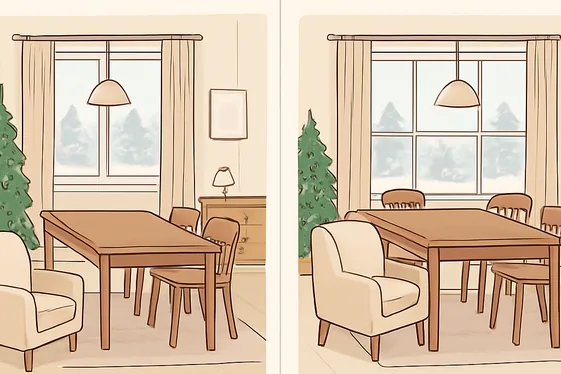
Do:
- Place furniture near heat sources, such as fireplaces or radiators, to maximize comfort.
- Leave enough space around tables for easy movement and pulling out chairs, ideally 36 inches.
- Arrange seating to encourage cozy conversations and eye contact by forming a circular or rectangular layout.
- Use smaller additional chairs or benches to adjust seating based on guest numbers.
- Consider traffic flow and room lighting when positioning large pieces to avoid blocking windows.
Don’t:
- Cramp furniture too close together; it can create an uncomfortable and claustrophobic feel.
- Place seating in drafty areas or near exterior doors where cold air sneaks in.
- Overcrowd the space with oversized furniture that dominates the room.
- Ignore the balance between symmetry and variety; too much uniformity can feel sterile.
- Forget about multi-functionality, especially if your dining room doubles as a workspace or play area.
Thoughtful placement of furniture enhances warmth and functionality, encouraging both style and ease during winter dining experiences. This keeps the idea practical, clear, and easy for readers to use right away. It also adds a little more helpful detail without making the writing sound stiff.
8. Quick Facts About Selecting Winter-Friendly Plants

Cost: Moderate
Time: Weekly Maintenance
Skill Level: Beginner to Intermediate
Best For: Tables, Corners, Windowsills
Result: Adds life and freshness
Winter-friendly plants can brighten up any dining room, enlivening space with greenery that thrives indoors during colder months. Popular options include poinsettias, amaryllis, or snake plants. These varieties generally tolerate lower light and dry air better than many others. In addition to their visual appeal, some of these plants help purify the air, creating a fresh atmosphere that counters dry winter conditions.
Plants bring a sense of nature indoors, offering color and texture that complements the season’s cozy vibes. Placement matters—think near windows where they get indirect light and away from drafts. In my experience, small pots on the dining table or larger floor plants positioned near corners keep the room lively without overwhelming the décor, striking a perfect balance.
This keeps the idea practical, clear, and easy for readers to use right away. It also adds a little more helpful detail without making the writing sound stiff.
9. Adding Texture with Statement Rugs
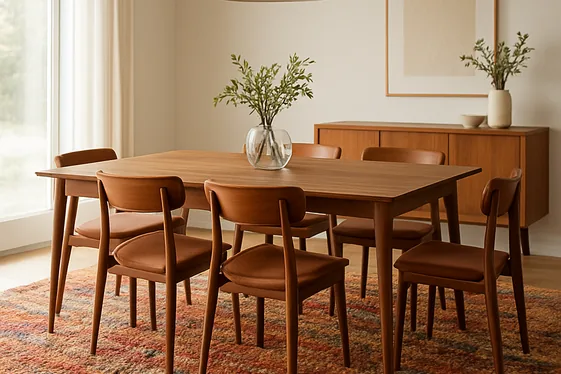
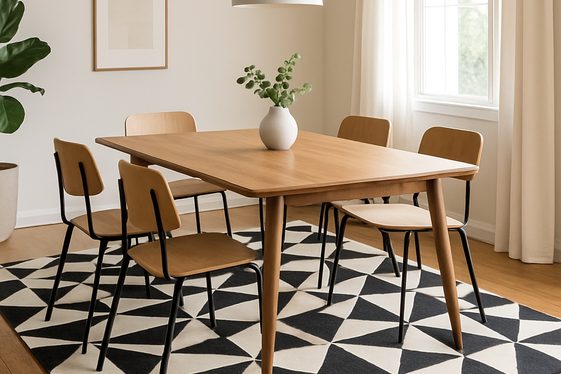
Statement rugs bring warmth, color, and a layer of comfort underfoot that’s essential for winter days. Choose durable rugs with plush fibers or natural materials like wool to insulate and soften hard flooring surfaces in the dining room. Designs with winter-themed patterns or rich colors also help define the area and anchor the furniture visually.
In my experience, rugs make a surprisingly huge impact by turning a cold, bare floor into a welcoming part of the décor. Aim for a size large enough to accommodate both the table and chairs when pulled out. Layering rugs can add extra dimension and coziness, but a single textured rug, well-chosen for pattern and tone, creates a stylish foundation that instantly lifts the whole room’s vibe.
This keeps the idea practical, clear, and easy for readers to use right away. It also adds a little more helpful detail without making the writing sound stiff.
10. Accessorizing with Metallic Touches

- Incorporate gold or silver candle holders on the dining table to reflect soft light.
- Use bronze or copper accent pieces like vases or trays for a warm metallic glow.
- Metallic napkin rings add subtle sophistication to place settings without overwhelming.
- Consider hammered or brushed metal finishes for a more rustic, inviting sparkle.
- Layer metallic elements sparingly with natural materials to avoid a cold, sterile feel.
Adding metallic accents introduces shimmer and elegance, balancing the natural and soft elements typical of winter décor. I’ve noticed pairing these touches with textiles and wood prevents the space from feeling too formal, making it perfect for casual winter celebrations or intimate dinners.
Metals catch light beautifully in darker winter months, enhancing atmosphere without extra electricity. This keeps the idea practical, clear, and easy for readers to use right away. It also adds a little more helpful detail without making the writing sound stiff.
11. Quick Tip for Maximizing Candlelight Atmosphere

Quick Tip:
Arrange candles in varying heights and groups to create a dynamic, flickering effect. Combining pillar candles with tealights or votives on trays or mirrored surfaces maximizes their glow. Always consider safety by keeping candles away from flammable objects and never leaving them unattended.
Candles are unparalleled in casting a warm and inviting mood during winter. Reflective bases like glass or metal amplify the light, and adding scents like cinnamon or vanilla can elevate the sensory experience. I recommend investing in quality unscented candles if you’re serving food nearby, so fragrances don’t compete with your dishes.
With just a little care, candlelight turns meals into memorable, cozy experiences. This keeps the idea practical, clear, and easy for readers to use right away. It also adds a little more helpful detail without making the writing sound stiff.
12. Before and After: Revamping with Winter Artwork
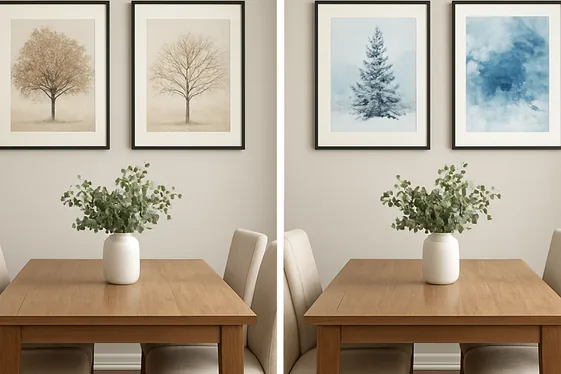
Before: Many dining rooms feature generic or year-round artwork that can feel disconnected from the season, leaving the walls uninspired.
After: Introducing winter-themed artwork, such as nature prints of snow-covered trees or abstract blues and whites, aligns the space to the season’s mood and colors.
Switching artwork seasonally is a simple way to update your dining room without major changes. I’ve seen this work well in many cases, especially when paired with complementary seasonal textiles. Even small framed prints on a buffet or side wall draw attention and bring a fresh perspective.
This approach encourages creativity and makes the room feel thoughtfully curated, improving overall warmth and cohesion. This keeps the idea practical, clear, and easy for readers to use right away. It also adds a little more helpful detail without making the writing sound stiff.
13. Numbered Steps for Styling a Winter Buffet Table
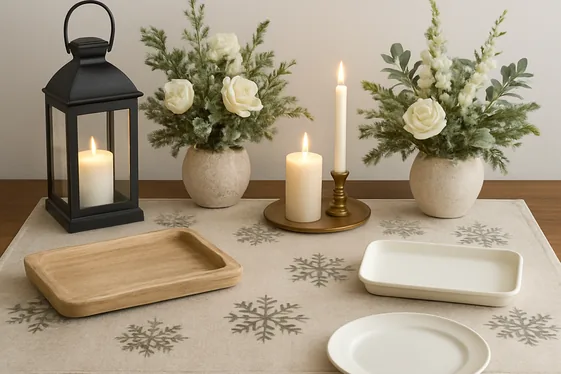
- Clear the surface and clean the buffet thoroughly; a clean foundation is essential.
- Choose a seasonal runner or cloth to introduce color and texture.
- Arrange larger items such as decorative bowls, lanterns, or floral arrangements first.
- Layer smaller elements like candles, pinecones, or holiday figurines around the bigger pieces.
- Include functional items like elegant trays for drinks or serving utensils.
- Add height by placing a few items on small risers or stackable boxes covered in fabric.
- Step back and adjust the balance, ensuring no side looks overcrowded or sparse.
In my experience, styling a buffet this way transforms it into both a practical serving area and a visual focal point. The key is combining decorative and usable objects while keeping the look curated but not cluttered. This elevates your winter dining experience and supports festive gatherings with flair and function.
This keeps the idea practical, clear, and easy for readers to use right away. It also adds a little more helpful detail without making the writing sound stiff.
14. Comparison of Traditional vs. Contemporary Winter Decorations
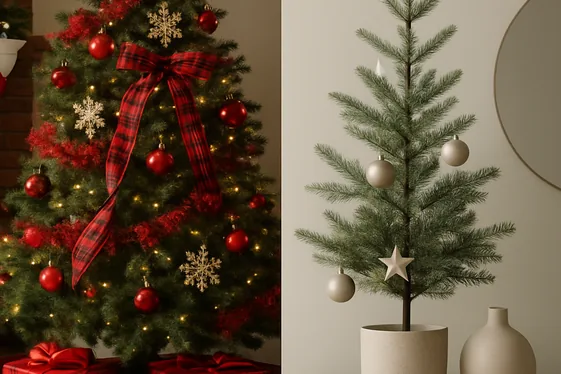
| Comparison Point | Traditional Decorations | Contemporary Decorations |
|---|---|---|
| Color Palette | Classic reds, greens, golds | Muted tones, metallics, whites |
| Materials | Velvet, tinsel, ceramic figurines | Glass, metal, minimalist ceramics |
| Patterns | Plaid, snowflakes, holly | Geometric, abstract, botanical |
| Lighting | String lights, candle clusters | LED strips, pendant lamps |
| Overall Mood | Nostalgic, cozy | Sleek, airy |
| Placement | Symmetrical and formal | Asymmetrical and casual |
Traditional decor holds nostalgia and timeless charm, while contemporary embraces minimalism and fresh aesthetics. Both styles suit winter but convey different moods. I’ve noticed contemporary decorations appeal to those wanting a light, modern space without busy visuals, whereas traditional options bring a familiar warmth and festivity.
Blend the two for a curated, personalized look that fits your taste perfectly. This keeps the idea practical, clear, and easy for readers to use right away. It also adds a little more helpful detail without making the writing sound stiff.
15. Do’s and Don’ts of Winter Centerpieces
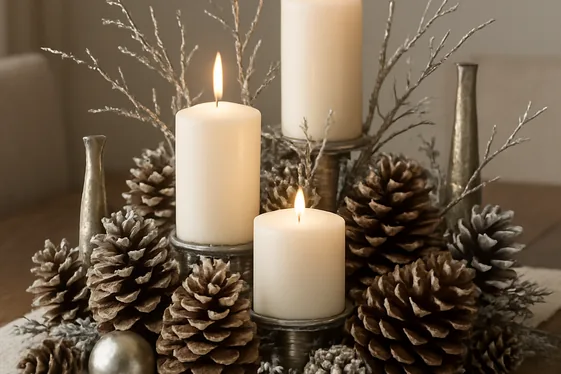
Do:
- Do choose natural elements like pinecones, branches, or seasonal flowers for authenticity.
- Do layer height using candlesticks or tiered trays to add dimension to the table.
- Do keep centerpiece size manageable to allow easy conversation across the table.
- Do incorporate subtle sparkle with metallic accents or fairy lights for a festive touch.
- Do coordinate colors with your overall winter palette for a cohesive vibe.
Don’t:
- Don’t overcrowd the table with too many objects that make it hard to serve or eat.
- Don’t pick highly fragrant flowers or candles that might conflict with meal aromas.
- Don’t use fragile decorations that can tip over or get damaged during use.
- Don’t stick exclusively to holiday motifs if you want longer-lasting décor.
- Don’t ignore balance; very tall or heavy centerpieces can feel overwhelming.
A well-chosen centerpiece sets the tone but should harmonize with the space’s function and style. Balance practicality with beauty to keep your winter meals cozy and stress-free. This keeps the idea practical, clear, and easy for readers to use right away. It also adds a little more helpful detail without making the writing sound stiff.
Conclusion
Creating a winter dining room that’s warm and stylish is all about balancing comfort with thoughtful design. From layering cozy textiles and adding natural elements to embracing ambient lighting and seasonal colors, each idea helps your space feel inviting when temperatures drop. Incorporating rustic touches, winter-friendly plants, and statement rugs rounds out the cozy aesthetic, while accessories like metallic accents and candles bring sparkle and intimacy.
Whether you follow step-by-step guides for tablescapes or experiment with art and centerpieces, these tips offer flexible ways to refresh your room each winter.
You now have a toolbox of décor ideas to suit any style or budget. So pick the elements that speak most to your taste and lifestyle, and turn your dining area into the ultimate winter oasis where every meal feels like a special occasion.

Sarah Parker is a creative content writer with experience in crafting engaging, reader-friendly, and SEO-optimized content. She specializes in writing blog posts, website copy, social media captions, and digital marketing content across niches including lifestyle, home decor, business, and technology. Her writing style focuses on clarity, audience engagement, and search engine visibility.