

Living in a small apartment comes with its unique set of challenges, especially when it comes to managing space and storage. Limited square footage can feel like a constant battle, but with smart strategies, you can transform your compact living area into an organized, functional, and stylish home.
Whether you’re navigating a cozy studio or a snug one-bedroom, maximizing every inch matters. In this guide, you’ll discover 21 practical, creative hacks specifically designed to help small apartment dwellers get the most out of their space in 2026.
From clever furniture choices to smart storage solutions, this article breaks down easy-to-implement ideas that make daily life smoother and more comfortable.
No need for expensive renovations—just straightforward tips that fit any budget and lifestyle. Dive in, and let’s unlock the full potential of your small apartment together!
1. Choose Multipurpose Furniture for Flexibility
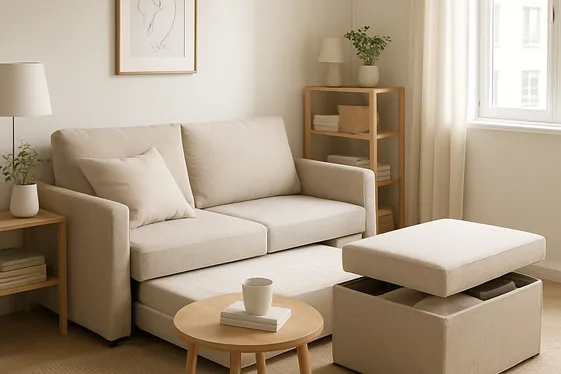
Look for furniture pieces that do double duty, like a sofa bed or an ottoman with storage inside. These smart choices let you switch up your space quickly, whether you’re hosting guests or just need extra room to stash blankets and books.
Opt for items that fit your apartment’s size but offer more than one function—think coffee tables with shelves or beds with built-in drawers. Multipurpose furniture often means less clutter and more freedom to rearrange. For example, a fold-out desk can transform your living room into a workspace without taking up permanent space.
Keep an eye out for lightweight, modular pieces that you can move around easily. This way, your apartment feels bigger and more adaptable as your needs change.
2. Create Vertical Storage with Wall Shelves
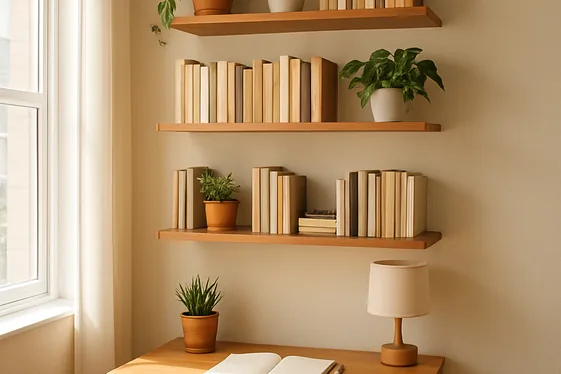
- Install floating shelves above desks or countertops to free up valuable surface space for everyday tasks.
- Opt for narrow, tall shelves in corners to utilize often overlooked vertical areas without crowding the room.
- Use sturdy brackets and anchors to ensure shelves can handle heavier items like books or kitchenware safely.
- Layer shelves with baskets or bins to keep clutter organized and visually tidy.
- Place shelves near frequently used zones—like entryways or bathrooms—to store essentials within easy reach.
Wall shelves unlock space above your head that often goes unused, helping you stash away items while keeping floors clear. I’ve noticed that apartments with well-placed vertical storage feel instantly more open and easier to navigate, especially when shelves are thoughtfully arranged by function.
3. Use Under-Bed Storage Bins for Hidden Space
Quick Tip:
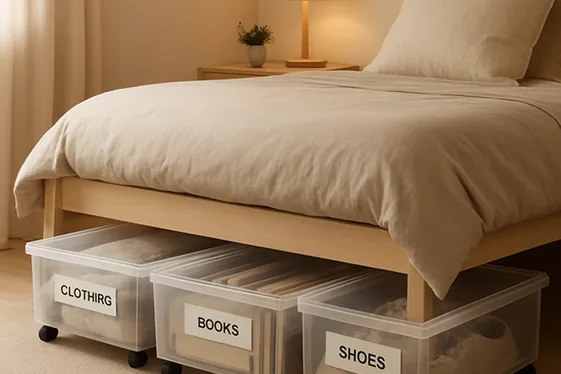
Slide clear plastic storage bins under your bed to tuck away seasonal clothes, extra linens, or shoes. Choose bins with wheels or easy-grip handles for quick access without the hassle of pulling everything out.
Maximize that forgotten under-bed space by measuring the clearance and picking slim, stackable bins that fit neatly beneath. Label each bin clearly to keep things organized. This simple swap frees up closet space while keeping clutter out of sight, making your apartment feel clean and roomy.
4. Transform Doors into Storage Zones
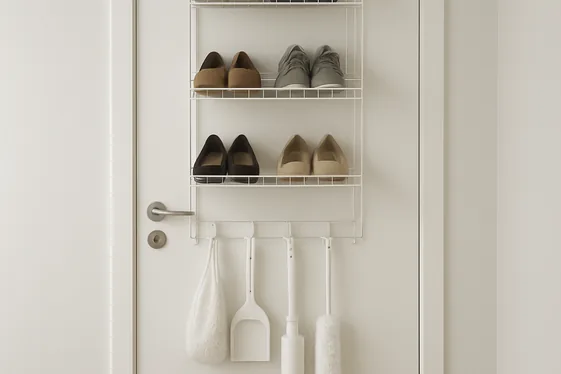
Before: Doors often end as dead space, simply swinging open with nothing more than paint or a simple knob. That unused area feels like a missed opportunity, especially when every inch counts in a small apartment.
After: Installing slim shelves, hooks, or hanging organizers on the back of doors transforms them into handy storage zones. Keys, cleaning supplies, or pantry items now have a dedicated spot, freeing up other surfaces and drawers.
Adding storage solutions to doors gives you vertical space to stash everyday essentials without clutter. Opt for over-the-door racks or attach narrow baskets to hold items like spices, shoes, or hats.
It’s a subtle switch that clears counters and closets, making your apartment feel larger and more organized—plus, it’s quick to install with no drilling needed if you choose the right hangers.
5. Declutter Regularly with a Rotation System

- Set a schedule to go through your belongings every 3 months. Mark it on your calendar to stay consistent.
- Group similar items together—clothes, kitchen tools, books—to spot what you haven’t used in a while.
- Pack away seasonal or rarely used items in labeled bins, and swap them out with the current season’s gear.
- Donate or sell items you haven’t touched in the past six months to clear out clutter without guilt.
- Rotate your display or stored items regularly to keep your space feeling fresh and organized.
In my experience, rotating what you keep accessible helps maintain order and reduces the temptation to hoard. A rotation system not only clears space but also highlights what you truly need. Keep clutter from piling up by sticking to your rotation dates—small efforts, big impact.
6. Invest in Foldable and Stackable Items
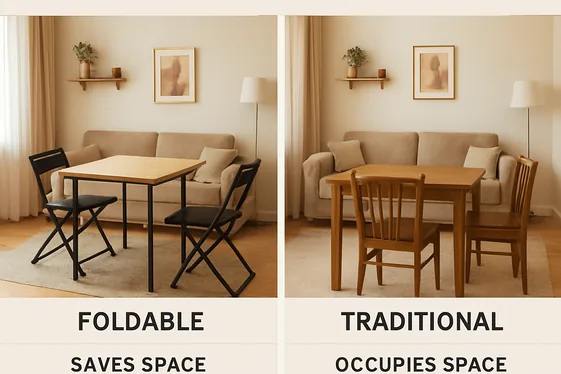
| Point | Traditional Furniture | Foldable & Stackable Items |
|---|---|---|
| Space Usage | Takes up permanent floor space | Can be folded or stacked to save space |
| Flexibility | Fixed shape and size | Adjusts to different needs or spots |
| Storage Ease | Difficult to move and store | Easy to tuck away when not in use |
Foldable chairs and tables let you create more room instantly, plus stackable bins keep your belongings neat and out of sight. Opt for lightweight materials like aluminum or plastic for easier handling. These items are especially handy when hosting guests or working from home—quickly switch from crowded to clean in seconds.
7. Hang Organizers Inside Cabinets
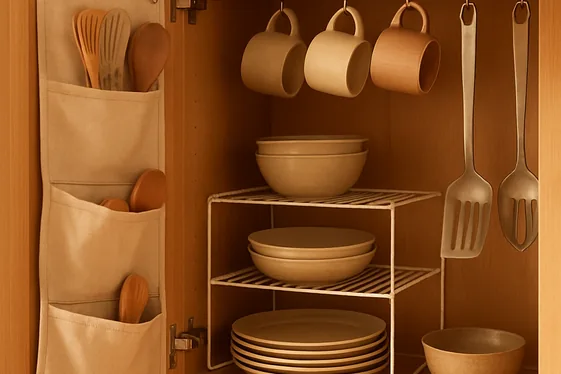
Do:
- Hang slim organizers with pockets on the inside of cabinet doors.
- Use adhesive hooks or tension rods to secure organizers without drilling.
- Choose organizers with clear or mesh pockets for easy visibility.
- Store small items like spices, cleaning supplies, or lids inside these pockets.
Don’t:
- Don’t overload organizers to avoid bending or damage to the cabinet door.
- Don’t place heavy items in hang organizers, as they can pull off.
- Don’t block cabinet hinges or shelves from fully opening.
- Don’t use permanent fasteners if you rent your apartment.
Cabinet door space often goes unused but can hold valuable storage. Slim hang organizers keep clutter off counters while making small items easy to find. Just keep weight in check and pick adhesive or removable hooks if drilling isn’t allowed. This simple switch frees drawer and shelf space instantly.
8. Label Everything for Easy Access
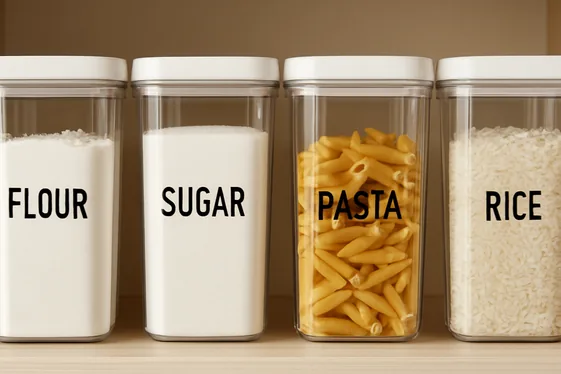
Cost: Minimal
Time: 1–2 hours
Skill Level: Beginner
Result: Instant organization boost
Labeling makes your storage game stronger. When bins, shelves, and drawers are clearly marked, you waste no time hunting for what you need. Grab some waterproof labels or a label maker and tag everything—spices, tools, kids’ toys, even cords. Clear visibility saves space by keeping clutter at bay because you’ll always know where items belong.
It’s an easy hack that keeps your small apartment feeling calm and ordered, even as stuff piles up. Keep labels visible but tidy to avoid visual overload.
9. Optimize Closet Space with Tiered Hangers
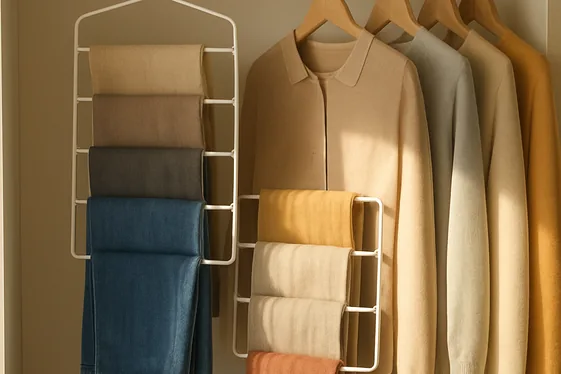
Tiered hangers collapse multiple clothing items into vertical layers, freeing up precious closet rod space. These clever hangers hold several pants, skirts, or shirts stacked neatly, which works especially well in small apartments where every inch counts. I’ve seen this work well in many cases where closets were bursting at the seams but suddenly had room for more outfits without more clutter.
Look for sturdy, slim-profile tiered hangers made of metal or durable plastic. Place them toward the back of your closet for easy access and pairing with matching wooden or velvet single hangers in front.
Quick Tip: Keep frequently worn items on single hangers upfront, so you don’t have to unstack the tiers daily. This hack transforms tight closets into organized, space-saving zones.
10. Store Kitchen Items by Frequency of Use
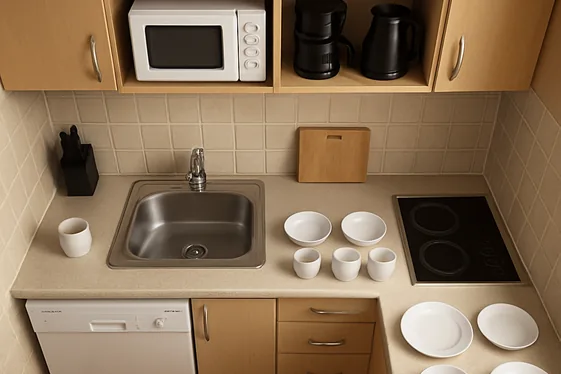
- Place everyday items like plates, mugs, and utensils within arm’s reach, ideally on a lower shelf or easy-access drawer.
- Store less frequently used appliances, such as waffle makers or juicers, in higher cabinets or a separate pantry.
- Keep baking tools and specialty gadgets tucked away in labeled bins or containers to keep countertops clear.
- Rotate seasonal kitchenware to the back or under the sink, so only what’s needed currently is visible.
Organizing kitchen items by how often you use them frees up prime spots for essentials and keeps the room feeling spacious. This method cuts down on digging through clutter when cooking and helps maintain a smooth workflow during busy meal prep times. Small adjustments like these can quickly maximize every inch without extra shelving or big renovations.
11. Install Magnetic Strips for Metal Tools
Quick Tip:
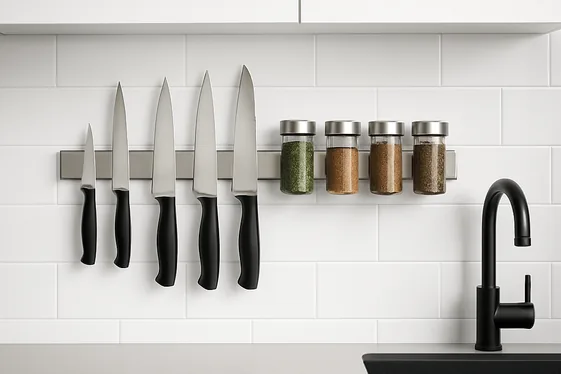
Install magnetic strips on your kitchen or workspace walls to hold metal tools like knives, scissors, or screwdrivers. This keeps them visible, easy to grab, and off crowded countertops or drawers.
Magnetic strips save tons of drawer space, especially in small apartments. Mount one above your stove for utensils or near your workbench for tools. Opt for a strip at least 12 inches long to hold several items, and use strong magnets to keep everything secure. It’s a tidy setup that keeps necessities handy without clutter.
12. Rearrange Furniture to Open Up Space
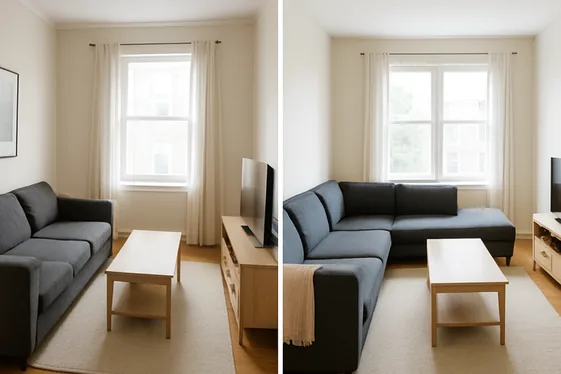
Before: Your living room feels cramped because all the furniture is pushed against the walls, blocking natural pathways and creating a boxed-in vibe. Moving around can be awkward and the space doesn’t seem to flow at all.
After: By pulling the sofa away from the wall and angling the chairs to create conversation spots, you open up clear walkways and make the room feel twice as big. The layout invites movement and the space suddenly feels welcoming and airy.
Rearranging furniture doesn’t mean buying new pieces. In my experience, shifting your couch away from the wall by a few inches and positioning chairs to face each other can create an inviting flow and a sense of openness instantly.
Keep walkways at least 24 inches wide to maintain easy movement. Try to balance the room with a central focal point like a coffee table or rug to anchor the space.
13. Use Clear Storage Containers for Visibility
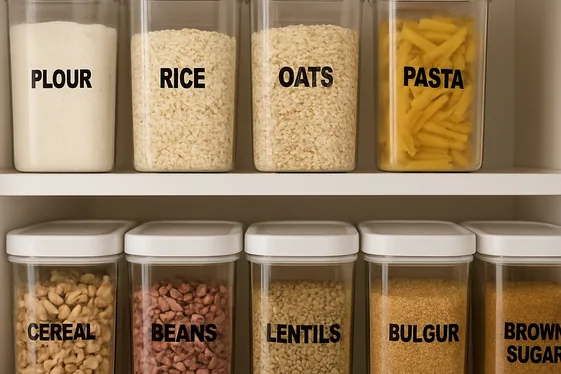
- Choose transparent containers made from clear plastic or glass to store your items.
- Label the edges or lids with permanent markers or simple tags for quick reference.
- Stack containers of similar sizes to keep shelves neat and save vertical space.
- Group similar items together so you can grab what you need without opening every box.
Clear storage containers make it easy to see what’s inside without rummaging through clutter. This visibility saves time and keeps your apartment organized because you won’t need to open every bin or shuffle items around. When everything’s visible, you’ll also avoid buying duplicates of things you already own—smart saving and less mess!
14. Switch to Slim, Rolling Storage Carts
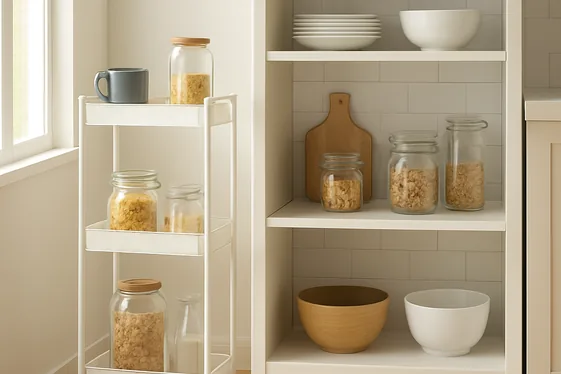
| Point | Bulky Storage Units | Slim, Rolling Storage Carts |
|---|---|---|
| Footprint | Takes up a lot of floor space | Fits into narrow gaps or tight spots |
| Mobility | Fixed; difficult to move once placed | Wheels allow easy repositioning |
| Accessibility | Items buried deep or hard to reach | Open shelves and rolling ease quick access |
Switching to slim, rolling storage carts can transform cramped corners into organized, accessible zones. Their compact form slips seamlessly into tight spaces like narrow hallways or kitchen nooks. Plus, wheels let you roll them out when needed, then tuck them away to free up room instantly—a smart shift for small apartments where every inch counts.
15. Set Up a Drop Zone for Daily Essentials
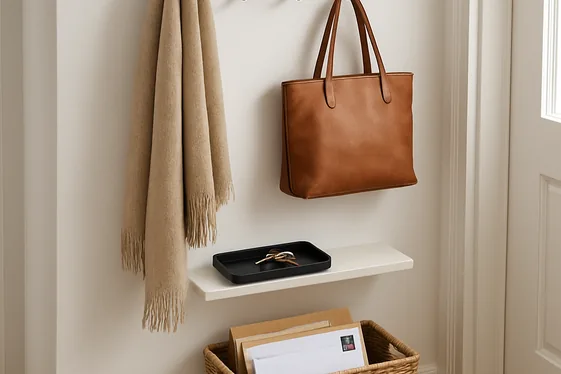
Do:
- Dedicate a small shelf or basket by your apartment’s main door for keys, wallets, and sunglasses.
- Keep a charging station for your phone and other gadgets in the drop zone.
- Use hooks or small trays for mail and important papers.
- Make sure the drop zone is easily accessible and clutter-free.
Don’t:
- Don’t overload the drop zone with items that don’t belong there.
- Avoid putting food or kitchen items in the drop zone area.
- Don’t leave receipts or junk mail piling up; sort them daily.
- Don’t place your drop zone in a hidden or hard-to-reach corner.
Setting up a drop zone for daily essentials creates a simple routine and cuts the frantic scramble before heading out. When your keys and phone always live in one spot, lost time vanishes. Plus, it keeps your apartment tidier and stress levels lower—big wins for busy homeowners juggling space and schedules.
16. Utilize Corner Spaces Effectively
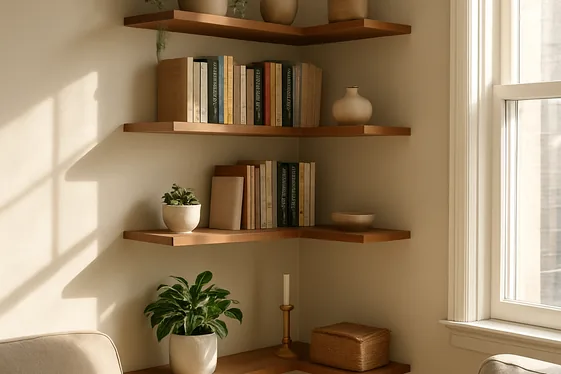
Cost: Low
Time: 1-2 hours
Skill Level: Beginner
Works In: Living rooms, kitchens, bedrooms
Corners often get overlooked, yet they hold precious square footage in small apartments. Measure the space and add corner shelves or corner desks to maximize vertical and horizontal storage. In my experience, fitting a cozy corner reading nook with layered cushions and a small lamp creates a functional retreat while using that dead space.
Corner kitchen racks for spices or pots also free up cabinet clutter. Don’t leave corners empty—make them work as storage hubs or lounging spots to stretch the footprint of your rooms. Just watch out for sharp edges if you share your space with kids or pets.
17. Create a Gallery Wall with Shelving
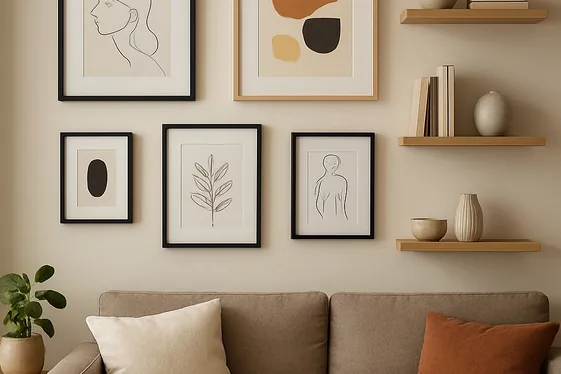
Turn a blank wall into a stylish, space-saving feature by installing floating shelves in a grid or staggered pattern. Mix framed photos, plants, and small décor pieces on the shelves to build a personalized gallery wall with depth. Choose shelves about 8-10 inches deep to hold both art and storage-friendly baskets.
Mount them at varying heights for visual interest while keeping the floor clear. Incorporate a few shelves with hooks underneath to hang keys or lightweight bags, maximizing vertical space even more. Select materials like wood or metal that match your apartment’s vibe.
This approach offers a flexible display and storage solution, ideal for showcasing collections without cluttering counters or tables. Keep shelf weight limits in mind to avoid damage—balance beauty with function for that perfect curated look.
18. Use Bed Risers to Increase Underbed Storage
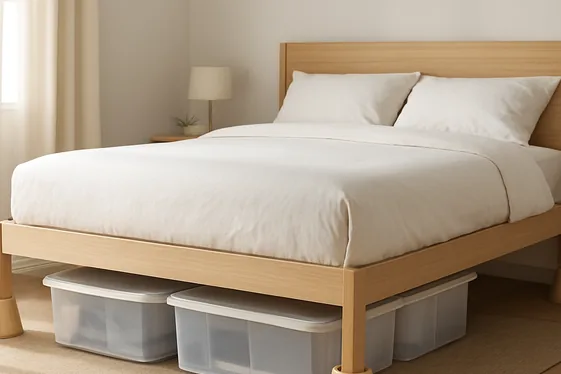
- Elevate your bed frame by 6-8 inches with sturdy bed risers, creating extra vertical space underneath.
- Opt for risers made from durable materials like wood or heavy-duty plastic to support the weight safely.
- Measure your current bed frame height before buying risers to ensure they fit well and don’t make your bed too high.
- Use clear plastic bins or slide-out drawers underneath the raised bed to neatly store seasonal clothes, shoes, or linens.
- Keep frequently used items near the edges for easy access without pulling everything out every time.
Bed risers transform the often-wasted space under your bed into a practical storage zone. By boosting height just enough, you gain room for bins or boxes without sacrificing comfort or safety. This hack works especially well in apartments with low closets, giving you an out-of-sight spot for bulky items while making your bedroom feel tidier.
19. Incorporate Hooks and Pegboards
Quick Tip:
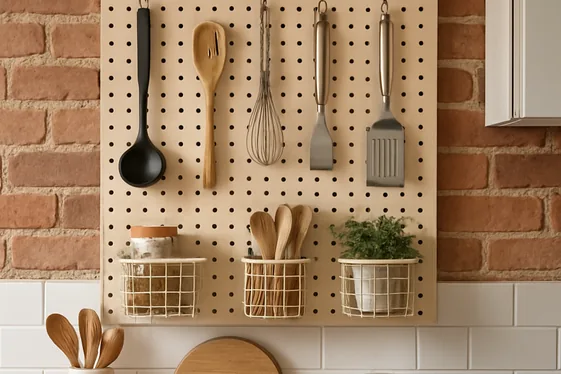
Fast-track your organization by installing hooks and pegboards on unused wall space. Hang pots, bags, keys, or even artwork to free up counters and drawers.
Hooks and pegboards transform bare walls into functional storage zones. In my experience, mounting a pegboard near the kitchen or entryway instantly clears clutter from surfaces. Plus, swapping out hooks for custom holders means your items stay neat and within reach. This system adapts as your storage needs shift, helping you stay organized without crowding small spaces.
20. Install Sliding or Pocket Doors
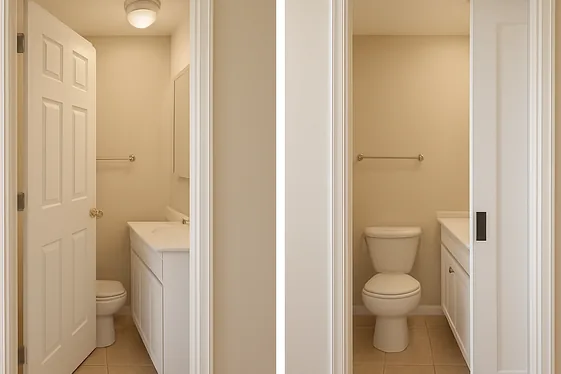
Before: Standard hinged doors swinging open into tight spaces often block pathways and limit furniture arrangements. Cluttered doorways and awkward room layouts make small apartments feel cramped and less functional.
After: Sliding or pocket doors glide smoothly along the wall, freeing up valuable floor space and allowing more flexible placement of furniture. Hallways and rooms open up, creating a cleaner, more streamlined look that maximizes every inch.
Swapping out bulky hinged doors for sliding or pocket doors instantly unlocks room potential. You gain more usable wall and floor space without sacrificing privacy or style. These doors slide silently and tuck away, perfect for closets, bathrooms, or dividing living areas. The end result? A practical, sleek upgrade that makes your apartment feel larger and more organized.
21. Maintain a Minimalist Approach
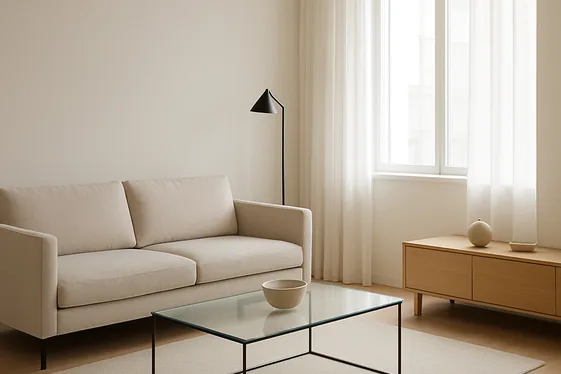
- Sort through your belongings and keep only what you use regularly or truly love.
- Choose multi-functional furniture pieces that serve more than one purpose to reduce clutter.
- Limit decorative items to a few meaningful pieces instead of crowding every surface.
Maintaining a minimalist mindset means respecting your small apartment’s limits by cutting down on unnecessary stuff. When every item earns its place, your space feels open and calming. It also makes cleaning easier and helps you focus on what matters most. Minimalism isn’t about stark emptiness — it’s about intentional living with room to breathe.
Conclusion
Maximizing space and storage in a small apartment is about smart strategies and thoughtful choices rather than a full remodel. Multipurpose furniture, vertical shelves, and under-bed storage create foundational gains in space efficiency. Decluttering regularly keeps your environment refreshing and manageable. Incorporating mobile furniture like rolling carts, as well as using doors and corners creatively, adds layers of convenience that often go unnoticed.
Practical tools like labels, hooks, and magnetic strips help maintain order and speed up your daily routines. Finally, adopting a minimalist mindset clears visual clutter and makes every inch breathe. With so many options explored here, you can mix and match hacks that suit your style and needs.
Whichever you pick, small apartment living can become an enjoyable, welcoming experience in 2026 and beyond. Keep experimenting, and you’ll find the perfect balance that turns compact spaces into roomy comforts.

Sarah Parker is a creative content writer with experience in crafting engaging, reader-friendly, and SEO-optimized content. She specializes in writing blog posts, website copy, social media captions, and digital marketing content across niches including lifestyle, home decor, business, and technology. Her writing style focuses on clarity, audience engagement, and search engine visibility.