25 Small Living Room Ideas That Feel Big
Designing a small living room can feel challenging, but with the right design strategies, even compact spaces can appear bright, open, and inviting.
Smart furniture placement, clever lighting, and thoughtful decor choices can dramatically change how a room feels.
Instead of focusing on limitations, small spaces provide opportunities to experiment with creative layouts and multifunctional furniture that maximize both style and practicality.
Pinterest trends in 2026 emphasize light color palettes, minimal clutter, and design elements that reflect light throughout the room.
These strategies help create the illusion of a larger space without requiring major renovations.
By choosing furniture carefully, using mirrors effectively, and keeping the room visually balanced, homeowners can transform a small living room into a comfortable and spacious-looking environment that feels stylish, modern, and welcoming.
1. Light Neutral Color Palette
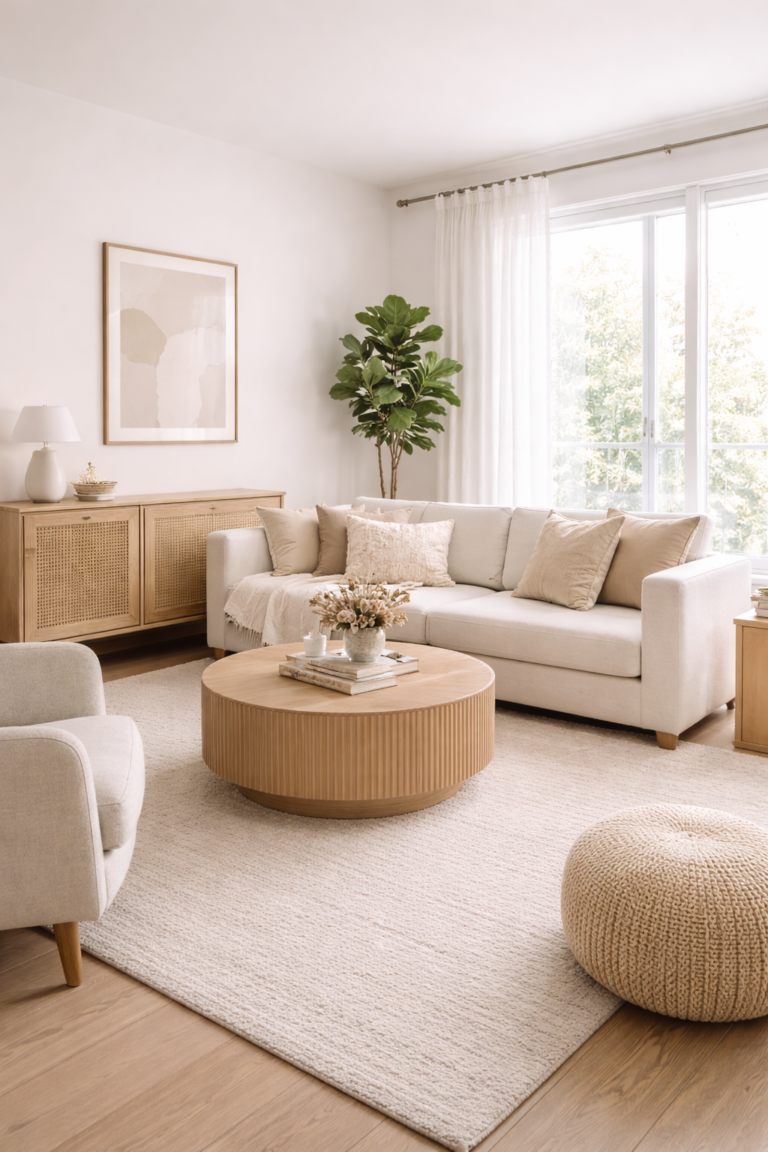
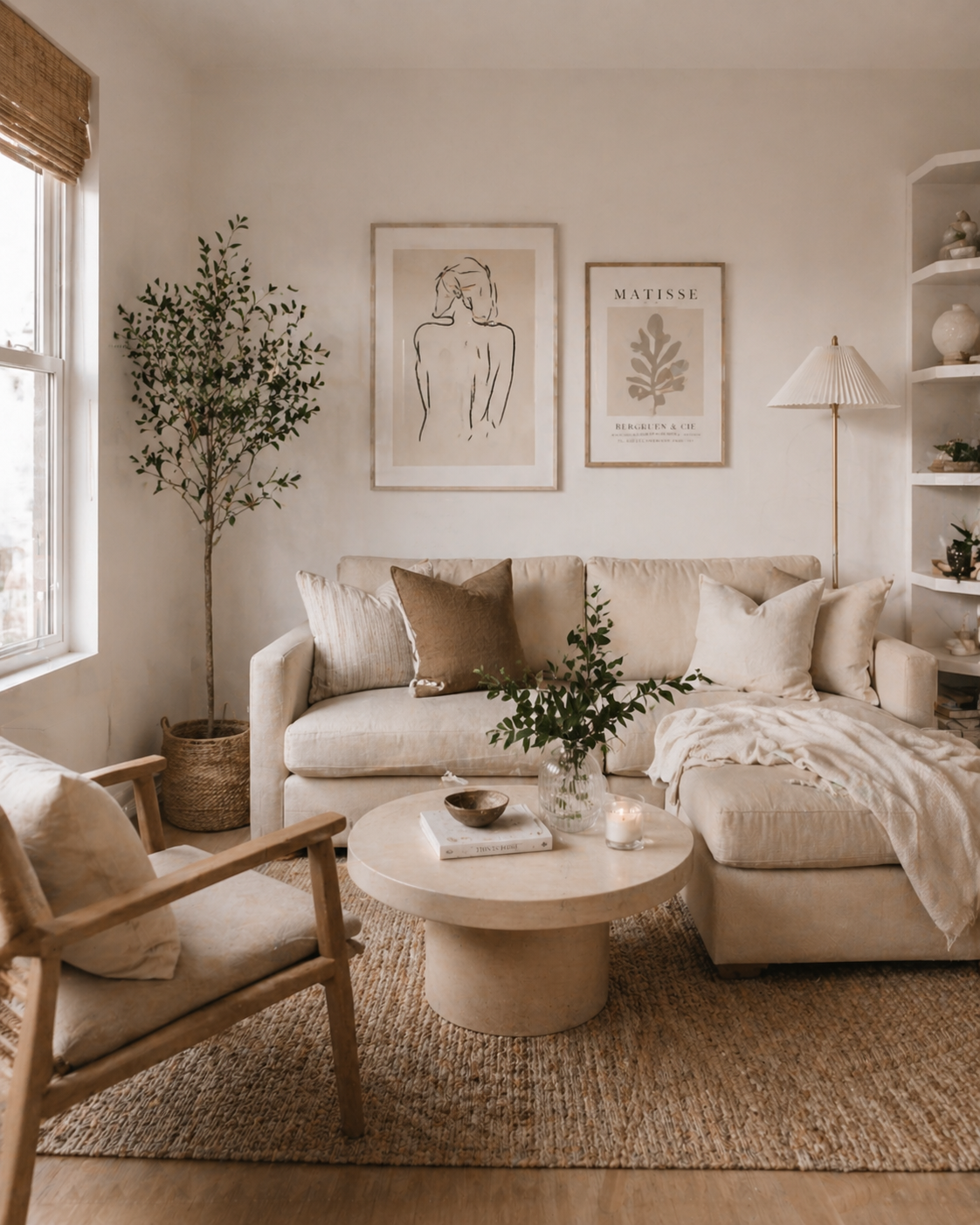
Using a light neutral color palette is one of the most effective ways to make a small living room appear larger. Colors such as white, cream, soft beige, and light gray reflect natural light and create an open feeling.
These shades prevent the room from appearing crowded or visually heavy, allowing the entire space to feel airy and calm.
Neutral colors also provide flexibility when decorating. Furniture, cushions, artwork, and plants can easily complement the palette without overwhelming the room.
Soft textures and natural materials help add warmth while maintaining brightness. A light neutral color scheme allows small living rooms to feel more spacious while still appearing stylish and inviting.
2. Use Large Mirrors
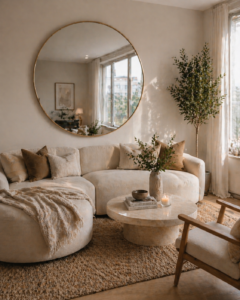
Mirrors are a powerful design element for visually expanding small spaces. A large mirror placed across from a window reflects natural light throughout the room,
making the space appear brighter and larger. This reflection creates depth that tricks the eye into perceiving a more spacious environment.
Decorative mirrors also serve as stylish wall accents while maintaining functionality. Choosing mirrors with elegant frames enhances the design without adding clutter.
When placed strategically behind furniture or along narrow walls, mirrors create the illusion of extended space. This simple design technique can dramatically transform the appearance of a small living room.
3. Multi-Functional Furniture
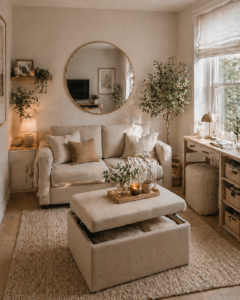
Multi-functional furniture is essential when designing a small living room. Pieces such as storage ottomans, sofa beds, or coffee tables with hidden compartments help maximize functionality without adding extra items to the room.
These furniture pieces serve multiple purposes while maintaining a clean and organized appearance.
Choosing versatile furniture helps reduce clutter and makes the room feel more open. Storage inside furniture keeps everyday items hidden while remaining accessible.
This approach allows the living room to remain stylish and comfortable while efficiently using limited space. Multifunctional pieces are key to maintaining both practicality and aesthetic balance.
4. Floating Shelves
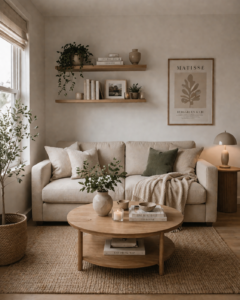
Floating shelves are an excellent way to add storage while keeping the floor space clear.
Mounted directly on the wall, these shelves provide room for books, decorative items, and small plants without taking up valuable square footage. This helps maintain an open and uncluttered living room layout.
Because floating shelves appear lightweight and minimal, they prevent the room from feeling overcrowded. Carefully arranged objects create visual interest without overwhelming the design.
Neutral shelves blend seamlessly with the wall, allowing decor pieces to stand out beautifully. Floating shelves are a smart storage solution for compact living rooms.
5. Low Profile Furniture
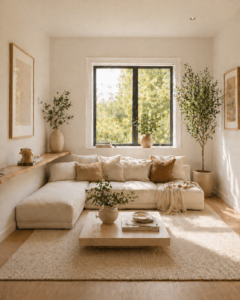
Low profile furniture helps small living rooms feel taller and more spacious. Sofas and chairs that sit closer to the floor create more visible wall space above them, making the room appear larger.
This design trick draws the eye upward and improves the overall balance of the room.
Minimalist furniture with clean lines enhances this effect further. Low-profile pieces also prevent the room from feeling visually crowded. Pairing these furniture items
with light-colored walls and simple decor creates a modern and open atmosphere. This approach is especially effective in apartments or compact homes.
6. Vertical Storage Solutions
Vertical storage makes excellent use of wall space while preserving floor area. Tall bookshelves or cabinets draw the eye upward, emphasizing height rather than width. This helps the room appear larger and more balanced.
Decorating vertical storage with books, plants, and framed photos creates visual interest without cluttering the space. Using the full height of the wall ensures maximum storage efficiency. Vertical storage keeps the living room organized while maintaining an open and stylish layout.
7. Glass Coffee Tables
Glass coffee tables help small living rooms feel less crowded because they allow light to pass through them. Unlike solid wooden tables, glass surfaces maintain visual openness and prevent furniture from blocking the view of the floor.
The transparent design also complements many interior styles, from modern to minimalist. Glass tables reflect light and help brighten the room naturally. This subtle design choice improves the perception of space without sacrificing functionality.
8. Minimal Decor Styling
Minimal decor helps maintain a clean and spacious living room environment. Too many decorative items can quickly make a small space feel cluttered. Instead, choosing a few carefully selected decor pieces allows the room to remain balanced and visually calm.
Plants, artwork, and soft textiles can add personality without overwhelming the space. Keeping surfaces clear and organized enhances the feeling of openness. Minimal styling ensures the living room feels relaxing and comfortable while maximizing available space.
9. Wall Mounted Lighting
Wall mounted lighting is an excellent solution for small living rooms because it frees up valuable floor and table space. Instead of using bulky floor lamps, installing wall sconces provides soft lighting while maintaining a clean and uncluttered layout. This lighting option keeps surfaces clear and helps the room feel more open and organized.
Wall lights also add elegance and architectural interest to the room. Warm lighting creates a cozy atmosphere during evenings while highlighting decorative elements such as artwork or textured walls. Because the fixtures sit above eye level, they draw attention upward and subtly enhance the perception of height within the living room.
10. Compact Sectional Sofa
A compact sectional sofa provides comfortable seating while maximizing available space in a small living room. Unlike traditional sofas paired with separate chairs, sectionals combine seating into one streamlined piece of furniture. This arrangement helps maintain an organized layout without overcrowding the room.
Choosing a sectional with clean lines and light fabric keeps the room feeling airy. Placing the sectional along walls or corners allows more open floor area in the center of the room. This smart furniture choice ensures the living room remains both functional and visually balanced.
11. Sheer Curtains
Sheer curtains allow natural light to flow freely into the living room while still providing a soft decorative touch. Unlike heavy drapes that block sunlight, sheer fabrics brighten the space and create an open, airy feeling. This lighting effect helps small living rooms appear larger and more welcoming.
The lightweight fabric also adds gentle texture without overwhelming the design. Sheer curtains pair beautifully with neutral walls and minimalist decor. By allowing daylight to illuminate the room, they create a comfortable environment that feels fresh, bright, and visually spacious.
12. Built-In Storage Units
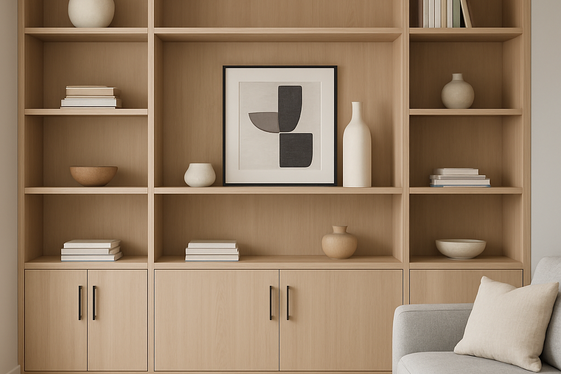
Built-in storage units help small living rooms stay organized while maintaining a seamless design. These storage solutions blend into the wall, eliminating the bulky appearance of freestanding furniture. Cabinets and shelves provide space for books, electronics, and decorative items without crowding the room.
Because built-in storage follows the wall’s structure, it keeps the floor area clear and uncluttered. Neutral colors help the units blend with surrounding walls, maintaining a cohesive design. Built-ins provide practical organization while supporting a clean and spacious appearance.
13. Slim Leg Furniture
Furniture with slim legs can make a living room feel more open because the floor remains visible beneath the pieces. This design allows light and sightlines to pass through the furniture rather than being blocked by bulky bases. The result is a lighter, more spacious appearance.
Slim-leg furniture also adds elegance and modern style to the room. Sofas, chairs, and tables with thin metal or wooden legs maintain functionality without overwhelming the space. This subtle design detail contributes significantly to creating an airy environment.
14. Vertical Artwork Display
Displaying artwork vertically helps draw attention upward and emphasizes the height of the room. Instead of spreading art across the walls horizontally, stacking pieces vertically creates the illusion of taller walls. This simple trick visually expands the space.
Vertical artwork arrangements also add personality and creativity to the living room. Choosing coordinated frames or color themes keeps the display balanced. This design technique enhances the room’s character while subtly improving spatial perception.
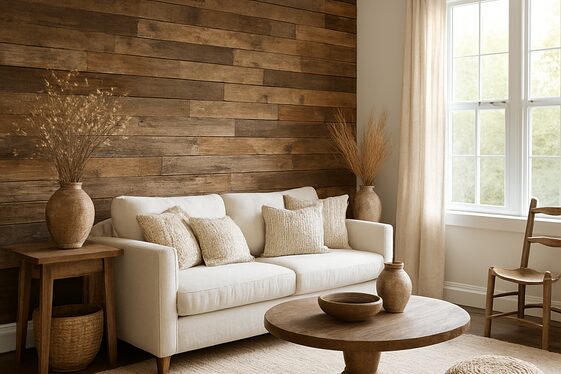
15. Light Wood Furniture
Light wood furniture contributes to a bright and open atmosphere in small living rooms. Materials such as oak, maple, or birch reflect light naturally, helping the space appear larger. These tones also complement neutral color palettes and minimalist interiors.
Light wood furniture adds warmth without making the room feel heavy. Pairing wooden elements with soft fabrics and simple decor creates a balanced aesthetic. The result is a welcoming and visually spacious environment.
16. Hidden Storage Ottomans
Storage ottomans are multifunctional pieces that help keep small living rooms organized. These ottomans provide seating or footrests while hiding storage compartments inside. Blankets, magazines, and remote controls can be stored neatly out of sight.
Because the storage is concealed, the living room remains visually clean and uncluttered. Ottoman designs come in many styles that complement sofas and chairs. This practical furniture choice supports both organization and comfort.
17. Open Leg Coffee Table
Coffee tables with open legs create a lighter visual presence compared to bulky solid tables. The open structure allows more floor space to remain visible, which helps the room appear less crowded. This transparency contributes to a sense of openness.
Open-leg tables also work well in modern or minimalist interiors. Glass or thin metal frames enhance the airy effect. Choosing a lightweight coffee table keeps the center of the room visually clear while maintaining functionality.
18. Corner Seating Arrangement
Using corners effectively helps maximize space in small living rooms. Placing seating arrangements into corners allows the center of the room to remain open for movement. This layout prevents furniture from blocking pathways.
Corner seating also creates a cozy conversation area where people can gather comfortably. Adding a small coffee table or rug helps define the seating zone. This arrangement balances comfort with spatial efficiency.
19. Monochrome Color Scheme
A monochrome color scheme uses different shades of a single color to create visual harmony. This approach prevents the room from feeling visually cluttered because the palette remains cohesive. Soft variations within the same color family maintain interest while keeping the design calm.
Monochrome rooms also appear more spacious because the eye moves smoothly across surfaces without interruption. Adding subtle textures prevents the space from feeling flat. This design strategy combines simplicity with sophistication.
20. Reflective Decor Elements
Reflective decor elements help distribute light throughout a small living room. Materials such as metallic frames, glass decor, or mirrored trays bounce light around the room, creating brightness and depth.
These reflective surfaces also introduce elegance and visual interest. Small accents can dramatically enhance the atmosphere without occupying much space. Reflective decor contributes to a brighter and more spacious environment.
21. Foldable Furniture
Foldable furniture offers flexibility in compact living spaces. Tables, chairs, or desks that fold away when not in use help maintain an open layout. This makes the room feel larger and more adaptable.
When guests arrive or additional seating is needed, foldable pieces can quickly be set up. This design approach allows homeowners to adjust their living space easily. Foldable furniture is practical for small apartments or multifunctional rooms.
22. Open Wall Space
Leaving some wall areas intentionally empty can make a small living room feel more spacious. Overdecorating walls may create visual clutter and make the room appear crowded. Open wall space allows the design to breathe.
Minimal wall decor also highlights key design elements such as furniture or artwork. This balanced approach ensures the room remains visually calm and comfortable.
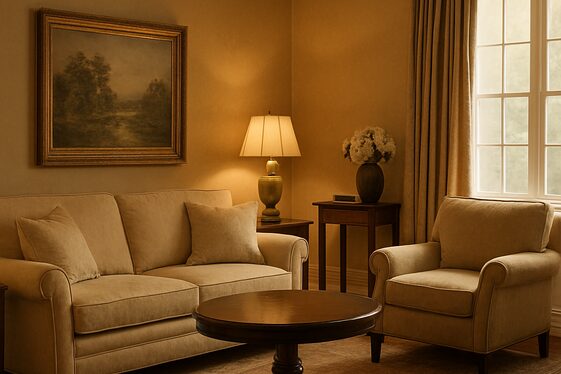
23. Large Statement Artwork
Using one large artwork instead of many small pieces simplifies the visual layout of the room. A single statement piece draws attention and adds character without overwhelming the wall.
Large artwork creates a focal point that anchors the design. This technique keeps the room looking organized and elegant.
24. Strategic Lighting Layers
Layered lighting combines ceiling lights, floor lamps, and table lamps to create balanced illumination. Multiple light sources prevent dark corners and make the room feel larger.
Warm lighting enhances comfort and highlights decor features. Strategic lighting improves both functionality and atmosphere.
25. Open Layout Design
Open layouts remove unnecessary barriers between spaces, allowing small living rooms to feel larger. Without walls separating rooms, light travels freely throughout the home.
Furniture placement helps define functional areas while maintaining openness. This layout encourages flexibility and creates a spacious living environment.

Sarah Parker is a creative content writer with experience in crafting engaging, reader-friendly, and SEO-optimized content. She specializes in writing blog posts, website copy, social media captions, and digital marketing content across niches including lifestyle, home decor, business, and technology. Her writing style focuses on clarity, audience engagement, and search engine visibility.