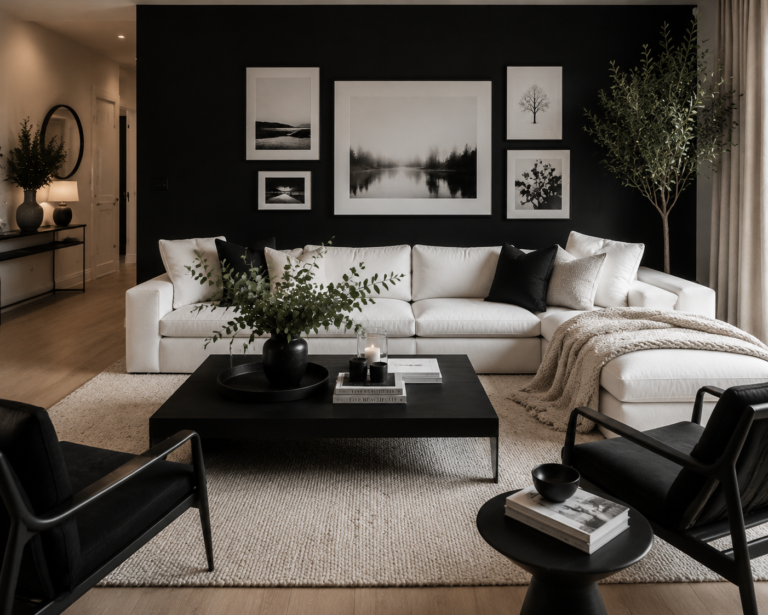
Living in an apartment often means working with limited space, especially when your living room and bedroom share the same area. Finding the right balance between comfort, style, and functionality can feel tricky, but it doesn’t have to be!
This 18 Apartment Living Room and Bedroom Combo Ideas Guide is designed to inspire you with clever, practical, and modern solutions that make the most of your space. Whether you’re in a cozy studio or a one-bedroom, these tips will help you create a space that’s both relaxing and stylish.
From smart furniture choices to clever layout hacks, each idea focuses on maximizing usability while keeping your aesthetic fresh and modern. Let’s dive into these apartment-friendly concepts and turn your living and sleeping area into a personalized oasis that feels roomy and inviting without breaking the bank or overcomplicating your décor.
Ready to rethink your combo room? Let’s get started!
1. Create Defined Zones with Area Rugs
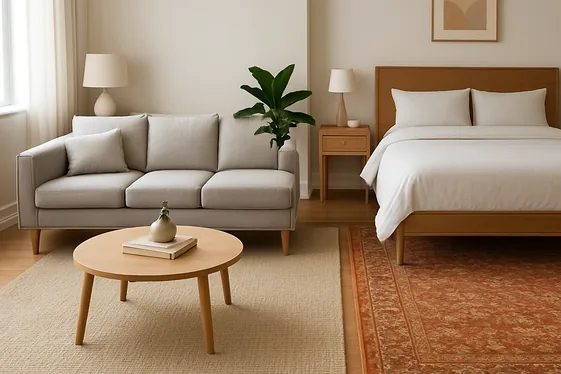
Area rugs are a simple but powerful tool for visually separating living and sleeping areas in a single space. Start by choosing rugs that contrast in color or texture to mark each zone clearly. For example, a plush, soft rug under your bed area can create a cozy vibe, while a flatweave rug in the living area keeps it lighter and easier to clean.
Make sure the rugs are proportional—overly large rugs can overpower a small space. Separating zones with rugs helps break up the monotony and prevents your living room and bedroom from feeling like one continuous, cluttered room.
You can place your sofa legs on the edge of the living room rug to anchor that zone, leaving the bedroom rug fully under the bed for a dedicated sleeping space feel. This technique creates a sense of order and flow, letting you enjoy distinct areas even within a compact apartment.
This keeps the idea practical, clear, and easy for readers to use right away. It also adds a little more helpful detail without making the writing sound stiff. A simple, thoughtful explanation like this helps the whole article feel complete.
2. Opt for Multi-Functional Furniture Pieces
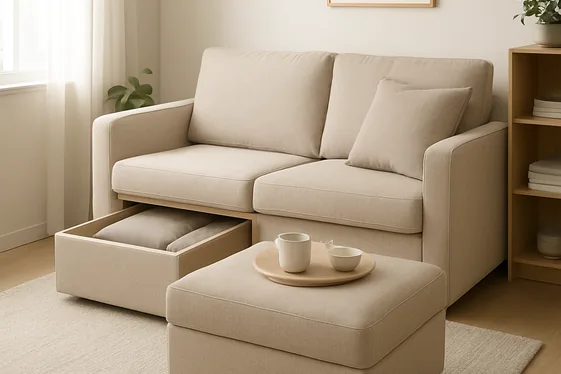
- Choose a sofa with built-in storage to keep blankets and pillows out of sight.
- Pick an ottoman that doubles as a coffee table and storage unit.
- Use nesting tables that can be spread out or stacked depending on need.
- Select a bed frame with drawers underneath to maximize bedroom storage.
- Consider a fold-down desk that can serve as a console table when closed.
In my experience, multi-functional furniture makes a huge difference in small apartments because it reduces clutter without sacrificing comfort or style. These pieces help you do more with less, making your combo room feel bigger and more organized. Invest in items that can easily transition between living and sleeping needs, giving you the flexibility needed for daily life.
This keeps the idea practical, clear, and easy for readers to use right away. It also adds a little more helpful detail without making the writing sound stiff. A simple, thoughtful explanation like this helps the whole article feel complete.
3. Use Vertical Storage Solutions
Quick Tip:
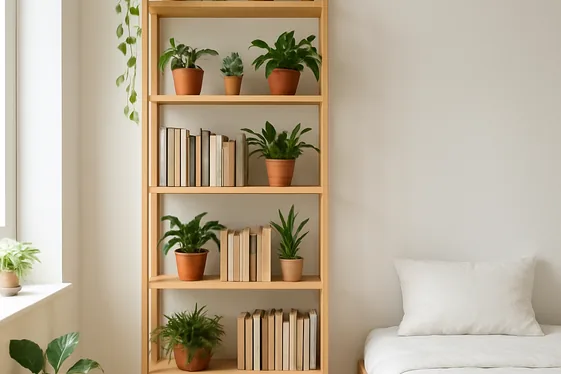
Think tall, not wide. Vertical storage expands your available space without crowding your floor.
Shelves that reach up close to the ceiling, stacked storage cubes, or tall, narrow bookcases utilize vertical space beautifully. In small apartments, I often see folks neglect their walls, which are prime real estate for storing and displaying things. You can mount floating shelves above your bed or sofa to hold décor, plants, and everyday essentials.
Hooks and pegboards also offer clever spots for hanging bags, headphones, or accessories, freeing up your floor area. Opt for light-colored or open-design shelving to cut down visual bulkiness. Vertical storage helps maintain a clean, airy feeling, which is essential when living, working, and sleeping share the same square footage.
This keeps the idea practical, clear, and easy for readers to use right away. It also adds a little more helpful detail without making the writing sound stiff. A simple, thoughtful explanation like this helps the whole article feel complete.
4. Install a Room Divider for Privacy
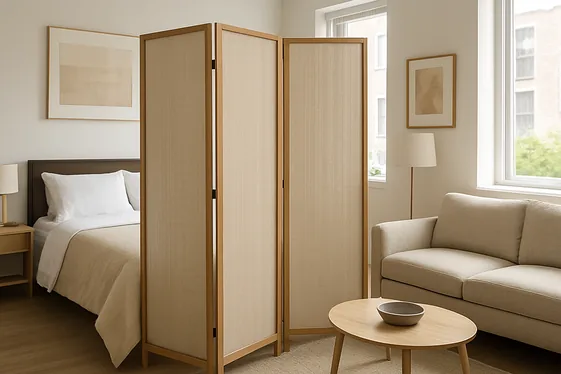
Before: Combining your living room and bedroom without separation often means no privacy and a cluttered feel. Conversations or workspaces overlap with your personal sleeping zone, leading to discomfort.
After: Installing a room divider creates distinct spaces that offer privacy and calm. Even a simple foldable screen or a shelf unit doubles as a wall, making your apartment feel more organized and less like one big box.
Dividers are incredibly useful when hosting guests or even just for your peace of mind. Choose lightweight materials for easy repositioning, or use curtains that can be drawn back or closed as needed. This small addition helps transform a combined space into multi-functional, comfortable zones with clear boundaries.
This keeps the idea practical, clear, and easy for readers to use right away. It also adds a little more helpful detail without making the writing sound stiff. A simple, thoughtful explanation like this helps the whole article feel complete.
5. Choose a Daybed or Sofa Bed
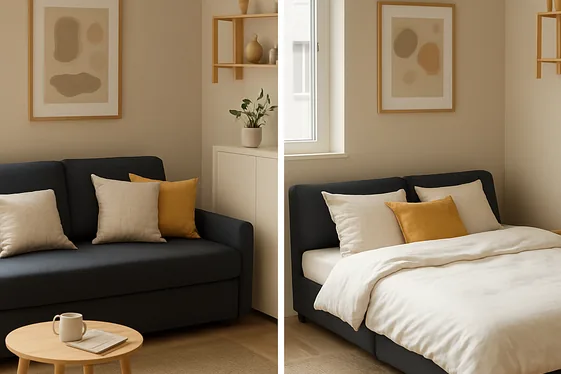
- Measure your room’s dimensions carefully to ensure your daybed or sofa bed fits comfortably.
- Pick a style that complements your existing décor and balances function with aesthetics.
- Test the mattress or cushion quality to ensure comfort for both sitting and sleeping.
- Check for built-in storage options beneath the frame to maximize space efficiency.
- Place the daybed or sofa bed against a wall to optimize floor space.
That’s why many experts recommend daybeds or sofa beds for small apartments—they offer a dual-purpose solution without needing separate furniture. These pieces make it easy to switch between lounging and sleeping, which is essential when rooms combine. Selecting the right size and style takes some planning but pays off with versatile comfort and space savings.
This keeps the idea practical, clear, and easy for readers to use right away. It also adds a little more helpful detail without making the writing sound stiff.
6. Compare Murphy Beds vs Loft Beds
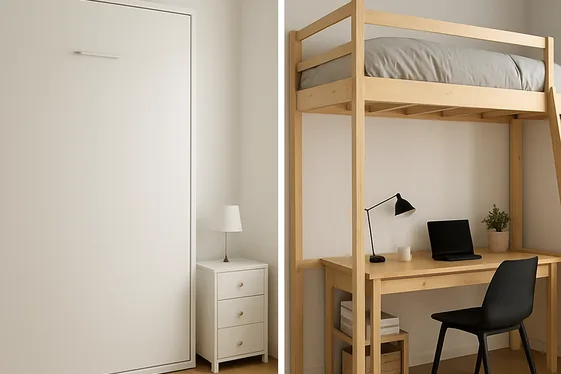
| Feature | Murphy Bed | Loft Bed |
|---|---|---|
| Space Saving | Folds vertically to save floor space | Elevates sleeping area, frees floor below |
| Installation | Requires wall mounting hardware | Freestanding, easier to install |
| Best For | Studio apartments and minimalists | Those needing workspace or seating below |
Murphy beds are fantastic if you want the flexibility to completely clear your bedroom area, folding your bed into the wall during the day. Loft beds create extra usable space by lifting your sleeping area up, giving you room for a desk, sofa, or storage underneath.
Both options unlock valuable floor room, making your apartment feel larger and more functional. This keeps the idea practical, clear, and easy for readers to use right away. It also adds a little more helpful detail without making the writing sound stiff.
7. Do and Don’t: Color Palette Choices
Do:
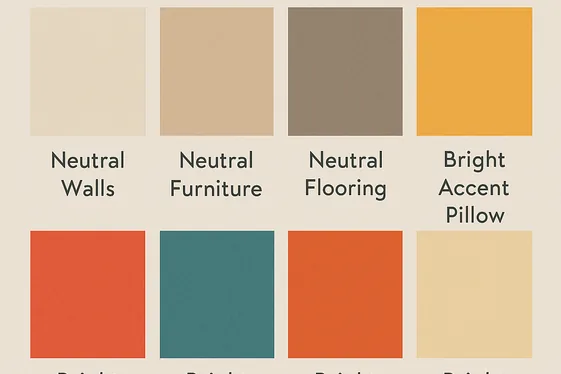
- Pick a cohesive color palette with 2 to 3 main colors to unify the space.
- Use light or neutral shades to help reflect light and open the room.
- Bring in pops of color through accents like pillows or rugs.
- Opt for colors that promote relaxation in the bedroom zone.
Don’t:
- Use too many bold or competing colors that visually fragment the space.
- Choose overly dark hues that shrink the combined area.
- Forget to balance warm and cool tones for comfort.
- Overcrowd with patterns that creating chaotic visuals.
Color is a powerful tool for blending your living room and bedroom in a way that feels harmonious rather than cluttered. A balanced palette sets a soothing atmosphere while letting each zone keep its identity.
This keeps the idea practical, clear, and easy for readers to use right away. It also adds a little more helpful detail without making the writing sound stiff.
8. Quick Facts About Lighting Options
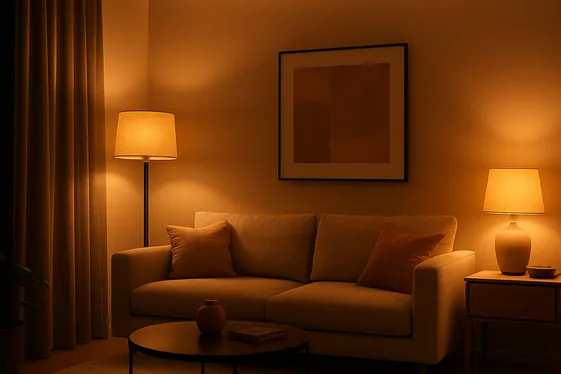
Cost: Moderate to High depending on fixture style
Time: A few hours to install
Best For: Creating cozy or lively ambiance
Skill Level: Beginner to Intermediate
Strategic lighting can dramatically transform your living room-bedroom combo by visually defining spaces and enhancing mood. Layer different light sources such as floor lamps for the living area and soft bedside lamps to create contrast between zones. Consider dimmable LED bulbs for flexibility throughout the day and night, lending a warm and inviting atmosphere.
This keeps the idea practical, clear, and easy for readers to use right away. It also adds a little more helpful detail without making the writing sound stiff.
9. Maximize Natural Light Flow
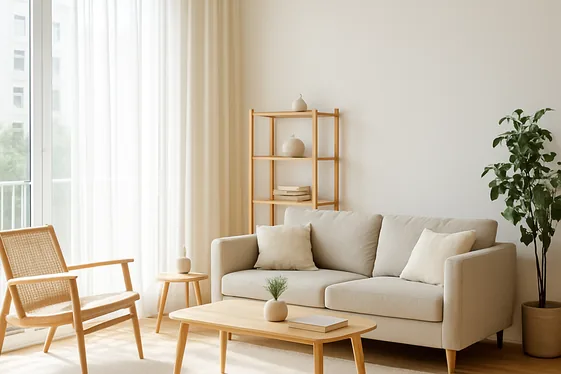
Open curtains fully and avoid heavy window treatments that block sunlight from pouring into your combo room. Arrange your furniture to keep windows unobstructed—placing sofas or beds parallel or perpendicular to windows rather than directly in front. When natural light fills the room, the space instantly feels larger and more breathable.
I’ve seen this work well in many cases by simply swapping heavy drapes for sheer curtains or blinds. Mirrors also amplify natural light by reflecting it across the room, so try positioning one opposite a window to brighten your apartment. The key is to embrace the light you have, giving both your living room and bedroom a fresh, airy vibe.
This keeps the idea practical, clear, and easy for readers to use right away. It also adds a little more helpful detail without making the writing sound stiff.
10. Incorporate Foldable and Sliding Furniture
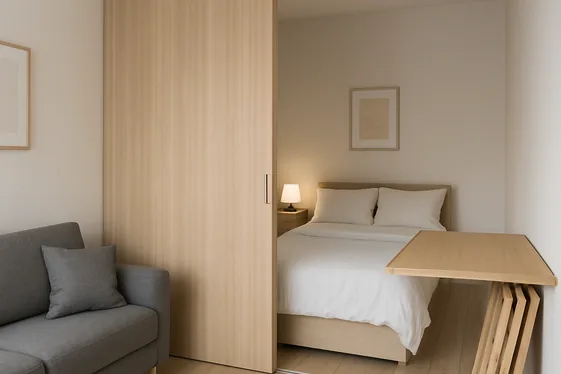
- Invest in foldable dining tables that tuck neatly away when not in use.
- Use sliding doors or panels to separate areas without sacrificing floor space.
- Choose folding chairs that can be stacked or hung on walls.
- Look for wall-mounted fold-out desks or shelves to maximize floor area.
Foldable and sliding furniture is an ideal solution when apartment space is at a premium. It gives you the option to expand or contract your living space as needed, adapting easily to different activities. I’ve noticed people who embrace this flexibility tend to feel less cramped and enjoy a more efficient setup that matches their changing daily rhythms.
This keeps the idea practical, clear, and easy for readers to use right away. It also adds a little more helpful detail without making the writing sound stiff.
11. Quick Tip on Wall-Mounted Desks
Quick Tip:
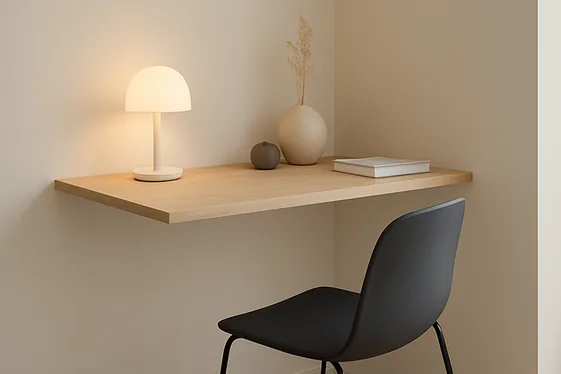
Secure a wall-mounted desk at a comfortable height that doubles as a workspace and vanity.
A floating desk uses minimal floor space and can be installed right where you need it—between the living and bedroom zones or against an unused wall. Depending on your style, it can also act as a console or display station when not in use. Proper lighting and ergonomic seating make this solution feel like it belongs, keeping your combo area functional and uncluttered.
This keeps the idea practical, clear, and easy for readers to use right away. It also adds a little more helpful detail without making the writing sound stiff.
12. Before and After: Closet Space Optimization
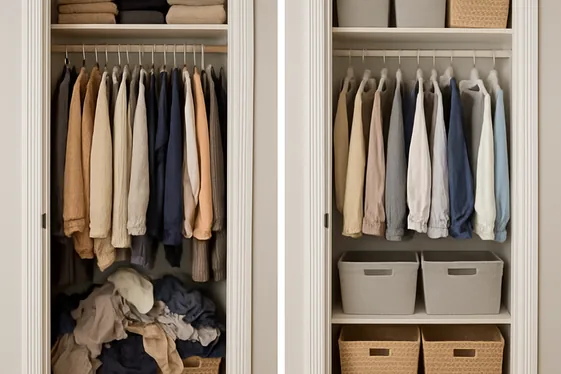
Before: Cramped closets overloaded with clothes and scattered storage items create clutter that spills into your living-bedroom combo, reducing comfort and increasing stress.
After: Using slim hangers, shelf dividers, and storage bins turns narrow closets into organized, efficient spaces. This reduces overflow into living areas and streamlines your daily routine.
Closet optimization often goes unnoticed but plays a huge role in maintaining a neat combo space. Carefully organizing your closet means less visual clutter outside, which helps the limited apartment space breathe and feel welcoming.
This keeps the idea practical, clear, and easy for readers to use right away. It also adds a little more helpful detail without making the writing sound stiff.
13. Steps to Layer Textiles for Comfort
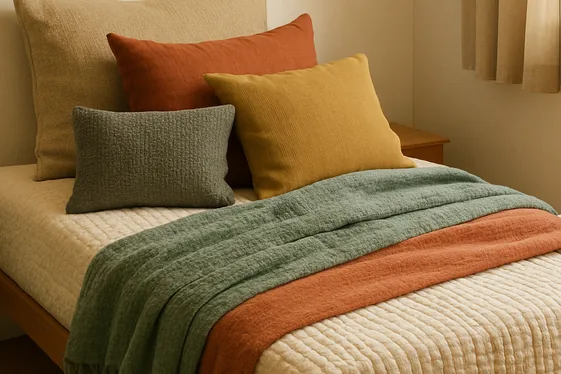
- Start with a simple, fitted sheet on your bed or daybed.
- Add a lightweight blanket or quilt for warmth and texture variety.
- Include a few throw pillows in different sizes for visual interest and support.
- Drape a soft throw at the foot of the bed or over the sofa arm for easy use.
- Coordinate textile colors and fabrics with overall room décor for harmony.
I’ve seen this layering technique enhance both comfort and style in compact spaces, making every zone feel cozy without bulk. The texture contrast breaks monotony and invites relaxation, a must for any combined living and sleeping area.
This keeps the idea practical, clear, and easy for readers to use right away. It also adds a little more helpful detail without making the writing sound stiff.
14. Comparison of Open Shelving vs Closed Cabinets
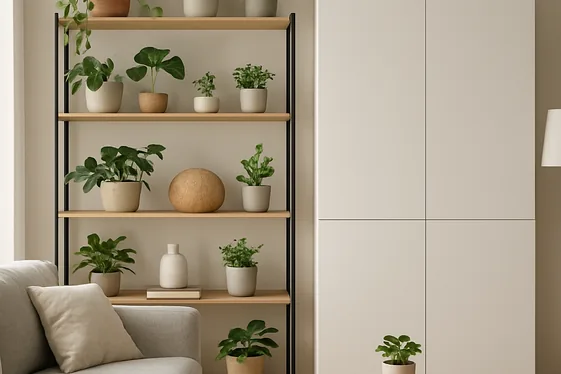
| Feature | Open Shelving | Closed Cabinets |
|---|---|---|
| Visual Impact | Airy, displays décor and essentials | Streamlined, hides clutter |
| Maintenance | Requires frequent tidying | Easier to keep neat |
| Best Use | Showcasing plants, books, stylish items | Storing clothes, personal items |
Choosing between open shelving or closed cabinets often depends on your personal style and organization habits. Open shelves make your combo space feel open and inviting but need regular upkeep, while closed cabinets hide mess and create cleaner lines.
Both can work beautifully when balanced thoughtfully in your apartment. This keeps the idea practical, clear, and easy for readers to use right away. It also adds a little more helpful detail without making the writing sound stiff.
15. Do and Don’t: Accessorizing Small Spaces
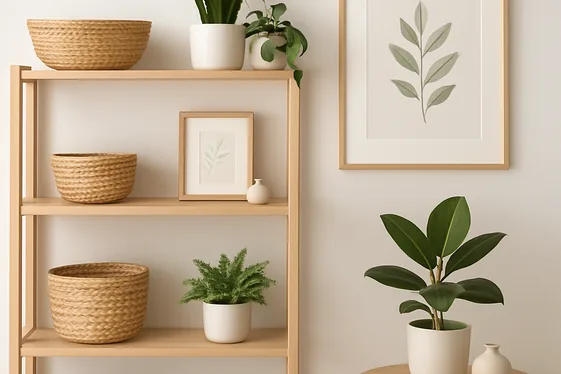
Do:
- Select meaningful art or mirrors to personalize zones without crowding.
- Use plants to add life and fresh air.
- Choose multi-use décor pieces like baskets for storage.
- Keep surface décor minimal for easy cleaning.
Don’t:
- Overload surfaces with knickknacks that collect dust.
- Use oversized or bulky framed art that overwhelms walls.
- Forget to scale accessories appropriately for small spaces.
- Ignore functionality for the sake of decoration.
Accessorizing helps tie your combined living room and bedroom together artistically while maintaining function. Thoughtful curation keeps your space inviting, fresh, and easy to maintain. This keeps the idea practical, clear, and easy for readers to use right away. It also adds a little more helpful detail without making the writing sound stiff.
16. Lighting Quick Facts for Ambiance
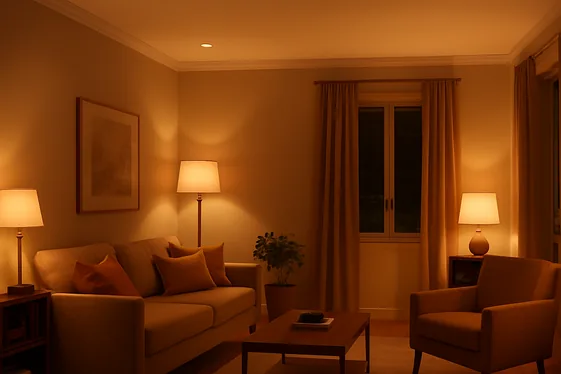
Cost: Varies from budget-friendly bulbs to premium fixtures
Time: Installation can be quick or require electrician
Skill Level: DIY-ready to professional
Result: Creates layered lighting and mood control
Layering your apartment’s lighting with floor lamps, table lamps, and overhead fixtures creates a dynamic environment. I’ve noticed rooms with just one harsh overhead light feel sterile, while layered lighting delivers warmth and depth. Warm-toned LEDs and dimmers let you adjust brightness to relax or energize your room, which is especially important for dual-purpose spaces.
This keeps the idea practical, clear, and easy for readers to use right away. It also adds a little more helpful detail without making the writing sound stiff.
17. Mix and Match Patterns Thoughtfully
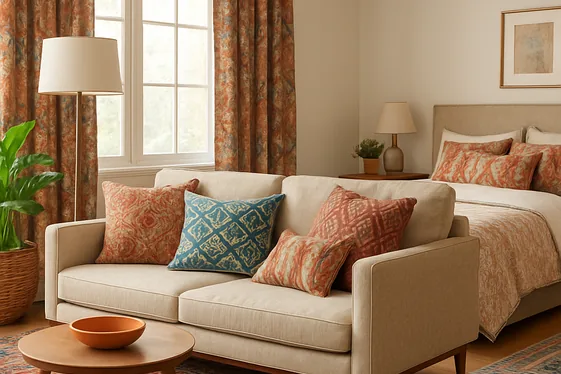
Careful mixing of patterns can inject personality without chaos. Use different scales of patterns—think large floral curtains paired with small geometric cushions—to maintain balance and harmony. Limit your palette to a few complementary colors to keep cohesion while adding visual interest. I’ve learned that sticking to two to three pattern types per space reduces busyness. Patterned rugs, throws, or pillows can define zones: bolder prints in the living area, softer ones in the bedroom.
The key is playful cohesion that brings energy without overwhelming. This keeps the idea practical, clear, and easy for readers to use right away. It also adds a little more helpful detail without making the writing sound stiff.
18. Bulletproof Storage Hacks for Small Apartments
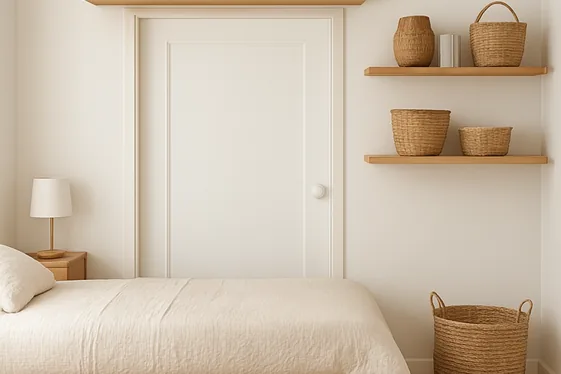
- Utilize under-bed storage bins to hide off-season clothes or shoes.
- Hang shelves above door frames to use leftover vertical space.
- Use decorative baskets that double as storage and décor.
- Place stackable trays on desks or nightstands to contain small items.
Storage is the backbone of tidy apartment combos. In my experience, creative solutions like these keep daily essentials within reach but out of sight. These hacks make maintaining clean and efficient living and bedroom areas far easier, letting you enjoy your space without the stress of clutter.
This keeps the idea practical, clear, and easy for readers to use right away. It also adds a little more helpful detail without making the writing sound stiff.
Conclusion
Navigating the challenge of creating a beautiful, functional apartment that combines living room and bedroom spaces is all about smart planning and thoughtful design. From defining zones with rugs to choosing versatile furniture and layering lighting, these 18 ideas offer practical ways to transform your space without overwhelming it.
By blending style with smart storage, selecting complementary colors and patterns, and embracing multi-use pieces, you can maximize every square foot. Remember to personalize your combo room so it suits your lifestyle and comfort needs.
Every apartment is unique, so pick the ideas that feel right for your home and watch how small changes bring big improvements. With a little creativity and intention, your apartment can feel spacious, organized, and wonderfully inviting every day.

Sarah Parker is a creative content writer with experience in crafting engaging, reader-friendly, and SEO-optimized content. She specializes in writing blog posts, website copy, social media captions, and digital marketing content across niches including lifestyle, home decor, business, and technology. Her writing style focuses on clarity, audience engagement, and search engine visibility.