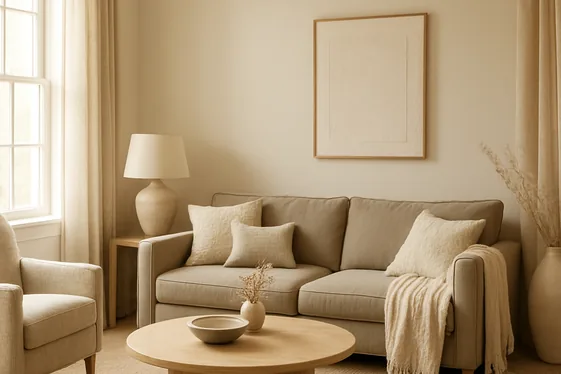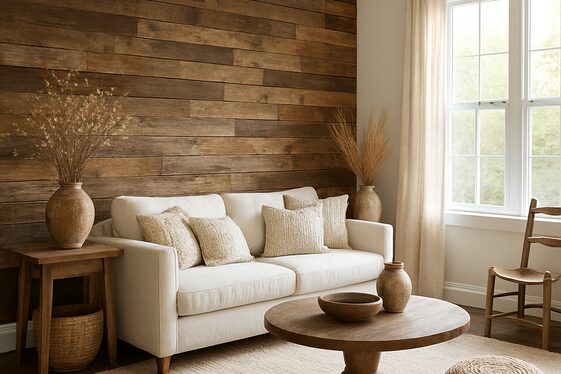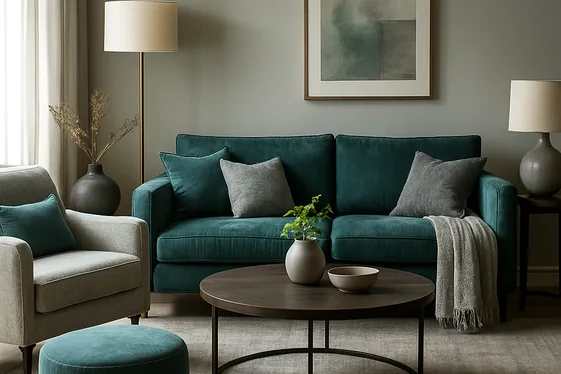
Living with a narrow living room can feel limiting, but it doesn’t have to cramp your style or comfort. Whether your home is vintage, townhouse-style, or even a modern condo, narrow spaces offer a unique challenge—and an opportunity to get creative. In this guide, we’ll explore 15 clever living room layout ideas that not only respect your space but actually make it feel larger and more inviting.
From selecting the right furniture and arranging seating to clever storage hacks and visual tricks, these strategies help you take full advantage of every square inch without overcrowding.
Modern living rooms don’t need to be wide to be beautiful or functional. If you want a stylish setup that supports hanging out with friends, relaxing after work, or even working from home, the key lies in smart design. We’ll walk through practical tips, easy upgrades, and inspiring arrangements that make a narrow living room the coolest room in the house.
Ready to reimagine your space with fresh, doable ideas? Let’s dive in and discover how to save space without sacrificing style in 2026.
1. Opt for Slim, Multi-Functional Furniture
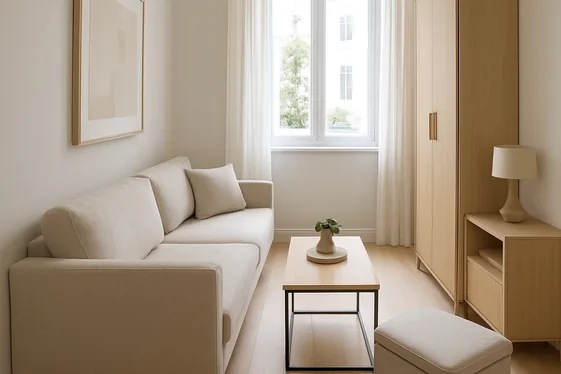
Slim, multi-functional furniture pieces are the secret weapon in any narrow living room. Items like sleek sofas with slim arms, narrow coffee tables with storage, or ottomans that double as seating create versatility without overwhelming the space. Instead of a hefty sectional, look for elegant designs that prioritize clean lines and lightweight frames to let your room breathe.
Choose sofas under 36 inches deep or slender loveseats that still seat two without taking up too much floor space. Many homeowners overlook how multi-use furniture saves space and adds practicality. For example, a storage ottoman can hide blankets or board games, while a bench that doubles as storage adds seating and tidiness.
In my experience, selecting pieces with hidden compartments means less clutter on display, making the room appear larger and more organized. When you stick to slim, dual-purpose furniture, you get the benefit of a full living room setup without the feeling of being boxed in, perfectly balancing function with style.
This keeps the idea practical, clear, and easy for readers to use right away. It also adds a little more helpful detail without making the writing sound stiff.
2. Create a Floating Sofa Layout
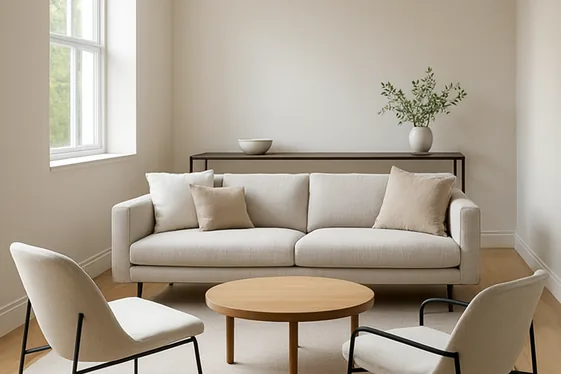
- Position the sofa away from walls to create a floating effect and open up walking paths.
- Add a slim console table behind the sofa to anchor the seating area without bulk.
- Use area rugs to visually separate the floating sofa from other zones.
- Place low-profile chairs or stools opposite the sofa to encourage easy conversation.
- Use lighting, like floor lamps, to highlight the boundaries of the floating furniture.
In my experience, floating a sofa in narrow rooms increases the feeling of depth dramatically. Even a small gap between the sofa and wall breaks the long, narrow feel and invites movement around the furniture. This layout allows for creative layering with rugs and tables to keep your space dynamic yet balanced.
Especially in tight layouts, the floating approach helps prevent a claustrophobic vibe and transforms a narrow living room into a cozy, welcoming spot. This keeps the idea practical, clear, and easy for readers to use right away. It also adds a little more helpful detail without making the writing sound stiff.
3. Maximize Vertical Storage Solutions
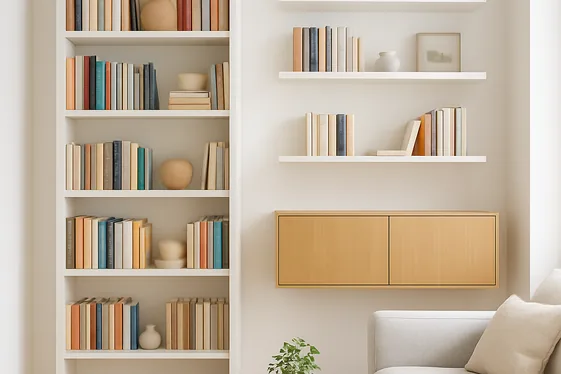
Quick Tip:
Use tall bookshelves, wall-mounted cabinets, or floating shelves that reach near the ceiling to take advantage of vertical space. This draws the eyes upward, making the room feel taller and less cramped. Avoid bulky floor furniture that eats into your narrow footprint.
Walls are an often underused resource in narrow living rooms, but vertical storage solutions turn them into style and storage powerhouses. Tall shelving units, especially those with a slim profile, organize books, decor, and essentials without crowding your steps. Floating shelves keep the floor clear while adding display room. Adding baskets on the top shelves can further reduce clutter.
These vertical tricks elongate the space and give you room for all your stuff without sacrificing comfort or style. This keeps the idea practical, clear, and easy for readers to use right away. It also adds a little more helpful detail without making the writing sound stiff.
4. Use Area Rugs to Define Zones
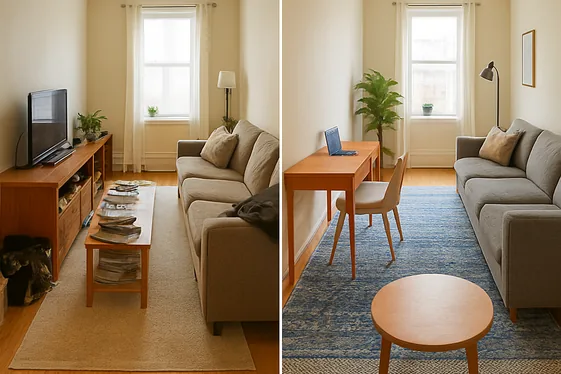
Before: A narrow living room can feel like one long tunnel, with furnishings all cramped together, making it hard to distinguish separate zones for sitting, reading, or working.
After: Placing area rugs distinctively breaks up the living room into cozy sections. A small rug under the main seating anchors the conversation area, while a runner or a different rug at the other end creates a functional reading nook or workspace.
This method helps organize the room visually without adding walls or bulky furniture. It’s especially effective in open-concept, narrow spaces where demarcating zones brings order. Rugs with patterns or colors that resonate can highlight each area without overcrowding. The result feels like multiple rooms in one, maximizing your narrow floor plan’s potential and making it easier to entertain, relax, or focus without feeling cramped.
This keeps the idea practical, clear, and easy for readers to use right away. It also adds a little more helpful detail without making the writing sound stiff.
5. Incorporate Built-In Shelving
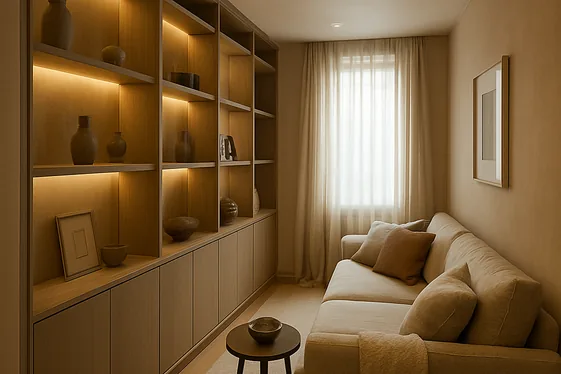
- Measure the narrow wall or space where built-in shelves will go, aiming for depth under 12 inches to save space.
- Choose materials and colors that blend with existing walls to avoid a heavy look.
- Incorporate lighting like LED strips inside shelves to add warmth and highlight your collections.
- Design a mix of open shelves for display and hidden cabinets for clutter control.
- Install low, bench-height shelves at the bottom that can double as seating or display for plants.
Built-in shelving customizes your narrow living room, making use of every inch without crowding aisles. In my experience, thoughtful built-ins create an anchor wall that adds depth and practical storage. They also help avoid adding extra furniture that eats up limited floor space. By combining display and storage features, these shelves maintain a clean aesthetic while keeping belongings accessible.
You get style, storage, and space-saving all in one solution. This keeps the idea practical, clear, and easy for readers to use right away. It also adds a little more helpful detail without making the writing sound stiff.
6. Choose a Mirrored Wall or Panels
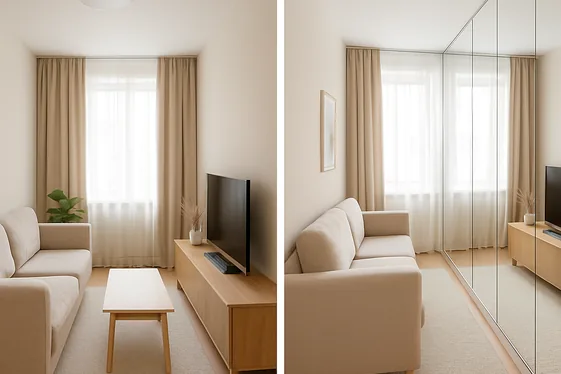
| Point | Without Mirrored Wall | With Mirrored Wall or Panels |
|---|---|---|
| Space Perception | Room feels confined and narrow | Room appears larger and deeper |
| Light Reflection | Limited natural and artificial | Mirrors reflect light, brightening |
| Design Impact | Plain, cramped look | Stylish focal point with depth |
| Installation Effort | None | Requires precise fitting and prep |
| Maintenance | Easy to clean surfaces | Needs frequent cleaning to stay clear |
I’ve noticed reflective surfaces like mirrors are a game changer for narrow living rooms. Installing a mirrored wall or panels opposite windows can literally double perceived space and boost daylight throughout the day. This creates an airy atmosphere even in otherwise cramped layouts. While installation needs care to avoid damage, the result is a visually striking and space-enhancing feature that blends seamlessly with modern decor.
This keeps the idea practical, clear, and easy for readers to use right away. It also adds a little more helpful detail without making the writing sound stiff.
7. Emphasize Natural Light and Window Space
Do:
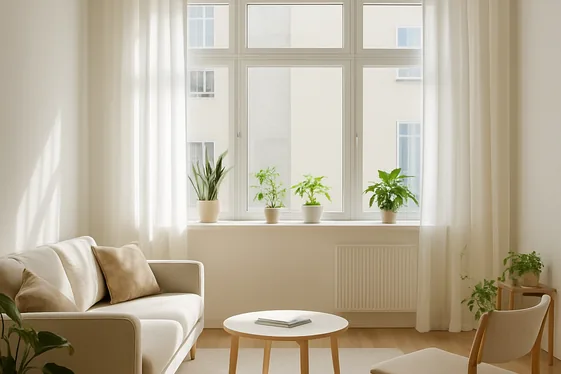
- Keep window treatments minimal, such as sheer curtains or blinds that open fully.
- Place seating near windows to maximize the view and daylight.
- Use light colors around windows to amplify brightness.
- Trim outdoor bushes or trees that block sunlight.
- Place mirrors strategically to reflect window light into darker corners.
Don’t:
- Use heavy, dark drapes that close off sunlight.
- Block windows with large, bulky furniture.
- Clutter the window ledge with items that absorb light.
- Hang low shelves or decorations that interfere with natural light paths.
- Forget to clean windows regularly—grime dulls sunlight.
Letting natural light flood your narrow living room makes it feel spacious and welcoming. Avoiding window blockages and choosing bright accents can dramatically change the room’s mood. Light creates space in ways furniture cannot. If you enhance your windows thoughtfully, even the narrowest rooms seem open and airy, lifting your living experience day and night.
This keeps the idea practical, clear, and easy for readers to use right away. It also adds a little more helpful detail without making the writing sound stiff.
8. Lean Towards Light and Neutral Colors
Cost: Minimal (paint or décor items)
Time: A few hours to a weekend
Skill Level: Beginner to Intermediate
Best For: Enhancing openness
Works In: All narrow living rooms
Result: Brighter, airier space
Difficulty: Easy
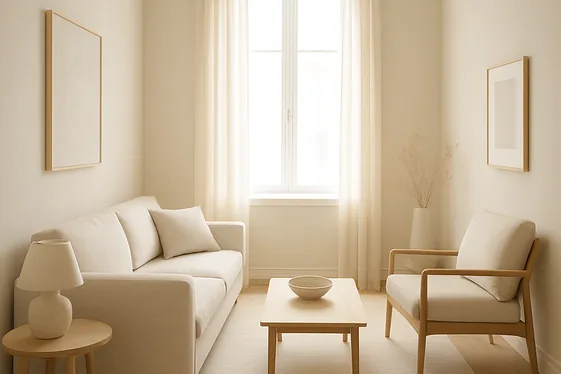
Light and neutral colors like soft whites, beiges, grays, and muted pastels trick the eye into perceiving greater space. Painting walls, choosing light upholstery, or accessorizing with pale décor tones lets your narrow living room look less cramped. I’ve seen this work well in many cases where homeowners pair pale colors with accent pieces for depth, avoiding a boring feel while still expanding spatial perception.
This color approach sets the perfect backdrop for any style while keeping the room feeling fresh and open. This keeps the idea practical, clear, and easy for readers to use right away. It also adds a little more helpful detail without making the writing sound stiff.
9. Place Furniture Lengthwise Along the Walls
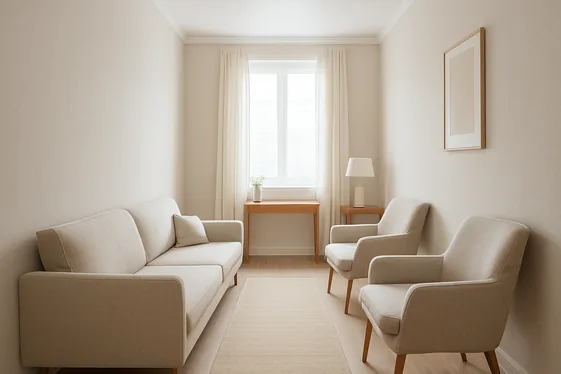
In narrow rooms, positioning furniture lengthwise against the walls frees up floor space and improves flow. Start with a slim sofa or loveseat aligned down one long side of the room. Add parallel chairs or benches opposite the sofa, leaving a generous walkway in between. This setup reduces crowding and creates an airy line of sight through the room.
I’ve noticed sitting close to the walls lets natural light and conversation breathe in the center. Avoid pushing everything flush against the walls by creating slight gaps; it softens the space and prevents a cramped “hallway” vibe. Alternating lengthwise placements with area rugs or low tables anchors the room and invites everyone to relax comfortably.
This straightforward approach is often the most practical way to maximize your narrow living room’s usability. This keeps the idea practical, clear, and easy for readers to use right away. It also adds a little more helpful detail without making the writing sound stiff.
10. Use Narrow Console Tables as Dividers
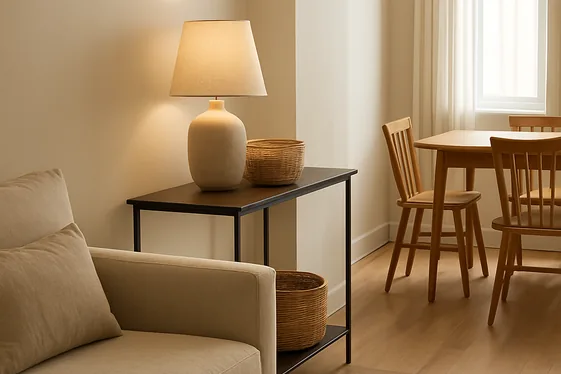
- Position a console table between a seating area and an entryway or dining space in an open floor plan.
- Choose slim tables, ideally 12 to 16 inches deep, to avoid crowding.
- Use the surface for decor, lamps, or storage baskets underneath.
- Opt for tables with open bases to maintain visual space.
- Combine with hooks or small shelves above for added vertical storage.
Console tables serve as practical dividers that softly separate zones in narrow layouts. In my experience, adding these tables behind sofas or near doorways frames the room without shutting it off. Their versatility enhances both decor and function — great for keys, mail, or displaying plants. Balancing visual separation with airiness, console tables create a polished transition between areas, making the room feel cohesive and spacious, not chopped up or boxed in.
This keeps the idea practical, clear, and easy for readers to use right away. It also adds a little more helpful detail without making the writing sound stiff.
11. Add Floating Shelves to Keep Items Off the Floor
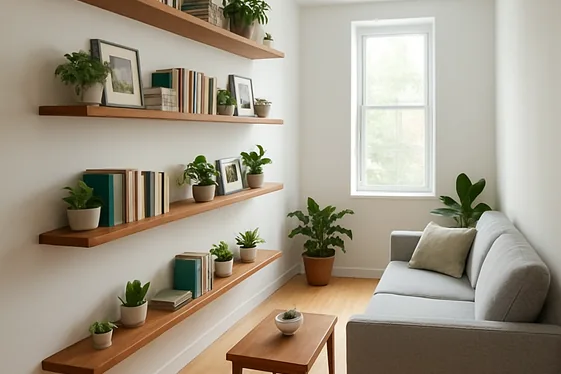
Quick Tip:
Mount floating shelves several feet above the floor, starting at eye level or higher. They provide storage without stealing precious walking space beneath. Use these for books, framed photos, or decorative objects to personalize your living room.
Keeping items off the floor is crucial in narrow rooms to maintain an uncluttered feel. Floating shelves achieve this perfectly, freeing up space usually taken by cabinets or bulky furniture. These shelves add layers and texture to your walls while showcasing your style. Because they don’t anchor on the floor, they make cleaning easier and keep your narrow living room open and airy.
Plus, they’re quick to install and adaptable to any decor style. This keeps the idea practical, clear, and easy for readers to use right away. It also adds a little more helpful detail without making the writing sound stiff.
12. Create a Gallery Wall to Add Interest

Before: Blank, narrow walls can make a living room feel dull, unfinished, or cramped as there’s nothing to break the monotony.
After: A well-curated gallery wall adds personality and breaks up the narrow wall space visually. Using various frame sizes but keeping a consistent theme or color palette adds depth and charm.
Balancing artwork or photo walls in narrow rooms draws the eye horizontally, complementing the length rather than emphasizing narrowness. I like how it turns an otherwise neglected wall into a story-telling focal point. Plus, galleries are highly customizable and can grow with your tastes.
This approach infuses life and warmth while playing with scale in functional, creative ways. This keeps the idea practical, clear, and easy for readers to use right away. It also adds a little more helpful detail without making the writing sound stiff.
13. Incorporate Fold-Out or Nesting Tables
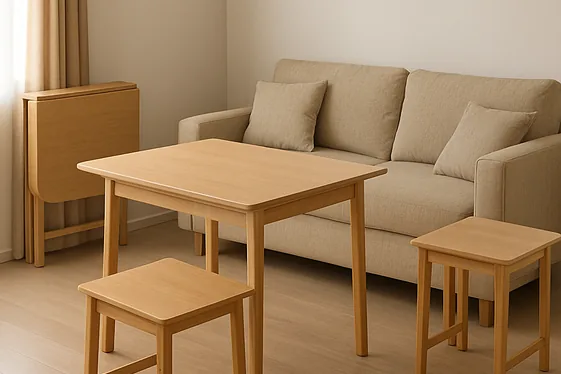
- Select fold-out or nesting tables sized to fit your narrow living room without blocking traffic.
- Position nesting tables where they can be stacked or folded flat against walls when unused.
- Use these tables during gatherings for extra surface space for drinks or snacks.
- Store small fold-out tables near seating or under console tables for easy reach.
- Regularly clear and maintain the tables to avoid clutter build-up.
In my experience, fold-out and nesting tables are lifesavers in tight spaces, offering flexible options for extra surface area without permanence or bulk. Their versatility supports a variety of activities, from working remotely to hosting friends, and tucks away neatly to preserve walkways. To get the best of these, invest in sturdy designs with attractive finishes, so they contribute to decor as they perform.
This keeps the idea practical, clear, and easy for readers to use right away. It also adds a little more helpful detail without making the writing sound stiff.
14. Swap Bulky Chairs for Sleek Armchairs
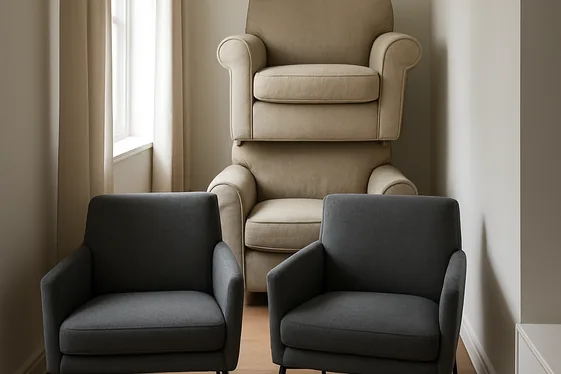
| Point | Bulky Chairs | Sleek Armchairs |
|---|---|---|
| Footprint | Large, often deep and chunky | Slim, with exposed legs and compact forms |
| Visual Weight | Dominates the space | Visually light, open design |
| Comfort Level | Plush but overpowering | Comfortable with better flow |
| Mobility | Difficult to move | Easy to rearrange |
| Style Flexibility | Limited, often traditional | Modern, adaptable to many looks |
That’s why many experts recommend swapping out heavy chairs for slender armchairs in narrow living rooms. The lighter profile frees up visual and physical space, making the room feel more spacious. You still get comfort with less bulk, keeping seating arranged for good conversation flow without feeling constricted.
The versatility of sleek armchairs means they can easily complement any style from minimalist to eclectic. This keeps the idea practical, clear, and easy for readers to use right away. It also adds a little more helpful detail without making the writing sound stiff.
15. Keep Floor Space Clear with Hidden Storage
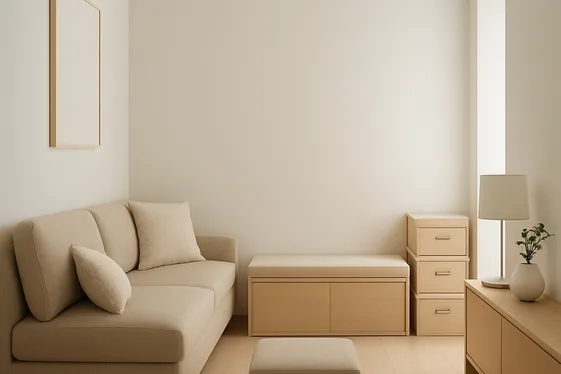
Do:
- Invest in coffee tables or ottomans with internal storage compartments.
- Use benches or window seats with lift-up tops to store blankets or games.
- Choose furniture with hollow legs to tuck baskets or bins underneath.
- Store small items in decorative boxes kept out of sight.
- Maintain regular decluttering to maximize hidden storage benefits.
Don’t:
- Fill floor space with excess storage furniture that crowds walking areas.
- Just stack clutter out of view; keep hidden storage organized to avoid mess.
- Forget to measure before buying storage pieces; oversized items hurt flow.
- Ignore the power of vertical storage as a complement to hidden floor options.
- Leave doors or compartments open, interrupting room balance visually.
Hidden storage solutions keep your narrow living room neat without stealing space. Using multi-purpose furniture that stores essentials out of sight minimizes visual clutter and helps maintain clear floor pathways. This allows you to enjoy a tidy, functional living area that feels spacious and calm rather than cramped or chaotic.
This keeps the idea practical, clear, and easy for readers to use right away. It also adds a little more helpful detail without making the writing sound stiff.
Conclusion
Narrow living rooms offer a unique canvas for thoughtful design that maximizes every inch of space without sacrificing style or comfort. From selecting slim, multi-functional furniture and maximizing vertical storage, to leveraging natural light and clever use of wall space, these 15 ideas come together to transform cramped layouts into inviting, functional rooms.
Practical strategies like floating sofas, area rugs for zoning, and clever hidden storage keep your living room organized and easy to navigate. Light colors and mirrors visually expand the space, while sleek seating options and compact tables improve flow and utility. Each tip encourages a fresh perspective on how to live, relax, and entertain comfortably in narrow spaces.
The best approach depends on your lifestyle and personal taste, but with these ideas, you’re well-equipped to create a living room that feels open, stylish, and all your own. It’s time to embrace your room’s shape and make it work brilliantly for you.

Sarah Parker is a creative content writer with experience in crafting engaging, reader-friendly, and SEO-optimized content. She specializes in writing blog posts, website copy, social media captions, and digital marketing content across niches including lifestyle, home decor, business, and technology. Her writing style focuses on clarity, audience engagement, and search engine visibility.