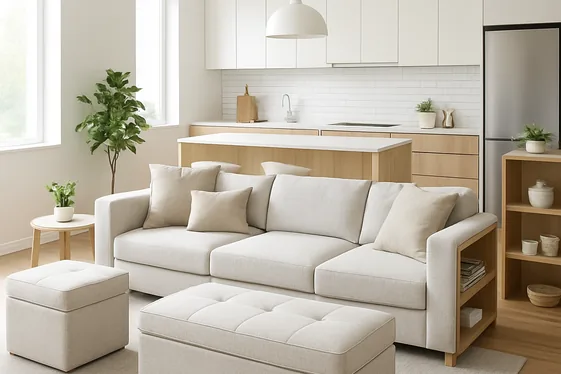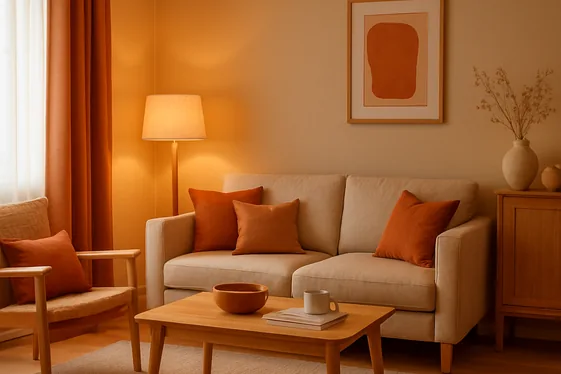
Incorporating subtle textures into your living room design is a brilliant way to add warmth, depth, and personality without overwhelming the space. When done right, textures bring a tactile quality that invites you to get cozy and feel completely at home. Whether you’re working with soft fabrics, natural materials, or delicate patterns, these understated touches elevate your living room from ordinary to stunning.
For homeowners in the USA looking to refresh their space in 2026, subtle texture magic offers endless possibilities that cater to various styles, from modern minimalist to cozy farmhouse.
This guide highlights 15 aesthetic living room ideas that emphasize texture in smart, elegant ways. You’ll discover practical tips and creative inspirations to make your space uniquely yours while balancing comfort and sophistication. If you’ve ever wondered how to add visual interest without clutter, this article breaks it down for you.
Ready to explore the magic? Let’s dive in and transform your living room into a texture-rich haven that feels inviting and looks effortlessly chic.
1. Layered Neutral Rugs for Understated Comfort
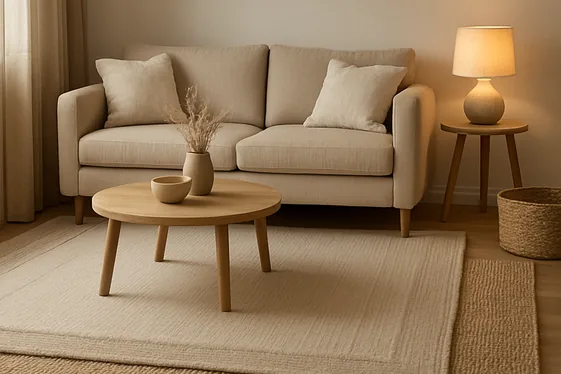
Layering neutral rugs is a superb strategy to add subtle texture that quietly elevates any living room. Start with a large, flat-weave rug as the base, preferably in a natural fiber like jute or sisal. Layer a softer, slightly smaller rug on top—something fluffy, like a sheep’s wool or shag, works perfectly.
The contrast in textures creates visual depth without jarring the senses or competing with other elements. Stick to neutral color palettes to maintain calm sophistication. Often, people hesitate to layer rugs fearing it will look cluttered, but the key lies in balancing the scale and color.
Chalk these layers up as texture magic that invites barefoot comfort and cozy vibes. A living room with layered rugs instantly feels more grounded and tactile, promoting relaxation and warmth. Plus, this tactic offers a practical benefit by protecting flooring while maintaining style.
This keeps the idea practical, clear, and easy for readers to use right away. It also adds a little more helpful detail without making the writing sound stiff. A simple, thoughtful explanation like this helps the whole article feel complete.
2. Mixing Matte and Glossy Surfaces: Texture Contrast Tips
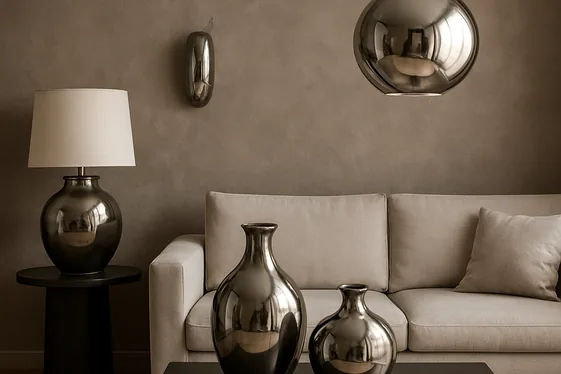
- Combine matte paint walls with glossy ceramic vases or frames for eye-catching contrast. Matte absorbs light, creating a calm setting, while gloss reflects it, drawing attention to accents.
- Use furniture with mixed finishes like matte wood tables paired with glossy metal lamps. This blend keeps the room dynamic without being too loud.
- Incorporate glass coffee tables and matte-textured fabric chairs. The transparency of glass contrasts beautifully with textured upholstery.
- Add glossy tiled backsplashes or fireplace surrounds next to matte-painted built-ins for sleek transitions.
- Experiment with matte leather sofas and shiny steel legs for modern yet soft appeal.
In my experience, mixing matte and glossy textures brings balance and interest to your living room without feeling overwhelming. These combinations break up monotony and allow subtle texture shifts that look thoughtfully styled, perfect for those seeking a modern touch in 2026.
This keeps the idea practical, clear, and easy for readers to use right away. It also adds a little more helpful detail without making the writing sound stiff. A simple, thoughtful explanation like this helps the whole article feel complete.
3. Incorporate Textured Wallpaper that Doesn’t Overwhelm
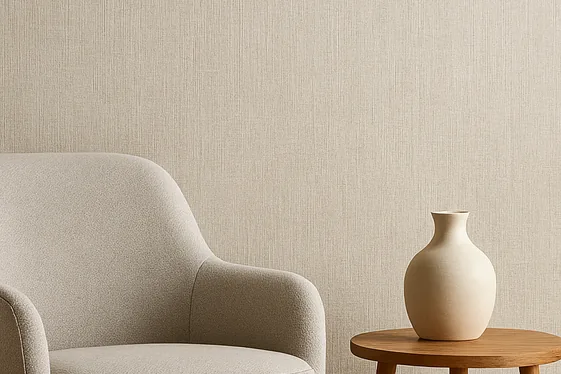
Quick Tip:
Look for subtle embossed or grasscloth wallpapers in soft, natural hues to add texture without overpowering your room. Select patterns that mimic nature, like linen weaves or fine lines, for a calming effect.
Wallpaper can be a game-changer when it adds dimension without shouting for attention. Choosing wallpaper with delicate texture in muted colors creates a backdrop that highlights your furniture and accessories rather than competing with them. I recommend applying it to a single accent wall or framing it around a fireplace for best results. This approach enriches your living room’s sensory feel, encouraging visitors to notice the little details.
This keeps the idea practical, clear, and easy for readers to use right away. It also adds a little more helpful detail without making the writing sound stiff. A simple, thoughtful explanation like this helps the whole article feel complete.
4. Before and After: Upgrading Plain Walls with Brick Cladding
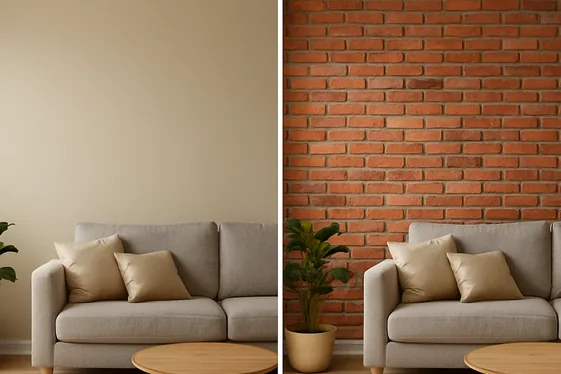
Before: Plain painted walls often feel flat and uninspired, lacking tactile appeal or structural character. Spaces can come across as sterile or generic, missing that cozy, lived-in vibe many homeowners crave.
After: Adding brick cladding breathes life into your living room walls, introducing rugged texture and an industrial edge that enhances warmth. The three-dimensional pattern makes the space visually interesting while complementing a range of décor styles like rustic modern or urban chic.
Brick cladding is a fantastic way to embrace texture without going overboard. It works especially well behind sofas or media centers, acting as a natural focal point. Choosing thin brick veneers keeps installation doable for DIYers or professionals and creates that subtle texture magic that stands the test of time.
This keeps the idea practical, clear, and easy for readers to use right away. It also adds a little more helpful detail without making the writing sound stiff. A simple, thoughtful explanation like this helps the whole article feel complete.
5. Step-by-Step Guide to Adding a Woven Wall Hanging
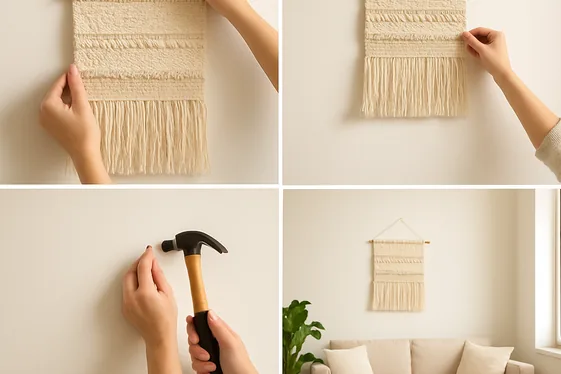
- Choose a woven wall hanging that fits your room size and theme—neutral colors and natural fibers like cotton or wool are ideal.
- Find a spot on a prominent wall, ideally with minimal distractions to let the texture pop.
- Use sturdy hooks or nails appropriate for your wall type to hang the piece securely.
- Adjust the hanging height so that the bottom edge aligns roughly with furniture tops like a sofa or console.
- Pair the hanging with complementary textures in pillows or rugs nearby to tie the room together visually.
Adding woven textiles to your living room instantly introduces artisanal charm and cozy texture. This method requires minimal commitment and transforms plain walls into a statement of curated comfort. Best for anyone wanting an easy yet impactful tactile boost. This keeps the idea practical, clear, and easy for readers to use right away.
It also adds a little more helpful detail without making the writing sound stiff. A simple, thoughtful explanation like this helps the whole article feel complete.
6. Comparing Natural Wood Accents vs. Painted Wood for Texture
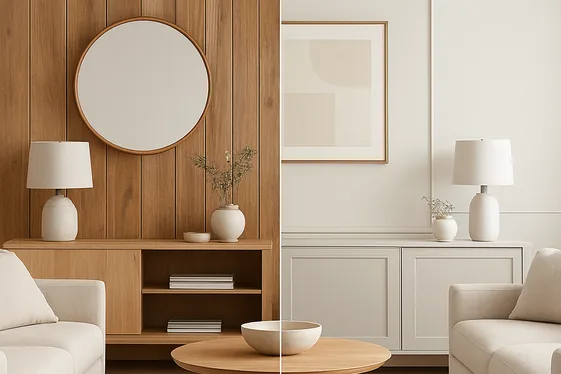
| Feature | Natural Wood Accents | Painted Wood |
|---|---|---|
| Texture Feel | Organic, rough, warm | Smooth, uniform, modern |
| Visual Variation | Visible grain patterns, knots | Solid color finish, sleek look |
| Maintenance | Requires sealing, occasional refinishing | Easier cleaning, repainting possible |
| Style Compatibility | Rustic, farmhouse, Boho | Contemporary, minimalist, coastal |
| Durability | Can age beautifully if cared for | More vulnerable to scratches |
I’ve noticed natural wood accents add authentic texture that feels inviting and full of character, while painted wood provides a cleaner canvas that still offers subtle tactile interest. Choose natural wood if you want warmth and complex patterns; painted wood works best for streamlined, textured surfaces without fuss.
This keeps the idea practical, clear, and easy for readers to use right away. It also adds a little more helpful detail without making the writing sound stiff. A simple, thoughtful explanation like this helps the whole article feel complete.
7. Do’s and Don’ts of Throw Pillows with Texture Variety
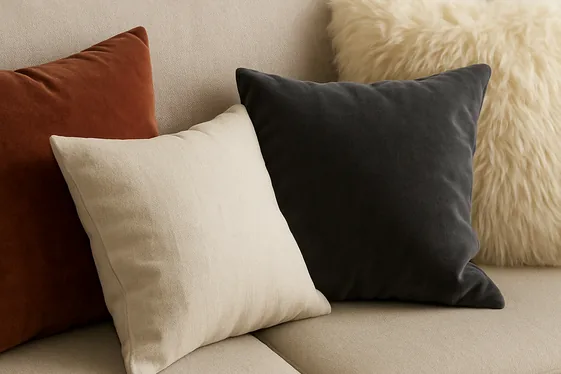
Do:
- Mix fabrics like velvet, linen, and faux fur to add layers of touchable interest.
- Use tonal colors within your palette to keep the look cohesive yet rich.
- Vary pillow sizes to create dimension and prevent monotony.
- Include subtle patterns like small geometric weaves for understated texture.
- Rotate pillows seasonally for freshness and easy texture tweaks.
Don’t:
- Overload pillows with clashing colors or wildly different materials—it confuses the eye.
- Use too many pillows; overcrowding creates a cluttered, uncomfortable feel.
- Pick textures that irritate the skin or snag easily, like rough burlap.
- Ignore pillow filling—fluffy inserts support the texture better than flat ones.
- Forget to match pillow style to the existing furniture’s vibe.
Managing throw pillow textures smartly transforms your seating into a luxurious, inviting nest without visually overwhelming the space. This keeps the idea practical, clear, and easy for readers to use right away. It also adds a little more helpful detail without making the writing sound stiff. A simple, thoughtful explanation like this helps the whole article feel complete.
8. Quick Facts About Leather Accents in Aesthetic Living Rooms
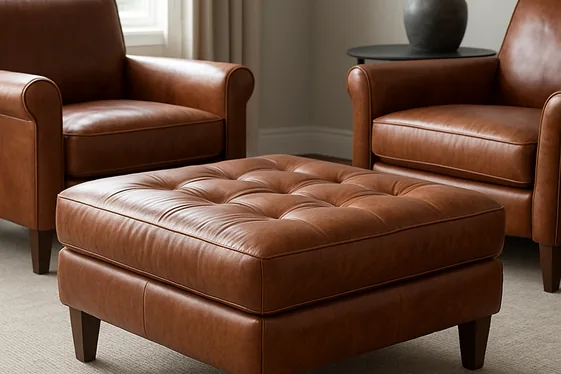
Cost: Medium to high
Time: Minimal installation time
Skill Level: Beginner-friendly
Best For: Adding durable texture and modern sophistication
Leather accents like ottomans, chairs, or cushions bring subtle texture and class to living rooms. The surface offers a natural grain that shifts with light, creating understated visual dynamics. Leather is highly durable, easy to clean, and typically pairs well with both rustic and contemporary décor schemes.
Consider the finish when choosing leather: matte options feel softer and more understated, while glossy ones make more of a statement. Leather’s timeless appeal means it looks fresh and inviting even years down the road, making it a wise investment for texture enthusiasts.
This keeps the idea practical, clear, and easy for readers to use right away. It also adds a little more helpful detail without making the writing sound stiff. A simple, thoughtful explanation like this helps the whole article feel complete.
9. Strategic Use of Linen Curtains for Gentle Texture
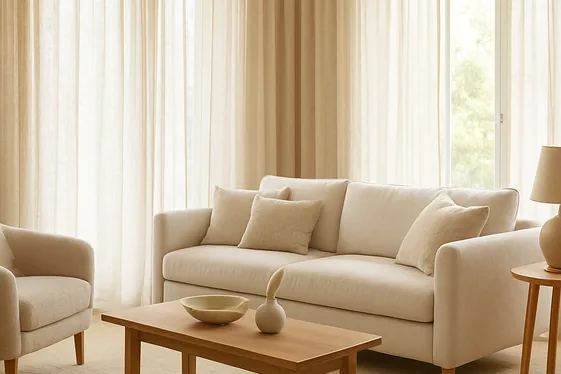
Linen curtains introduce a soft, natural texture that filters light beautifully in living rooms. Their slightly slubby weave creates an organic feel, adding calm depth without feeling heavy or busy. For rooms with lots of windows, linen curtains soften the incoming sunlight, casting a warm glow that enhances any textured décor nearby.
I’ve seen this work well in many cases where a living room’s vibe shifts toward a relaxed, airy ambiance simply by switching out synthetic drapes for linen. Opt for earthy or neutral tones to maintain that subtle tactile appeal. Linen’s breathable nature also helps with air circulation and comfort, making it both a beautiful and practical choice.
This keeps the idea practical, clear, and easy for readers to use right away. It also adds a little more helpful detail without making the writing sound stiff. A simple, thoughtful explanation like this helps the whole article feel complete.
10. Bulletproof Tips for Styling Tassel and Fringed Accessories
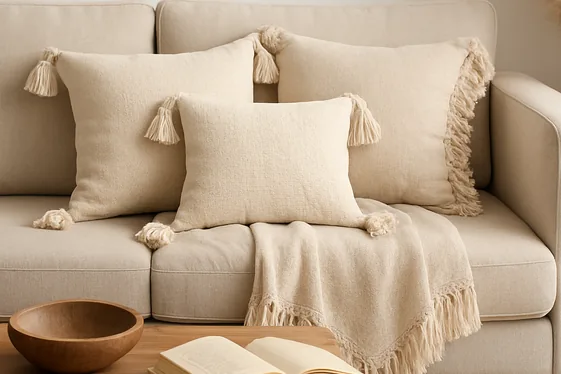
- Pair tassel throw pillows with woven blankets to create texture layers without overwhelming color schemes.
- Use fringe on furniture edges sparingly to maintain sophistication.
- Introduce tassel tiebacks on curtains for a delicate textural detail that doesn’t detract from linen or sheer fabric.
- Choose natural fiber tassels like cotton for a rustic look or silk tassels for a luxe vibe.
- Incorporate tassel accessories in small doses such as on baskets or wall hangings for subtle pops of texture.
Styling tassels and fringe is about balance. With the right restraint and pairing, these elements add movement and softness to your living room, encouraging tactile exploration without crossing into boho clutter. This keeps the idea practical, clear, and easy for readers to use right away.
It also adds a little more helpful detail without making the writing sound stiff. A simple, thoughtful explanation like this helps the whole article feel complete.
11. Quick Tip on Choosing Textured Ceramic Planters
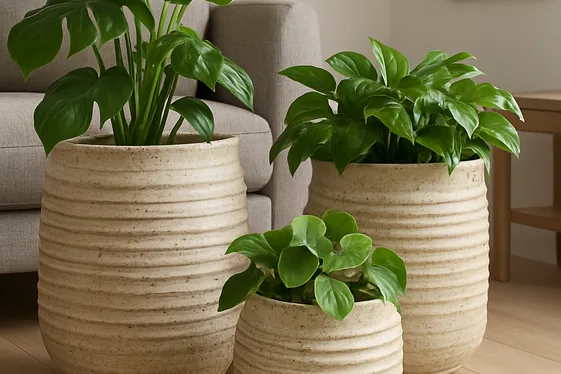
Quick Tip:
Select ceramic planters with surface textures like ridges, speckles, or hand-thrown imperfections to subtly enhance your living room’s tactile appeal. Choose neutral colors so the texture stands out without competing with your plants or décor.
Ceramic planters make lovely additions to any living room vibe by offering natural, earthy texture. They create a pleasing contrast against glossy leaves and smooth furniture. When buying, check that the texture feels intentional and not rough or unfinished, which could detract from the style. Textured ceramics help bring outdoor elements inside, tying cozy and modern aesthetics together seamlessly.
This keeps the idea practical, clear, and easy for readers to use right away. It also adds a little more helpful detail without making the writing sound stiff. A simple, thoughtful explanation like this helps the whole article feel complete.
12. Before and After: Transforming a Boring Coffee Table
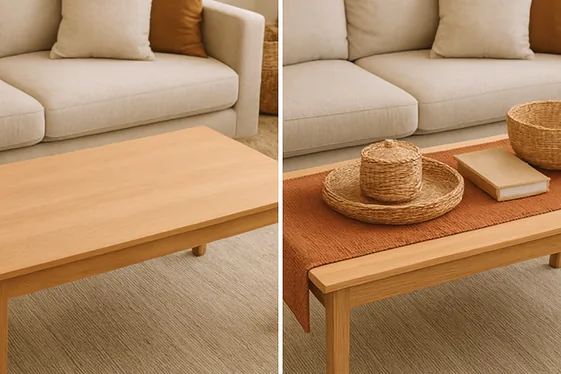
Before: A plain coffee table with a smooth, unadorned surface often looks bland and misses an opportunity to contribute texture or character to the room. It can make the entire seating area feel flat and uninspired.
After: Enhancing the coffee table with a textured runner, stacked leather-bound books, and a woven basket creates a layered feel. Adding tactile objects like a stone tray or ceramic bowls with textured surfaces breaks the monotony and invites touch.
The coffee table is a prime spot for subtle texture magic that doesn’t require major investment. Adding purposeful texture here influences the whole room’s aesthetic, anchoring the seating area with a blend of practical and sensory appeal. This keeps the idea practical, clear, and easy for readers to use right away.
It also adds a little more helpful detail without making the writing sound stiff. A simple, thoughtful explanation like this helps the whole article feel complete.
13. Numbered Steps for Textured Velvet Furniture Maintenance
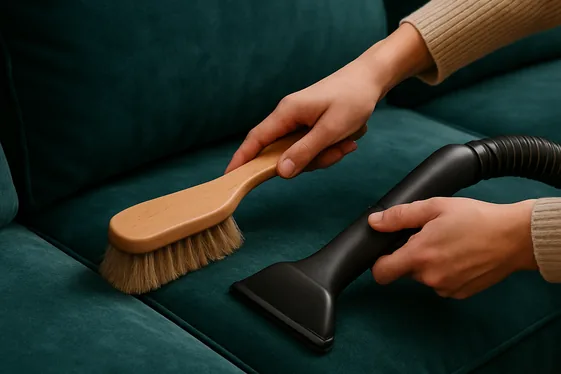
- Vacuum your velvet furniture weekly using a soft brush attachment to remove dust and preserve the pile.
- Rotate cushions regularly to avoid uneven wear and flattening of the velvet texture.
- Address spills swiftly by blotting with a clean, dry cloth—avoid rubbing to maintain fabric integrity.
- For spot cleaning, use upholstery cleaner designed specifically for velvet and test it on an inconspicuous area first.
- Brush the velvet gently with a soft bristle brush after cleaning to lift the nap and revive the texture.
In my experience, consistent and careful maintenance is key to keeping velvet furniture looking lush and vibrant, especially in a family living room where everyday use is high. Proper care not only preserves the unique texture but also extends the furniture’s life.
This keeps the idea practical, clear, and easy for readers to use right away. It also adds a little more helpful detail without making the writing sound stiff. A simple, thoughtful explanation like this helps the whole article feel complete.
14. Comparison Table: Metallic vs. Soft Textile Accents
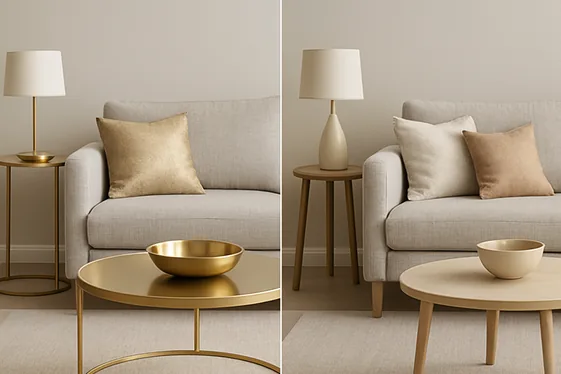
| Aspect | Metallic Accents | Soft Textile Accents |
|---|---|---|
| Texture Feel | Hard, cool, reflective | Warm, plush, absorbent |
| Visual Impact | Pops with shine and modern edge | Adds layered comfort and softness |
| Maintenance | Easy to clean, avoids stains | Requires regular washing and fluffing |
| Style Flexibility | Works well in modern, industrial | Ideal for bohemian, hygge, traditional |
| Cost | Medium to high depending on metal | Variable, often affordable |
That’s why many experts recommend combining both metallic and soft textiles in living rooms to create balanced texture that appeals to multiple senses. Metallics can add crispness, while textiles soften the space, inviting relaxation. This keeps the idea practical, clear, and easy for readers to use right away.
It also adds a little more helpful detail without making the writing sound stiff. A simple, thoughtful explanation like this helps the whole article feel complete.
15. Do and Don’t Guide for Layering Textured Blankets
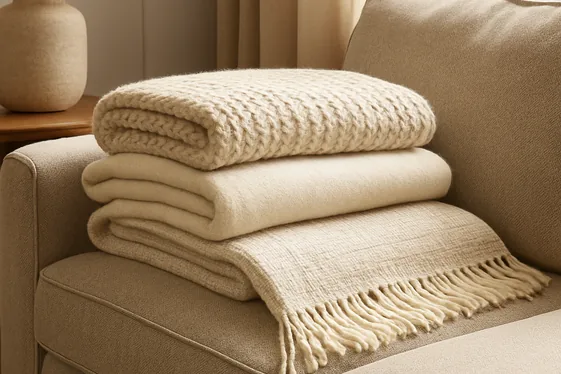
Do:
- Layer blankets with varying textures like chunky knit, fleece, and woven cotton.
- Fold blankets neatly over the armrest or back of the sofa for easy access and decor impact.
- Use colors that complement your existing palette to maintain cohesiveness.
- Rotate blankets seasonally to keep textures fresh and appropriate for the climate.
- Add a cozy element by mixing warm and cool fabric textures thoughtfully.
Don’t:
- Pile too many blankets in one spot, which creates clutter and detracts from texture appreciation.
- Ignore the quality and softness of blankets; scratchy materials ruin the cozy effect.
- Mix wildly different styles that clash rather than harmonize.
- Forget to clean or fluff blankets regularly, as flat and dirty textures lose aesthetic appeal.
- Use only thick blankets; thinner textures balance the look and feel better layered.
Smart layering turns your blankets into a subtle textural feature that enriches warmth and style in your living room. This keeps the idea practical, clear, and easy for readers to use right away. It also adds a little more helpful detail without making the writing sound stiff. A simple, thoughtful explanation like this helps the whole article feel complete.
Conclusion
Exploring subtle textures in your living room opens a world of cozy sophistication without overwhelming your space. From layered rugs and natural woods to velvet furniture and woven wall hangings, each idea brings a unique tactile charm that invites comfort and style.
Remember, texture is about balance—pair soft textiles with harder finishes like metals or ceramics, and rotate elements seasonally to keep your space fresh. Whether you prefer modern minimalist vibes or cozy rustic touches, these texture tricks are adaptable and approachable. Take your time selecting the options that resonate most, and use this guide as your roadmap for subtle texture magic in 2026.
With a bit of creativity and thoughtful layering, your living room will feel inviting, visually rich, and ready for any gathering.

Sarah Parker is a creative content writer with experience in crafting engaging, reader-friendly, and SEO-optimized content. She specializes in writing blog posts, website copy, social media captions, and digital marketing content across niches including lifestyle, home decor, business, and technology. Her writing style focuses on clarity, audience engagement, and search engine visibility.