15 Cabin Kitchen Ideas Designers Use Guide
Transforming your cabin kitchen into a cozy, functional space can elevate your entire home experience. This guide highlights 15 cabin kitchen ideas designers use to blend rustic charm with modern convenience, perfect for homeowners in the USA seeking inspiration for 2026 and beyond. Discover timeless tips and creative concepts to enhance your cabin kitchen’s style and usability.
1. Incorporating Natural Wood Elements for Warmth
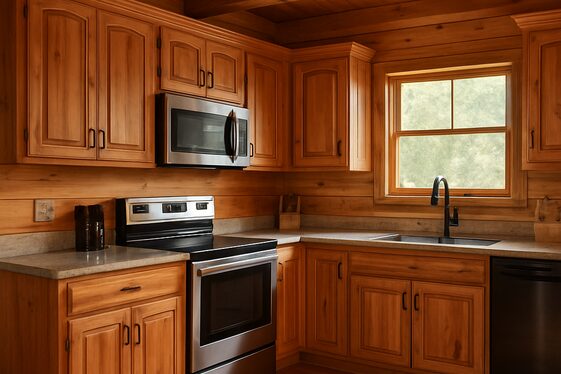
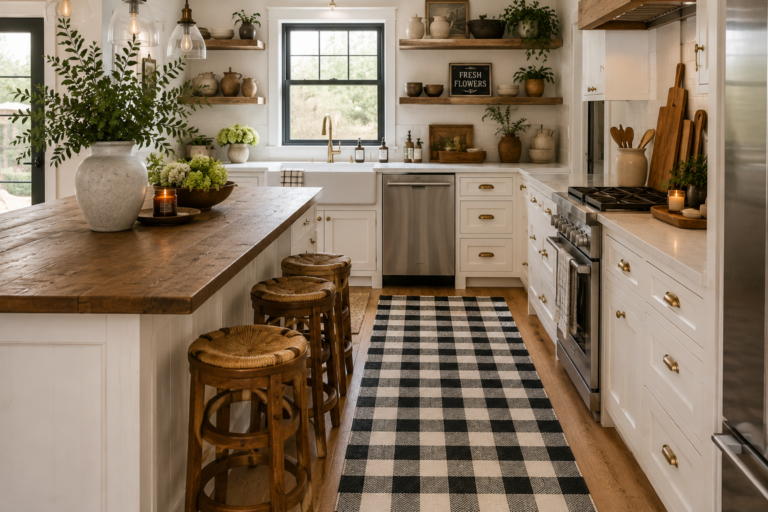
Using natural wood throughout a cabin kitchen brings an authentic warmth and rustic appeal that homeowners love. Designers often emphasize polished or raw wood cabinetry, beams, and accents that showcase wood grain and texture. Selecting high-quality wood like cedar, pine, or oak helps maintain durability while complementing the cozy cabin aesthetic, balancing nature with a welcoming atmosphere.
2. Optimizing Small Spaces with Smart Storage
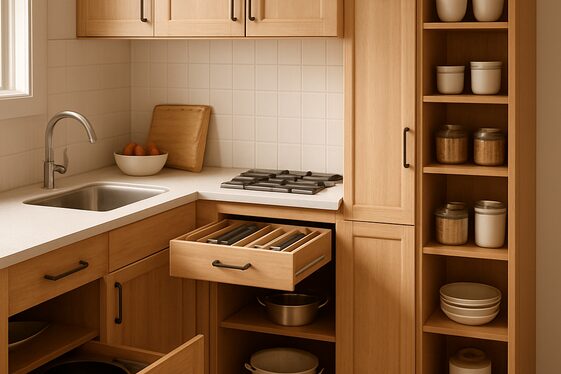
Cabin kitchens tend to be compact, so optimizing small spaces with smart storage solutions is essential. Designers incorporate pull-out drawers, vertical shelving, and hidden compartments to enhance functionality without sacrificing style. Custom cabinetry that fits snugly into corners and under countertops maximizes every inch, making the kitchen both efficient and inviting.
3. Choosing Durable, Rustic Countertops
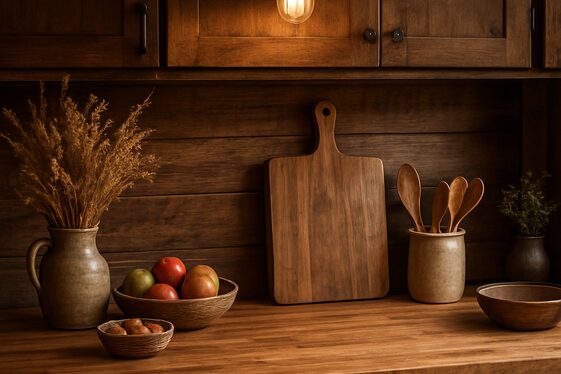
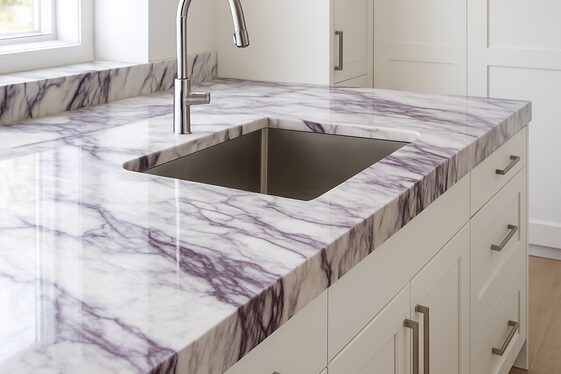
Rustic countertops made from durable materials like butcher block, soapstone, or concrete evoke a natural feel while standing up to daily use. Designers select surfaces that resist scratches and stains but maintain an organic appearance. These choices add character and longevity to the kitchen, perfectly complementing wood elements and other rustic finishes common in cabin kitchens.
4. Integrating Open Shelving for Accessibility
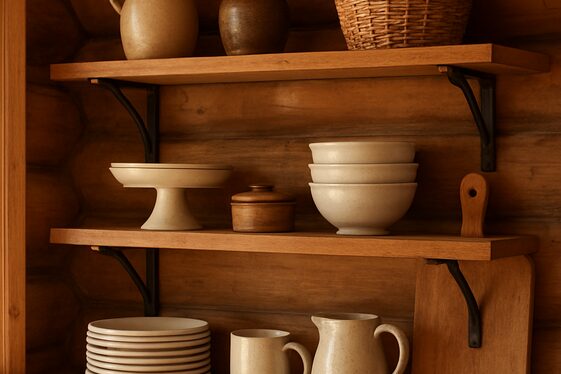
Open shelving is a practical feature to keep frequently used items visible and within reach. Designers use sturdy wood shelves paired with metal brackets for an industrial yet cozy look. This approach encourages easy access and adds an element of openness, allowing homeowners to display charming ceramics or cabin-inspired décor that elevates the kitchen’s rustic vibe.
5. Using Vintage Fixtures to Enhance Character
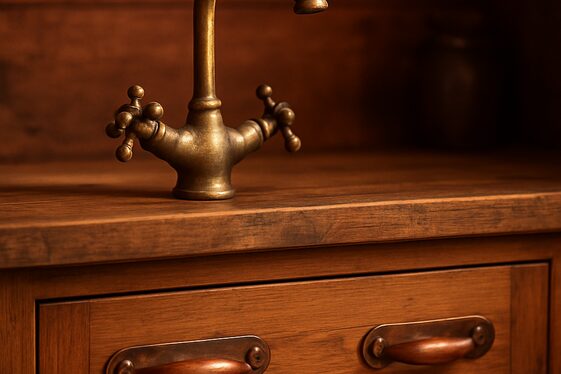
Incorporating vintage fixtures such as antique faucets, cabinet handles, and lighting invokes nostalgia while adding distinctive charm. Designers often source materials from reclaimed or specialty retailers to enhance authenticity. These pieces serve as focal accents that blend traditional cabin aesthetics with functional design, enriching the kitchen’s overall character and story.
6. Mixing Modern Appliances with Traditional Design
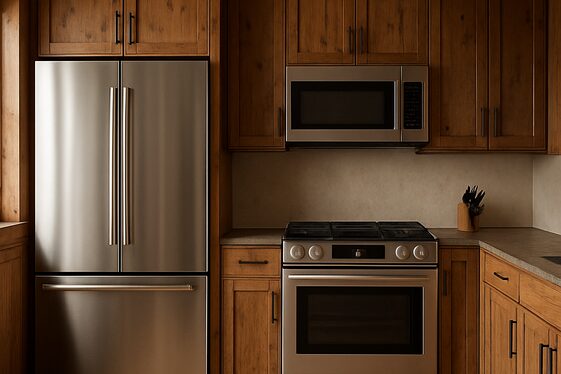
Many cabin kitchens benefit from the seamless integration of modern appliances with traditional design elements. Designers select sleek, energy-efficient appliances with subtle finishes such as matte black or stainless steel to harmonize with rustic cabinetry and details. This blend preserves the cabin’s warmth while improving convenience and sustainability with 2026’s latest technology.
7. Adding a Stone or Brick Backsplash
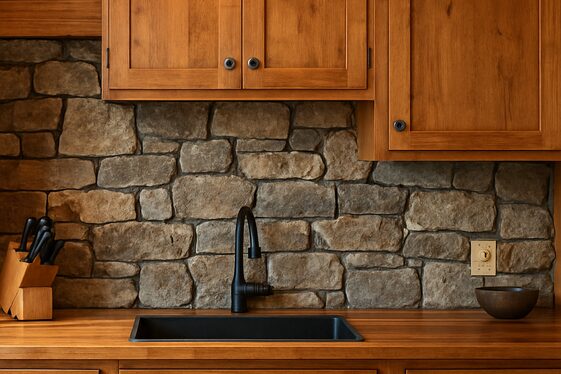
A stone or brick backsplash adds texture and a natural hardscape feel essential to cabin kitchens. Designers often use materials like rough-cut stone, red brick, or slate to provide visual contrast and an earthy, crafted look. This feature protects walls from wear and tear while offering a genuine tactile experience that reflects the surrounding outdoors.
8. Implementing Farmhouse Sinks for Style and Practicality
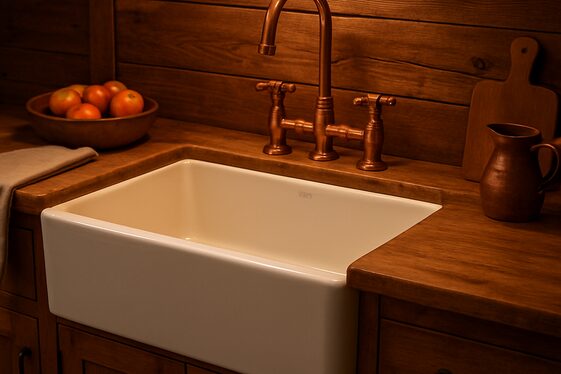
Farmhouse sinks remain popular for cabin kitchens due to their robust design and practical benefits. Designers choose apron-front sinks made from fireclay, stainless steel, or copper that complement rustic cabinetry. These sinks deliver ample space for washing large cookware and afford an authentic country-style appearance fitting the relaxed cabin lifestyle.
9. Selecting Earthy Color Palettes to Create Calm
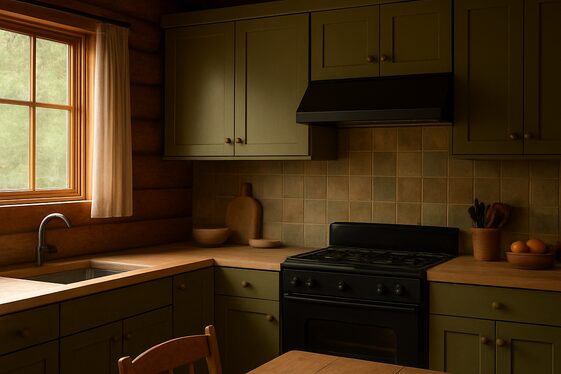
Earthy color palettes grounded in warm browns, deep greens, and soft neutrals create a calming environment in cabin kitchens. Designers recommend colors inspired by nature to bring harmony between indoor spaces and the outdoor scenery. These shades help the kitchen feel like a natural extension of the surrounding landscape, making daily cooking a peaceful activity.
10. Installing Pendant Lighting to Highlight Features
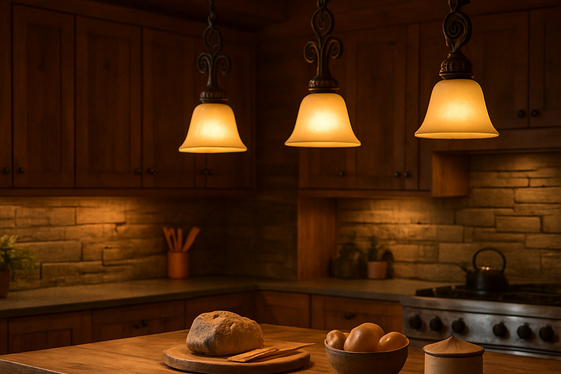
Pendant lighting is an effective way to highlight key kitchen features while adding rustic elegance. Designers use fixtures with wrought iron, hammered metal, or reclaimed wood details suspended above islands or workspaces. These lights provide focused illumination and a warm glow, enhancing the kitchen’s ambiance and making task areas inviting and visually interesting.
11. Incorporating Reclaimed Materials for Sustainability
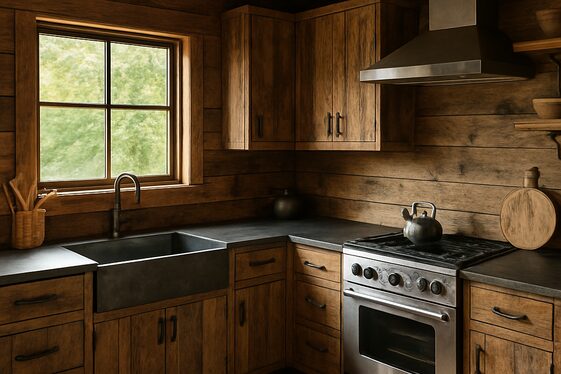
Reclaimed materials are a top choice for sustainable cabin kitchen design. Designers incorporate reclaimed wood, metal, and stone to reduce environmental impact while adding unique textures and stories to the space. These materials offer durability and distinctive character, allowing homeowners to celebrate craftsmanship and eco-consciousness as part of their kitchen’s narrative.
12. Designing Multipurpose Kitchen Islands
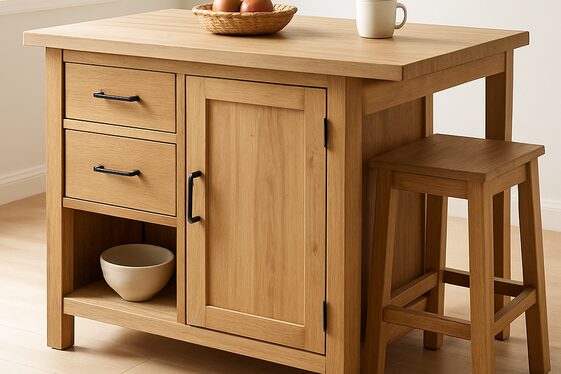
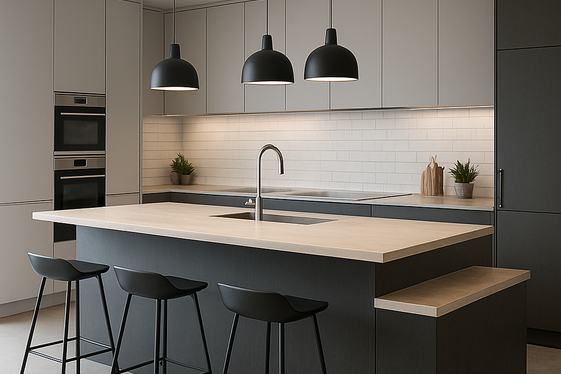
Multipurpose kitchen islands have become a staple in cabin design by offering additional workspace, storage, and social areas. Designers tailor these islands to fit compact kitchens without overwhelming the room. Targeted storage solutions beneath the countertop and seating on one side provide functionality and encourage family and guests to gather comfortably around the heart of the home.
13. Maximizing Natural Light with Large Windows
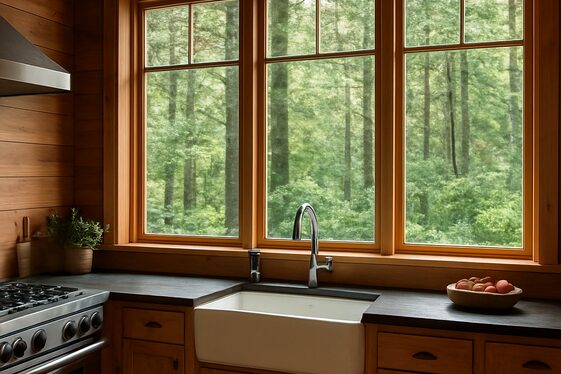
Natural light significantly enhances cabin kitchens by opening the space and connecting it with nature. Designers prioritize installing large windows or even skylights to maximize daylight exposure. These features help reduce reliance on artificial lighting, create vibrant atmospheres throughout the day, and allow panoramic views that celebrate the cabin’s rustic setting.
14. Creating Cozy Dining Nooks within the Kitchen
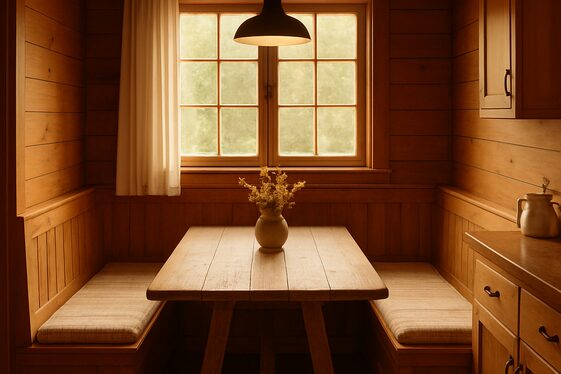
Cozy dining nooks integrated within the kitchen combine comfort and practicality. Designers create built-in benches or window seats paired with rustic tables to cultivate intimate dining experiences. These nooks provide a warm, inviting environment perfect for mornings or evenings, enhancing the kitchen’s function as a central hub for family gatherings and relaxation.
15. Using Textured Flooring for Added Depth
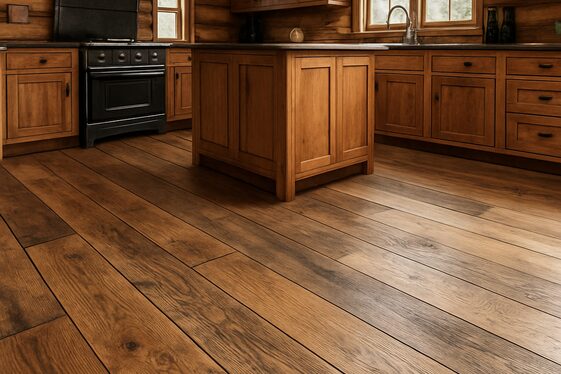
Textured flooring such as wide plank hardwood, stone tiles, or patterned ceramics adds depth and tactile interest to cabin kitchens. Designers select surfaces that can withstand heavy foot traffic while maintaining a rustic aesthetic. The subtle variations in grain, grout, or finish help ground the space visually and make the kitchen feel more authentic and connected to natural materials.

Sarah Parker is a creative content writer with experience in crafting engaging, reader-friendly, and SEO-optimized content. She specializes in writing blog posts, website copy, social media captions, and digital marketing content across niches including lifestyle, home decor, business, and technology. Her writing style focuses on clarity, audience engagement, and search engine visibility.